Wedding Anniversary Cake Design as a Romantic Centerpiece
Wedding anniversary cake design: the moment that rewrites your love story in sugar
There’s a particular hush that falls over an anniversary celebration right before the cake is revealed. It isn’t the same as a wedding reception cake-cutting—this moment feels more intimate, more lived-in. A wedding anniversary cake design carries the weight of shared mornings, new traditions, and the quiet victories that only the two of you understand. Whether you’re hosting a dinner for two at home, gathering family for a milestone party, or recreating the romance of your original reception, the right cake becomes a centerpiece that tells your story without saying a word.
Anniversary cake designs tend to fall into two beautiful priorities: meaning and mood. Meaning shows up in details—colors that match your wedding palette, florals that echo your bouquet, a silhouette reminiscent of your original tiered cake, or a subtle nod to the year you’ve reached together. Mood is the way the cake feels in the room: romantic garden softness, modern minimal elegance, vintage charm, or a more celebratory, statement-making look for a big crowd. The good news is that you don’t have to choose one over the other; the most memorable cakes balance both.
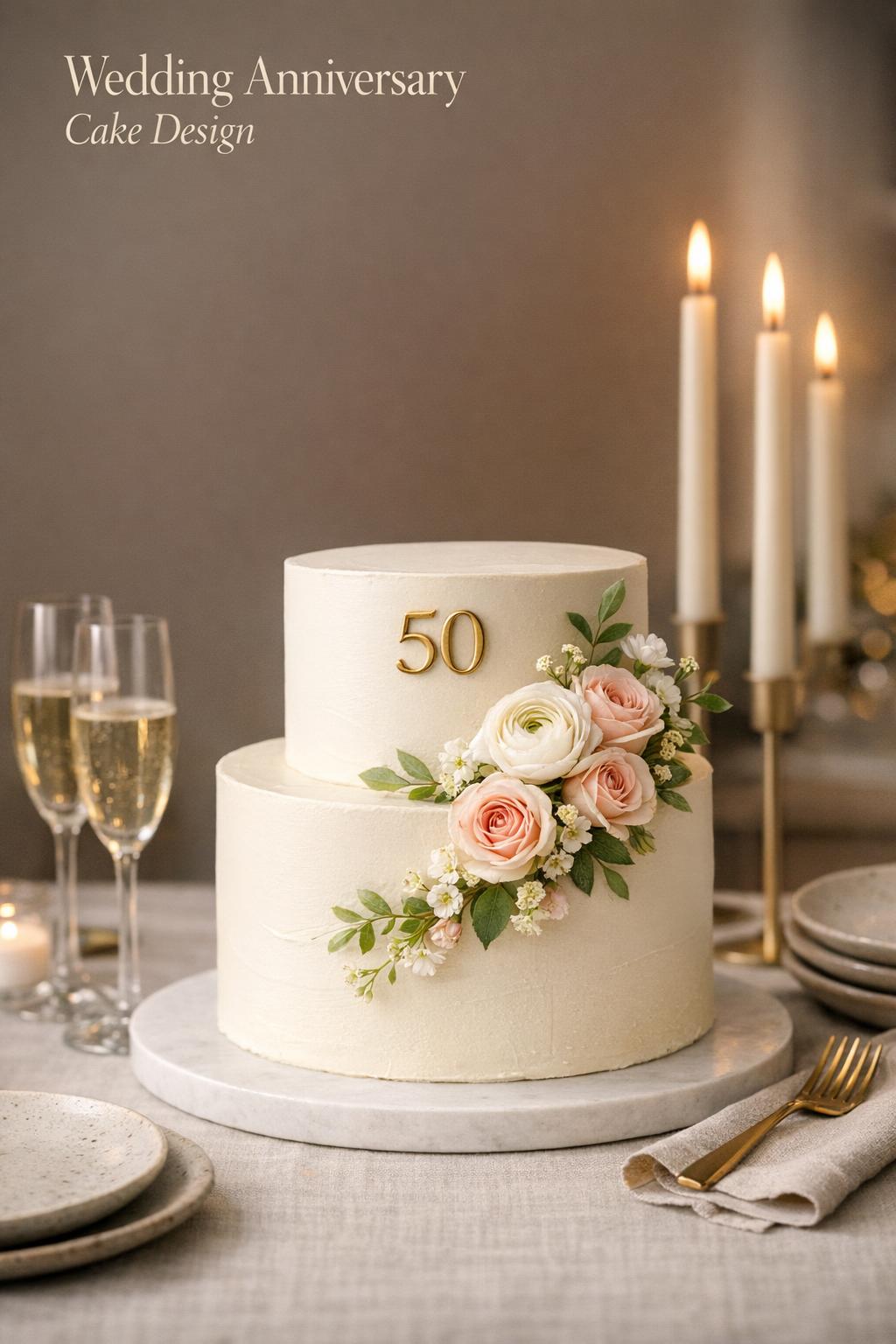
This guide approaches wedding anniversary cake design like a stylist would: by matching scale, style, and symbolism to your celebration—so the cake doesn’t just look right, it feels right.
Start with the celebration setting (because the cake should “belong” there)
Before you choose piping styles or florals, choose the scene. A cake that looks breathtaking in a bright reception venue might feel oversized at a candlelit restaurant dinner. The most successful anniversary cake designs start with the same question: where will the cake live for the evening, and what role do you want it to play?
Turn wedding inspiration into a plan you can actually follow.
Zarellea brings your guest list, budget, vendors, and day-of details into one shared space — so no beautiful idea gets lost in the shuffle.
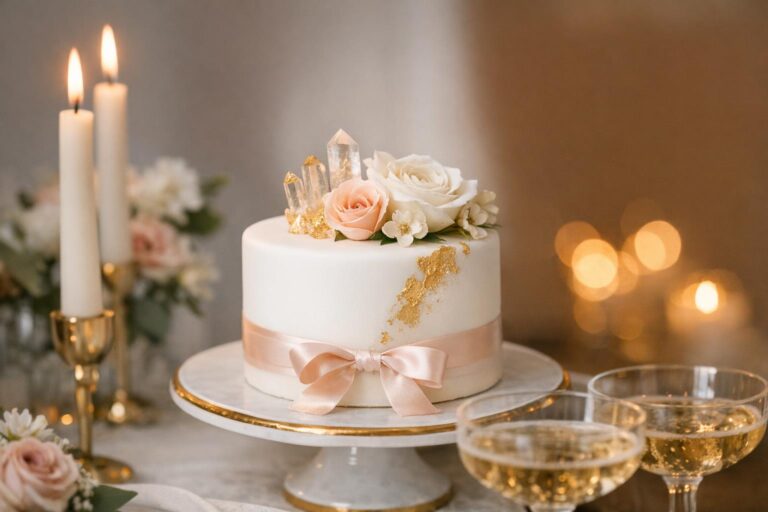
Think of the cake as part décor, part ritual. If the cake table is a focal point, you can go more sculptural—taller tiers, bolder floral placements, or a more dramatic finish. If the cake is meant to be an intimate finale, a smaller cake with refined details (smooth frosting, delicate floral accents, elegant writing) often feels more luxurious than something large.
- At-home dinner: a petite cake with flawless finish, soft florals, or a minimalist design that photographs beautifully on a small table
- Backyard celebration: floral cake design that leans garden-romantic; organic placements and lighter, airy styling tend to feel natural outdoors
- Restaurant/private dining: clean-lined, modern anniversary cake designs that hold up under dim lighting and look chic on a compact cake stand
- Banquet hall or larger venue: a 2 teir wedding cake or taller tiered option to match the scale of the room and the guest list
When you begin with the setting, decisions get easier. Size, silhouette, and even color choices become practical—because they’re responding to a real environment, not just an inspiration photo.
Choose your “design anchor”: one idea that leads everything else
Most couples get overwhelmed because they try to make the cake do everything: match the theme, incorporate florals, add a special message, honor a milestone, and look completely unique. A calmer approach is to select one design anchor—the single element that defines the cake—then let everything else support it.
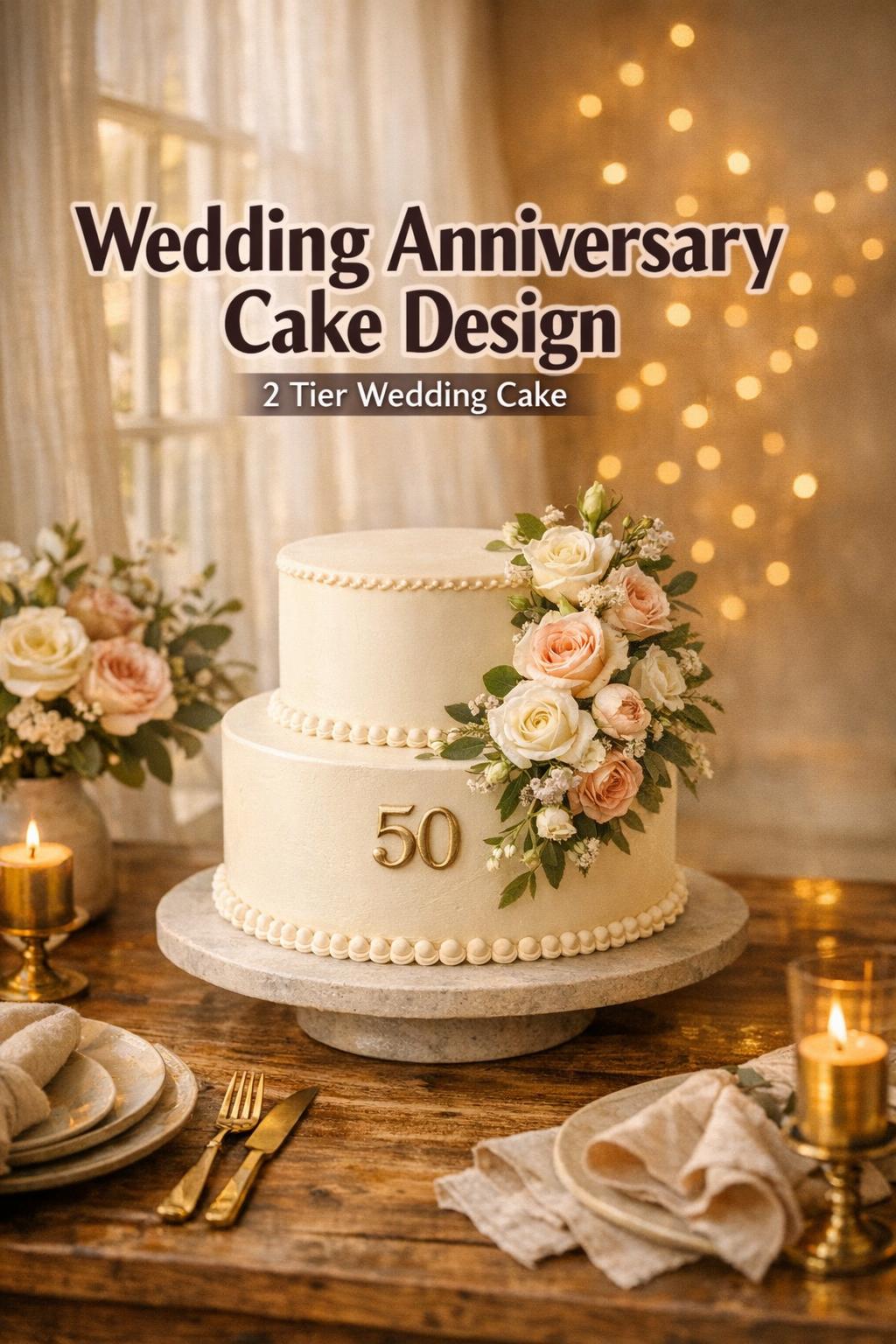
A design anchor could be florals, a specific frosting finish, a silhouette (like a 2 teir wedding cake), or a color moment. Once you choose the anchor, you can keep secondary details restrained, which is what makes the final design look intentional rather than crowded.
Anchor idea: floral cake design as the centerpiece
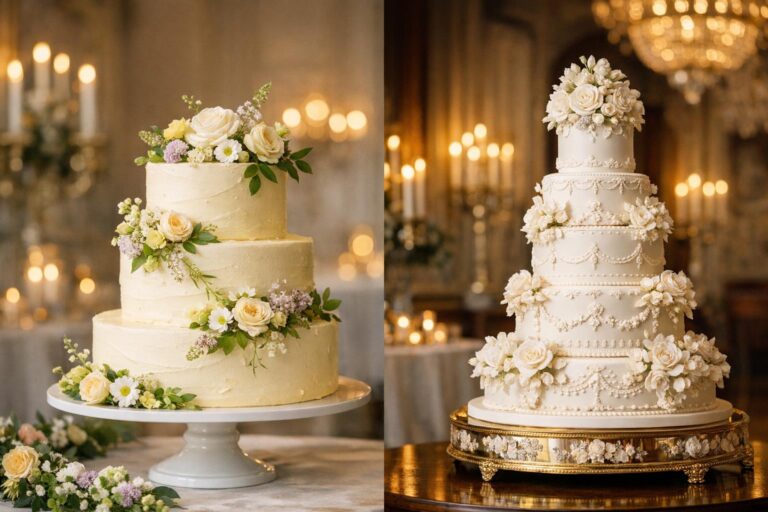
A floral cake design is timeless for a reason: it immediately signals romance and celebration. It can feel soft and traditional, or modern and editorial, depending on placement and restraint. For anniversaries, florals also hold emotional meaning—you can mirror the feeling of your original bouquet without duplicating it exactly.
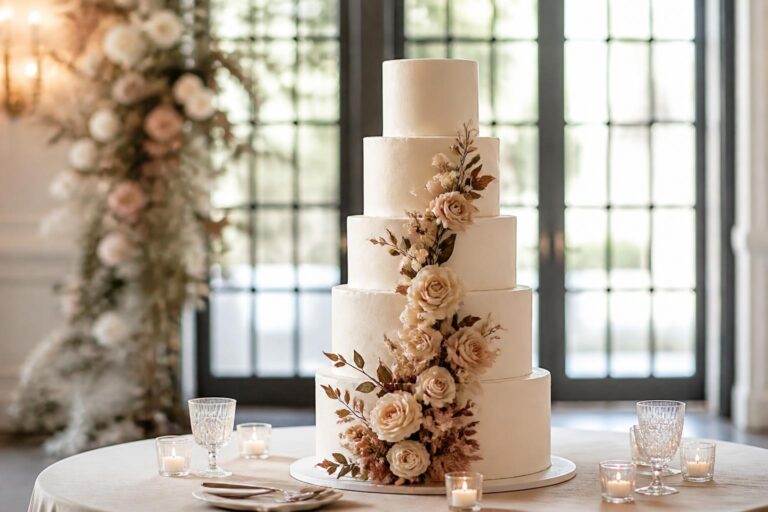
For a refined look, keep florals concentrated in one “movement,” like a cascade from top to side, or a crescent around the base of a tier. For a more playful garden mood, you can spread florals more evenly, but still aim for balance so the cake doesn’t feel visually heavy.
Anchor idea: a 2 teir wedding cake silhouette for elegant simplicity
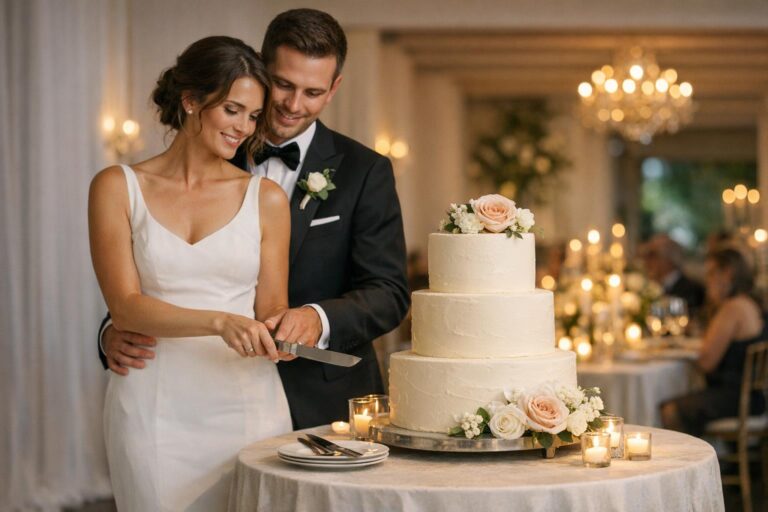
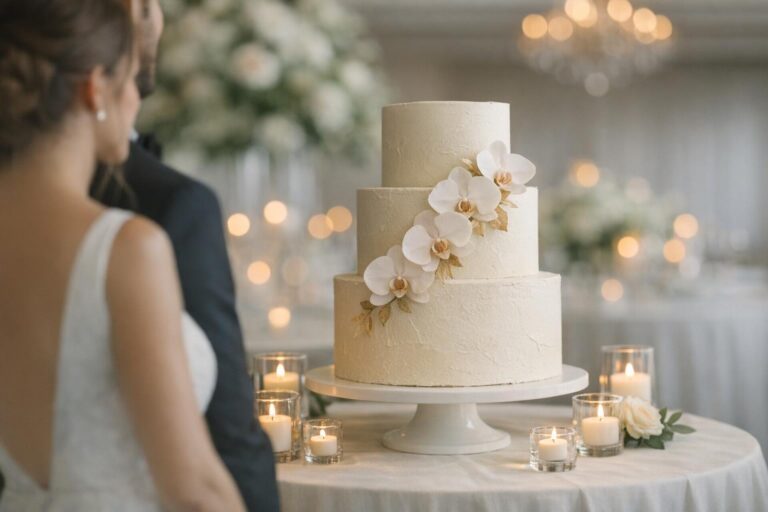
A 2 teir wedding cake is one of the most flattering choices for an anniversary celebration. It reads “event,” not “afterthought,” yet it’s still manageable in scale for many gatherings. The silhouette also photographs beautifully: two tiers create height and presence without requiring an elaborate multi-tier structure.
This style works especially well when you want the cake to feel like a nod to the wedding day—without recreating it exactly. Add a minimal floral accent, a smooth finish, or a simple message, and you have a wedding anniversary cake that feels elevated and personal.
Anchor idea: a message-forward cake that speaks for you
Sometimes the most powerful design element is the simplest: words. A short message, your wedding date, or an anniversary year marker can turn a clean cake into something deeply personal. If you go message-forward, keep the rest of the design quiet—smooth sides, restrained borders, and minimal florals—so the message remains the focal point.
Romantic styles that translate beautifully into anniversary cake designs
Anniversary cake designs shine when they mirror the emotional tone of the celebration. Below are romantic style directions that work across different venues and guest counts, with notes on when each one feels most natural.
Garden romance: soft texture, gentle florals, and a “just picked” feel
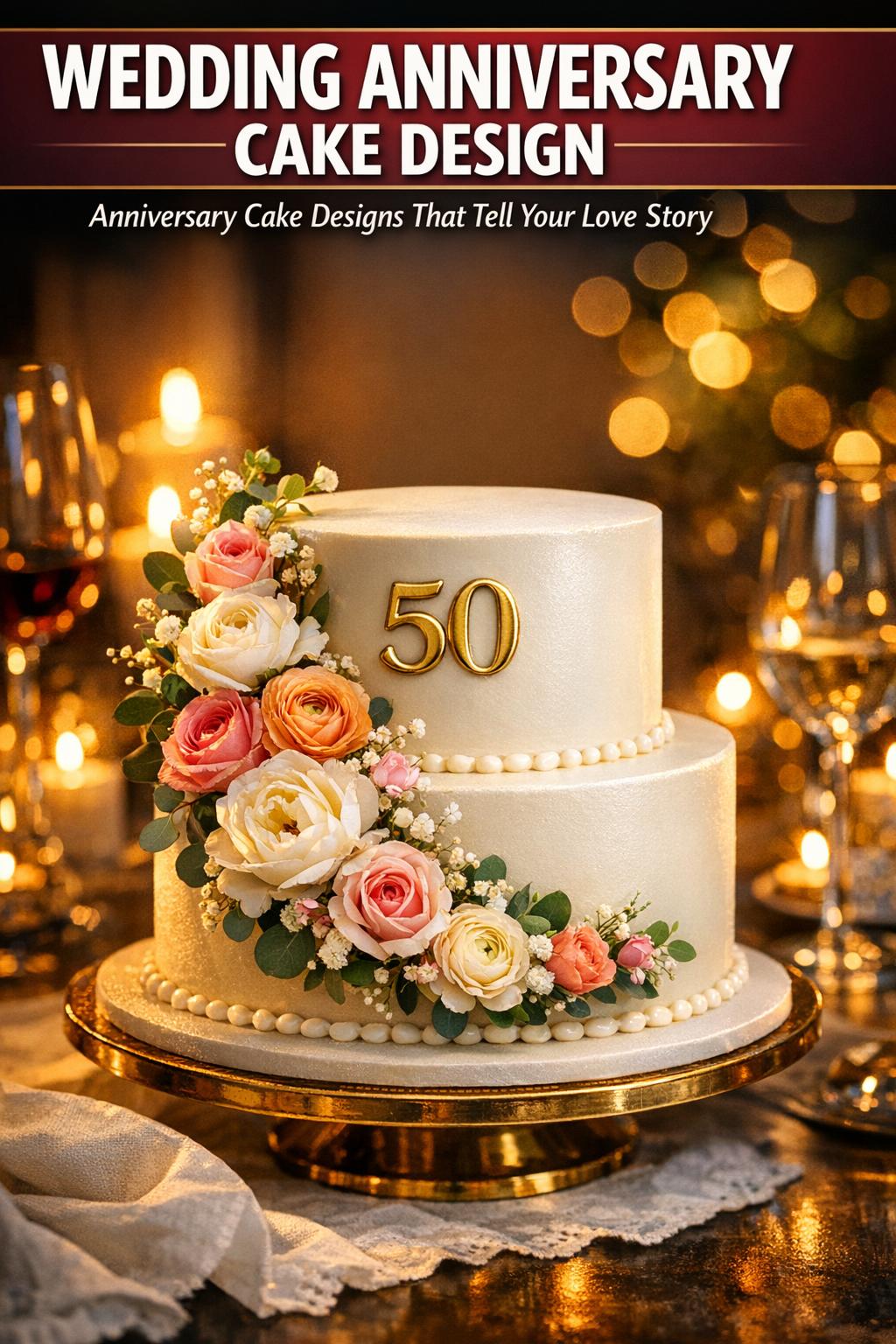
If your anniversary includes outdoor light—backyard strings of bulbs, a patio dinner at sunset, or a venue with greenery—garden romance looks effortless and meaningful. Floral cake design is the obvious star here, but the key is keeping it believable: florals that feel airy and placed with intention rather than covering every inch.
This style pairs especially well with a 2 teir wedding cake because the tiers provide a clean backdrop for florals to shine without needing extra embellishment.
Modern minimal: clean lines, quiet luxury, and a polished finish
Modern minimal anniversary cake designs focus on form: crisp edges, smooth frosting, and carefully chosen accents. The romance here isn’t frilly—it’s confident. This style fits restaurant celebrations, city venues, and couples who want the cake to look sophisticated in photos without leaning heavily into tradition.
Minimal doesn’t mean plain. One precise floral placement, a subtle message, or a restrained border can feel incredibly special when the finish is immaculate.
Vintage-inspired: delicate details with heirloom energy
Vintage-style anniversary cake designs often feel like they belong in a romantic family album: intricate piping, soft borders, and a gentle, nostalgic presence. This direction suits celebrations that include older relatives, family toasts, and a sense of tradition—especially for milestone anniversaries.
To keep vintage from feeling too busy, choose one or two detail types—like borders plus a small floral accent—rather than layering every decorative technique at once.
Milestone moments: making cakes for 50th anniversary feel worthy without feeling stiff
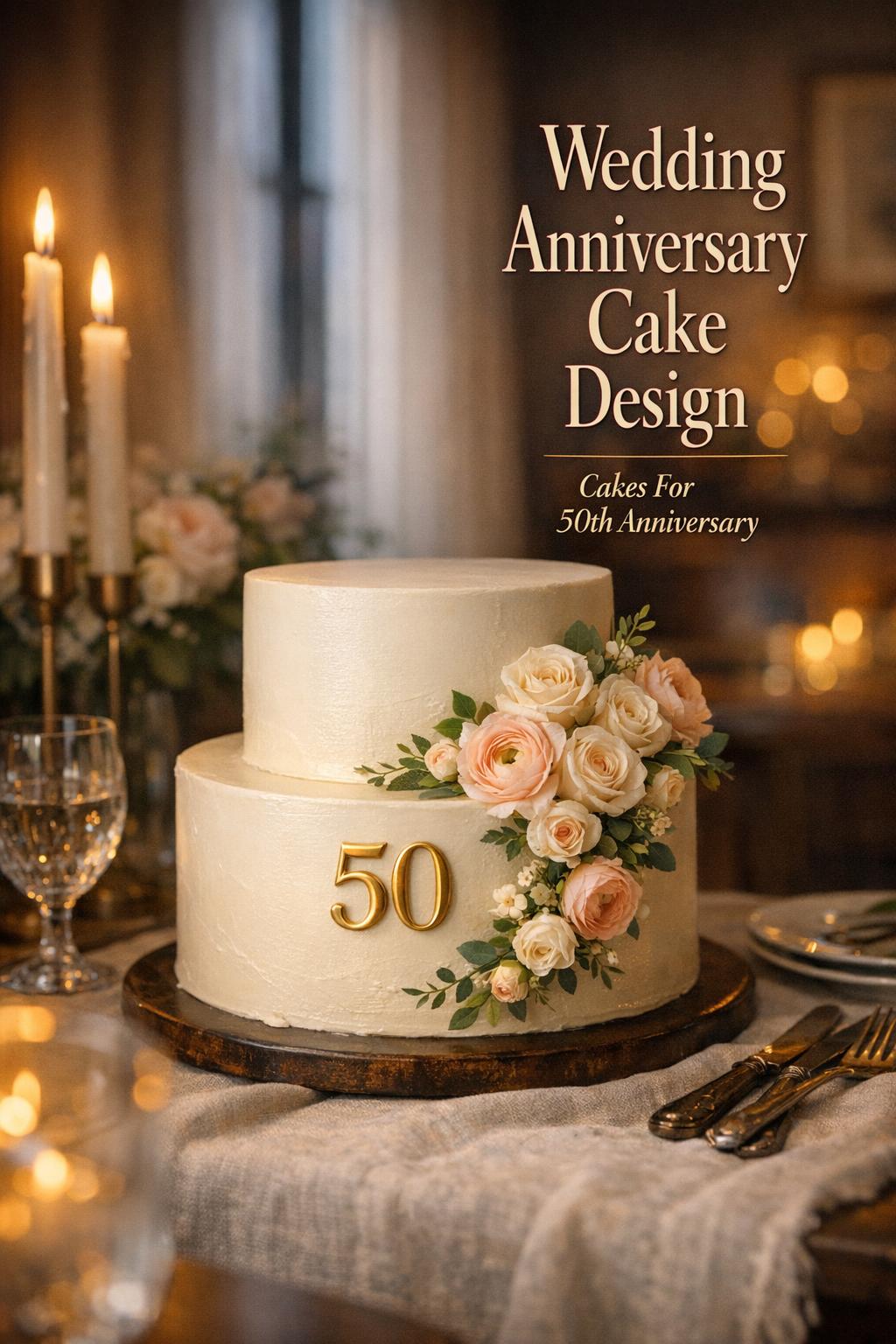
Cakes for 50th anniversary celebrations carry a special kind of reverence. The cake often becomes a multigenerational symbol—children and grandchildren gather around it, and the celebration is as much about legacy as it is about romance. That doesn’t mean the design has to be formal or old-fashioned; it simply needs to feel intentional and respectful of the moment.
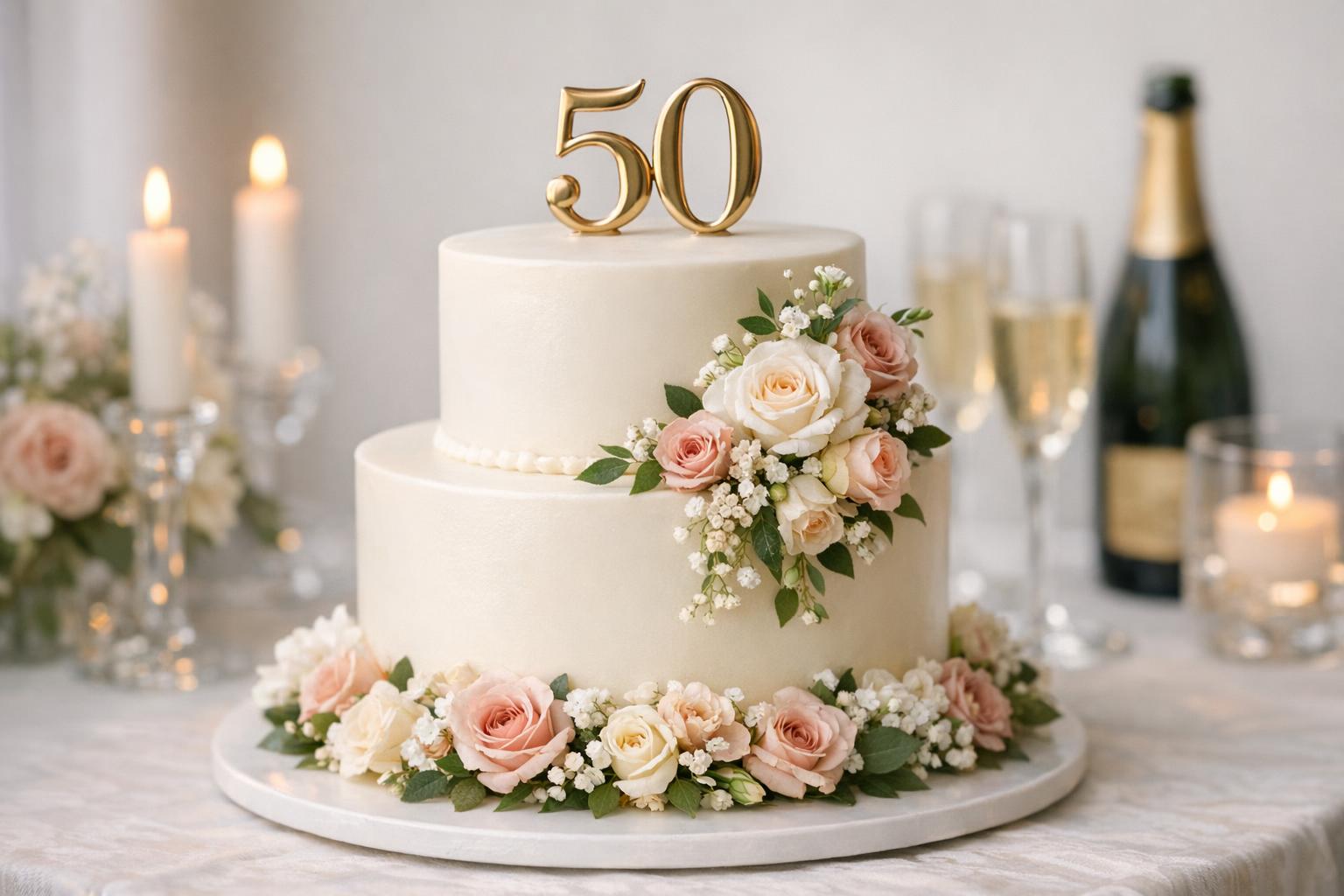
A strong approach for a 50th is to choose a classic silhouette (a 2 teir wedding cake works beautifully here) and elevate it with refined details: a flawless finish, tasteful florals, and a clear “50” marker or anniversary note. The overall impression should be celebratory and elegant, not overly trendy.
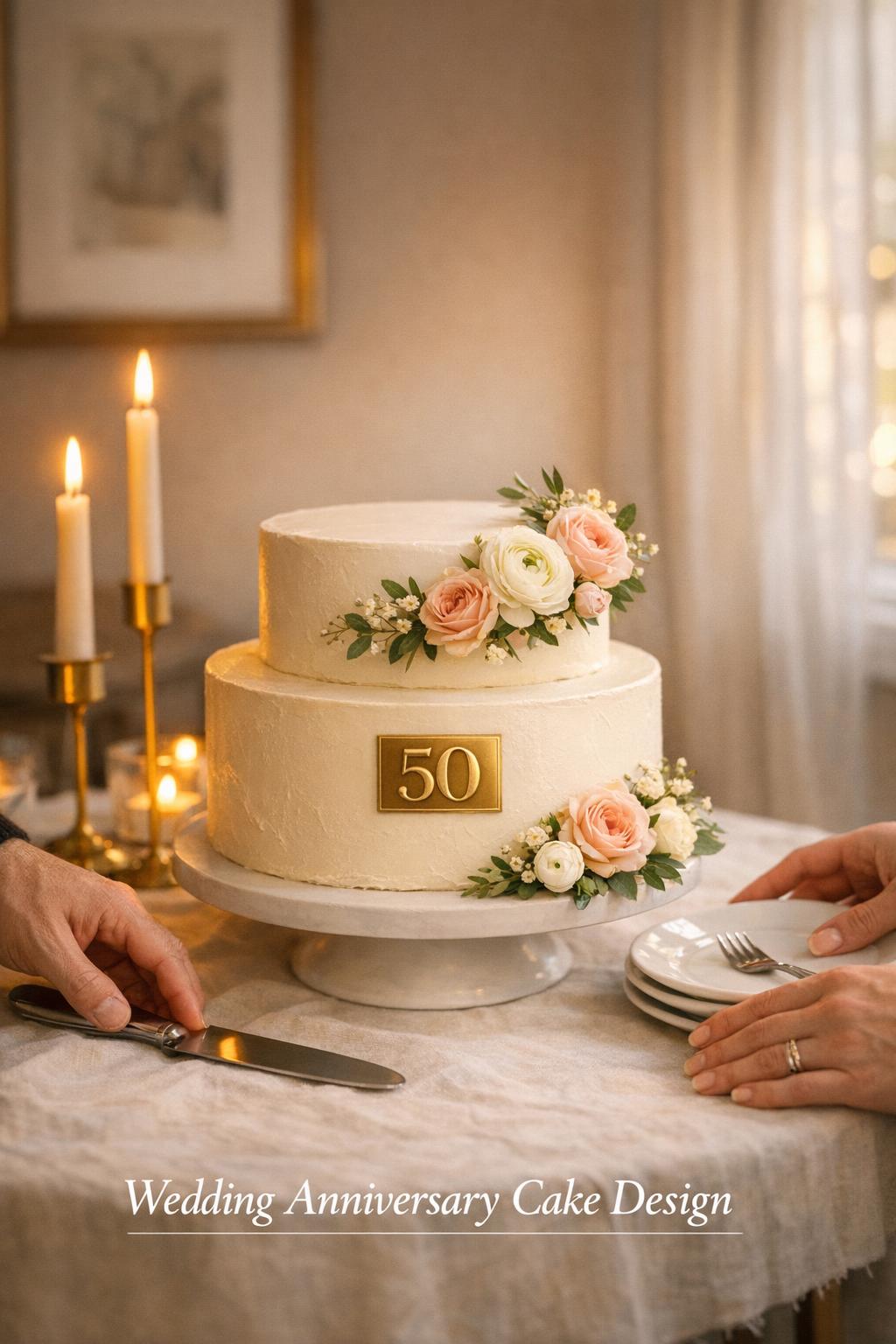
- Keep the symbolism clear: a visible anniversary year marker helps guests understand the moment instantly
- Balance tradition with freshness: classic structure with modern restraint keeps the cake from looking dated
- Make it camera-friendly: milestone cakes will be photographed constantly, so clean lines and intentional focal points matter
For many families, cakes for 50th anniversary events also serve as a conversational centerpiece. When the design includes an obvious nod to the couple’s original wedding—whether through color mood, floral feeling, or overall form—it becomes a quiet storytelling device during the party.
How to scale the cake to your guest list without sacrificing style
One of the most practical questions behind wedding anniversary cake design is size: you want enough for guests, but you don’t want an awkward amount of leftover cake or a design that looks out of place. The trick is separating “visual scale” from “serving scale.”
Visual scale is what the cake looks like on the table. Serving scale is how many portions you actually need. A 2 teir wedding cake gives you strong visual presence, and it can be paired with additional sheet cake (kept in the kitchen) if you need more servings without changing the display design.
Tip: decide whether the cake is décor-first or dessert-first
If dessert is the main event (a crowd that truly comes for cake), prioritize enough servings and a design that can be cut easily. If the cake is décor-first (a symbolic cutting, with other desserts available), prioritize a pristine exterior and choose a size that feels proportional to your setup.
This single decision often determines whether you should go with a taller, more dramatic look or a smaller, more detailed wedding anniversary cake that feels like a jewel on the table.
Design details that make anniversary cake designs look intentional in photos
Anniversary celebrations are photographed differently than weddings. The cake often appears in tighter frames—close-ups of hands cutting, couples leaning in, family grouped behind. That means small design choices matter more than you’d expect.
When I’m guiding couples through anniversary cake designs, I focus on three photo-driven priorities: clarity of focal point, clean edges, and controlled contrast. You don’t need an elaborate concept; you need a design that reads beautifully in both wide and close shots.
Focal point: where should the eye land first?
Every successful wedding anniversary cake has a “first look” moment: a floral arrangement, a message, a year marker, or a striking finish. Without a focal point, even a pretty cake can look visually flat in photos. Choose one main feature, then keep the rest supportive.
Clean structure: the quiet difference between homemade and polished
Even if your cake is designed to feel rustic or romantic, structure still matters. Smooth sides, even tiers, and neat borders create a sense of craftsmanship. If you’re ordering a cake, ask for a clean, consistent finish; if you’re making it, prioritize sharp edges and tidy detailing.
Controlled contrast: make details visible, not chaotic
Contrast helps details read in photos. A pale cake with pale florals can be stunning in person but disappear on camera. If your florals and base color are close, consider a subtle contrast: slightly deeper florals, a defined message, or a gentle border that frames the tiers.
Floral cake design, thoughtfully: how to keep it romantic instead of overwhelming
Florals can elevate a cake instantly, but they can also take over if they aren’t edited. The most romantic floral cake design feels like it’s in conversation with the cake—enhancing the silhouette rather than hiding it.
A practical way to “edit” florals is to define a shape before placement: a cascade, a crescent, a top cluster, or a base meadow. Once you choose a shape, keep it consistent so the floral placement looks intentional from every angle.
- Cascade: dramatic and celebratory, best for larger gatherings or milestone moments
- Crescent: modern-romantic, flattering on a 2 teir wedding cake
- Top cluster: elegant and simple, ideal for dinners and intimate parties
- Base meadow: charming and garden-forward, especially lovely outdoors
Tip: plan the floral “weight” to match the cake’s silhouette
Heavier floral placement near the base can visually “ground” the cake, while florals higher up draw the eye upward and make a smaller cake feel taller. If your cake is short or petite, top-heavy florals can feel unbalanced; if your cake is tall, base-only florals can sometimes look like an afterthought. Matching floral weight to silhouette is a stylist’s shortcut to elegance.
When a 2 teir wedding cake is the best anniversary decision (and when it isn’t)
A 2 teir wedding cake is often the sweet spot for wedding anniversary cake celebrations: it’s classic, it’s visually significant, and it can be styled for almost any mood. But it isn’t always the right choice, and knowing that upfront saves time and stress.
It’s ideal when you want the cake to feel like a true event
If your anniversary includes a guest list, a toast, and a planned cake-cutting moment, two tiers make the cake look “occasion-worthy.” It also gives you design flexibility: you can keep one tier clean and use the other for florals or messaging.
It may not be ideal when the evening is very intimate or very casual
For a quiet dinner for two, two tiers can feel like more cake than you want and more formality than the moment needs. In those cases, a smaller wedding anniversary cake with immaculate finish and a simple floral accent often feels more aligned with the mood. The goal isn’t to go bigger—it’s to go more meaningful.
Personalizing a wedding anniversary cake without turning it into a scrapbook
The most touching anniversary cakes include personal details, but they do it with restraint. Too many references can make the design look busy, and the emotion gets lost. A better approach is to choose one or two personal elements and let them shine.
For example, you might keep the cake minimal and add a short message that echoes your vows. Or you might choose a floral cake design that reflects the mood of your wedding flowers rather than copying the exact arrangement. Another option is to incorporate your anniversary year marker—especially for milestone celebrations and cakes for 50th anniversary gatherings, where guests appreciate a clear visual cue.
Tip: choose meaning that guests can understand at a glance
Not every personal detail reads in a room full of people. A private symbol might be deeply important, but it may not translate visually. If your cake is part of a larger celebration, include at least one element that communicates immediately—like the anniversary year, your names, or a simple romantic message—then keep quieter symbolism for small touches only you will notice.
Common design missteps (and how to avoid them with calm, practical choices)
Even couples with a strong sense of style can run into predictable pitfalls when planning anniversary cake designs. These missteps are rarely about taste—they’re about trying to make too many decisions at once.
- Choosing details before choosing the vibe: decide “garden romantic” or “modern minimal” first, then pick florals, borders, and messaging that match
- Over-decorating a small cake: petite cakes look most expensive when details are restrained and precise
- No focal point: choose one hero feature (florals, message, year marker, or finish)
- Ignoring the table setup: your cake stand, linens, and lighting will affect how the cake reads in photos
When in doubt, return to your design anchor. A wedding anniversary cake design with one clear story always feels more luxurious than a cake with many competing ideas.
Tips for ordering your wedding anniversary cake with confidence
Ordering a wedding anniversary cake is easiest when you translate inspiration into decisions a baker can execute clearly: size, silhouette, finish, and a few defining details. If you’re considering a 2 teir wedding cake, specify how you want the tiers to look together—clean and identical, or subtly differentiated with floral movement or messaging.
Tip: describe the feeling, then the features
Start with mood words—romantic, modern, garden, classic—then follow with the concrete features: floral placement shape, message style, and any anniversary year marker. This keeps the design cohesive and prevents a mix of details that don’t belong together.
Tip: plan for cutting and serving—especially at milestone parties
For larger celebrations, ask how the cake will be cut and served so the design still looks beautiful during the moment. For cakes for 50th anniversary events, the cake-cutting is often a key photo opportunity with family gathered close, so a design that holds its shape and looks neat as it’s sliced matters more than you might expect.
Anniversary cake designs that feel right across different celebration moods
To help you visualize your options, here are a few real-life style scenarios—each one grounded in a distinct mood. Think of them as mini “style briefs” you can adapt.
The intimate vow-renewal dinner
You’re celebrating with a handful of people, candlelight, and a quiet toast. A smaller wedding anniversary cake with a clean finish, a simple message, and a single floral accent feels romantic without commanding the room. The goal is elegance that doesn’t overwhelm the intimacy.
The backyard garden party
The setting is casual but meaningful—string lights, greenery, and family laughter. A floral cake design with an organic crescent of florals feels at home here, especially on a 2 teir wedding cake that gives the cake table a celebratory silhouette. Keep the palette soft and the placement airy so it feels natural in outdoor light.
The milestone family celebration (including cakes for 50th anniversary)
There’s a larger guest list, planned speeches, and lots of photographs. This is where structured anniversary cake designs shine: a two-tier display cake with refined details, a clear anniversary year marker, and tasteful florals. The cake should feel timeless and camera-ready—something that looks as special in person as it does in family photos years from now.
Bringing it all together: a calm checklist for choosing your wedding anniversary cake
Once you’ve explored styles, bring your decision back to a few grounded choices. This keeps you from second-guessing and helps you move forward with confidence.
- Setting: where will the cake be displayed and photographed?
- Role: décor-first symbol or dessert-first centerpiece?
- Silhouette: petite cake or 2 teir wedding cake for added presence?
- Design anchor: florals, message, year marker, or finish?
- Personal meaning: one or two details that reflect your story
When these pieces align, wedding anniversary cake design stops feeling like a decision you have to get “perfect,” and starts feeling like a celebration you get to create—one that honors where you began and where you are now.
FAQ
What makes a wedding anniversary cake design different from a wedding cake design?
A wedding anniversary cake design usually prioritizes personal symbolism and a mood that fits the specific celebration setting (like an intimate dinner or a family party), whereas wedding cakes are typically designed for a larger reception scale; anniversary cake designs often look best when they use one clear “design anchor” such as florals, a message, or an anniversary year marker.
Is a 2 teir wedding cake a good idea for an anniversary party?
Yes, a 2 teir wedding cake is a popular anniversary choice because it reads as celebratory and photographs beautifully, but it’s best when you want a true cake-cutting moment and enough visual presence for guests; for very small or casual dinners, a smaller cake with refined details can feel more appropriate.
How do I choose between floral cake design and a more modern minimal look?
Choose floral cake design when your celebration leans romantic, garden-inspired, or outdoors, and choose modern minimal when you want quiet luxury, clean lines, and a polished look that suits restaurants or contemporary spaces; either style works best when you commit to it and keep secondary details restrained.
What are the best anniversary cake designs for a milestone like a 50th?
Cakes for 50th anniversary celebrations tend to look most timeless when they combine a classic silhouette (often a two-tier display), refined finishing, tasteful florals, and a clear “50” marker so the significance reads instantly in the room and in photos.
How can I personalize a wedding anniversary cake without making it look too busy?
Pick one or two personal elements—such as a short message and a subtle floral nod—and let them stand out against a clean finish; anniversary cake designs feel most elevated when the personalization is edited and the cake still has a single focal point.
How do I make sure my anniversary cake looks good in photos?
Prioritize a clean structure, a clear focal point (like a floral placement shape, message, or year marker), and enough contrast for details to read in close-up shots; these choices keep the wedding anniversary cake design from looking flat under different lighting.
Can floral cake design work for a modern anniversary celebration?
Yes—florals can look modern when they’re placed with restraint and intention, such as a crescent or a single cluster, especially on a clean, smooth cake; the key is avoiding overly scattered placement so the design feels editorial rather than chaotic.
What’s the simplest way to decide on a wedding anniversary cake?
Decide the setting and the role of the cake first, then choose a silhouette (like a 2 teir wedding cake for presence) and one design anchor such as florals or a message; this sequence keeps the decision grounded and results in anniversary cake designs that feel cohesive.