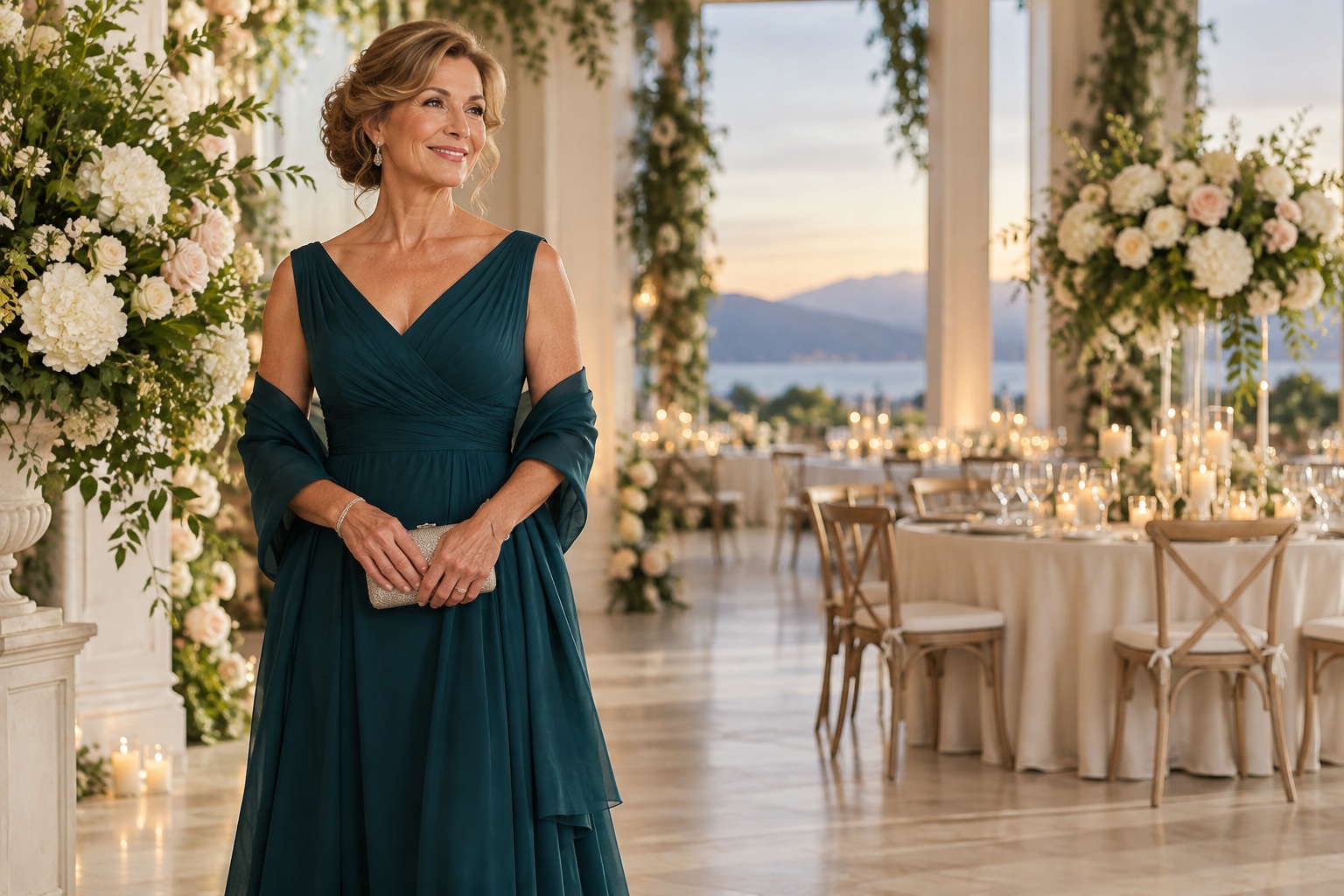
Mother of the Bride Outfits: Modern Ideas for Every Wedding
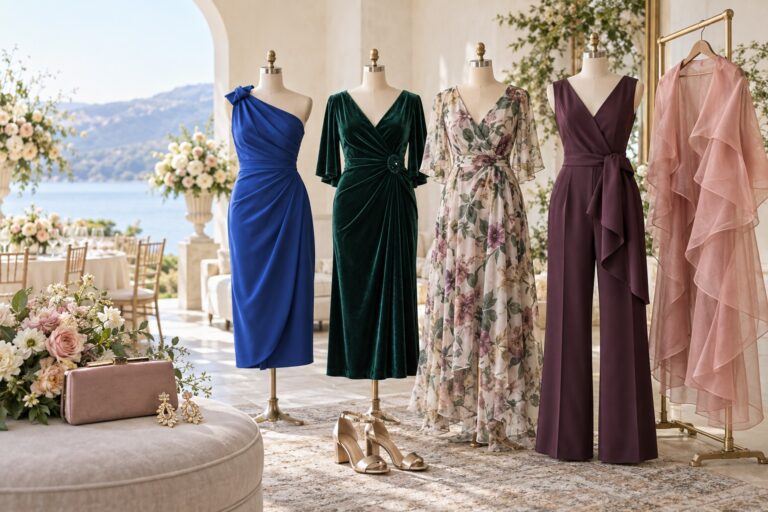
Mother of the bride outfits are having a useful reset. The old expectation of one matching skirt suit, one formal hat, and one narrowly defined idea of elegance no longer describes how many women want to dress for a wedding. Today, the strongest look might be a column dress, a tailored pantsuit, a polished jumpsuit, a flowing midi, or a two-piece set that can be worn again.
That wider choice is exciting, but it can also make shopping feel less clear. The right outfit still has to respect the invitation, suit the venue, work in photographs, coordinate with the wedding party, and feel comfortable through a long day. This guide explains what is changing in mother of the bride style, how to choose the right format, and how to make a modern outfit look unmistakably wedding-ready without losing your own point of view.
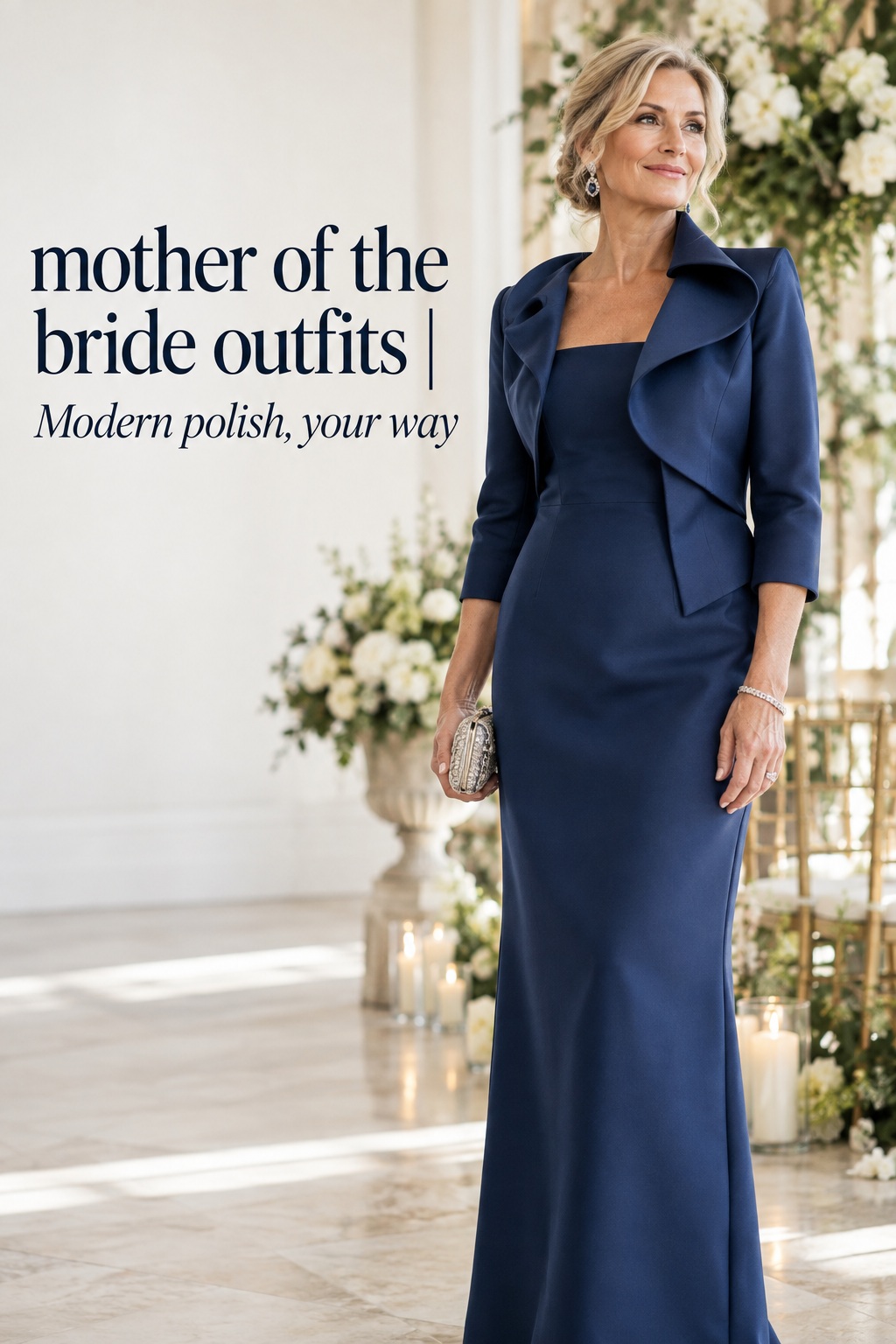
What is changing in mother of the bride outfits
The biggest change is not a single silhouette or color. It is the move from a prescribed uniform toward a considered level of polish. A mother of the bride outfit can look current in several different ways, as long as it belongs to the wedding and to the woman wearing it. Recent outfit guides from John Lewis and Bridebook both show the category expanding beyond traditional skirt suits to include trouser suits, jumpsuits, co-ords, wrap dresses, shifts, midis, and maxis.
The dress is still classic, but it is less predictable
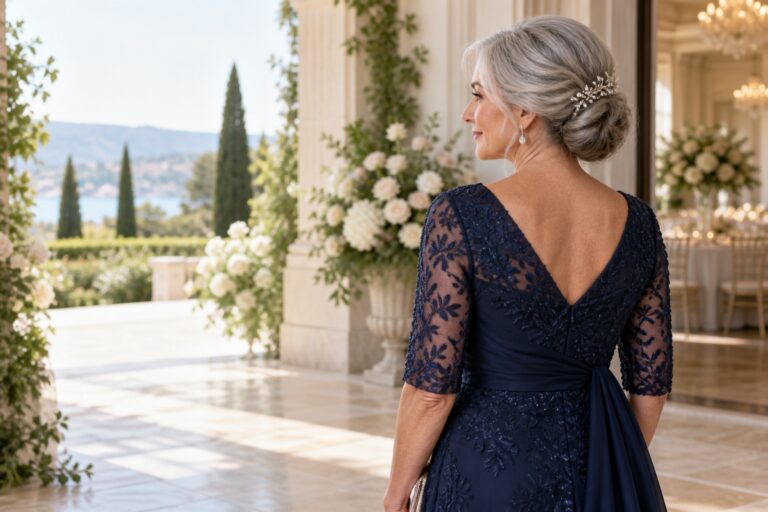
A dress remains an excellent choice when you want a complete look with minimal styling decisions. The difference is that you do not have to choose a heavily embellished gown or a dated jacket dress to look appropriately dressed. A clean column, an elegant A-line, a wrap midi, a softly draped maxi, or a tea-length dress can all work when the fabric and finish suit the occasion.
Turn wedding inspiration into a plan you can actually follow.
Zarellea brings your guest list, budget, vendors, and day-of details into one shared space — so no beautiful idea gets lost in the shuffle.
For a formal evening, satin, crepe, lace, velvet, and controlled beadwork can create depth without making the outfit feel costume-like. For daytime, lighter lace, chiffon, matte crepe, or a refined print may feel more natural. Macy’s guide makes the useful point that the outfit needs to photograph beautifully while allowing movement from ceremony to reception. That is a better test than asking whether a dress looks traditional enough.
Pants and jumpsuits now belong in the main conversation
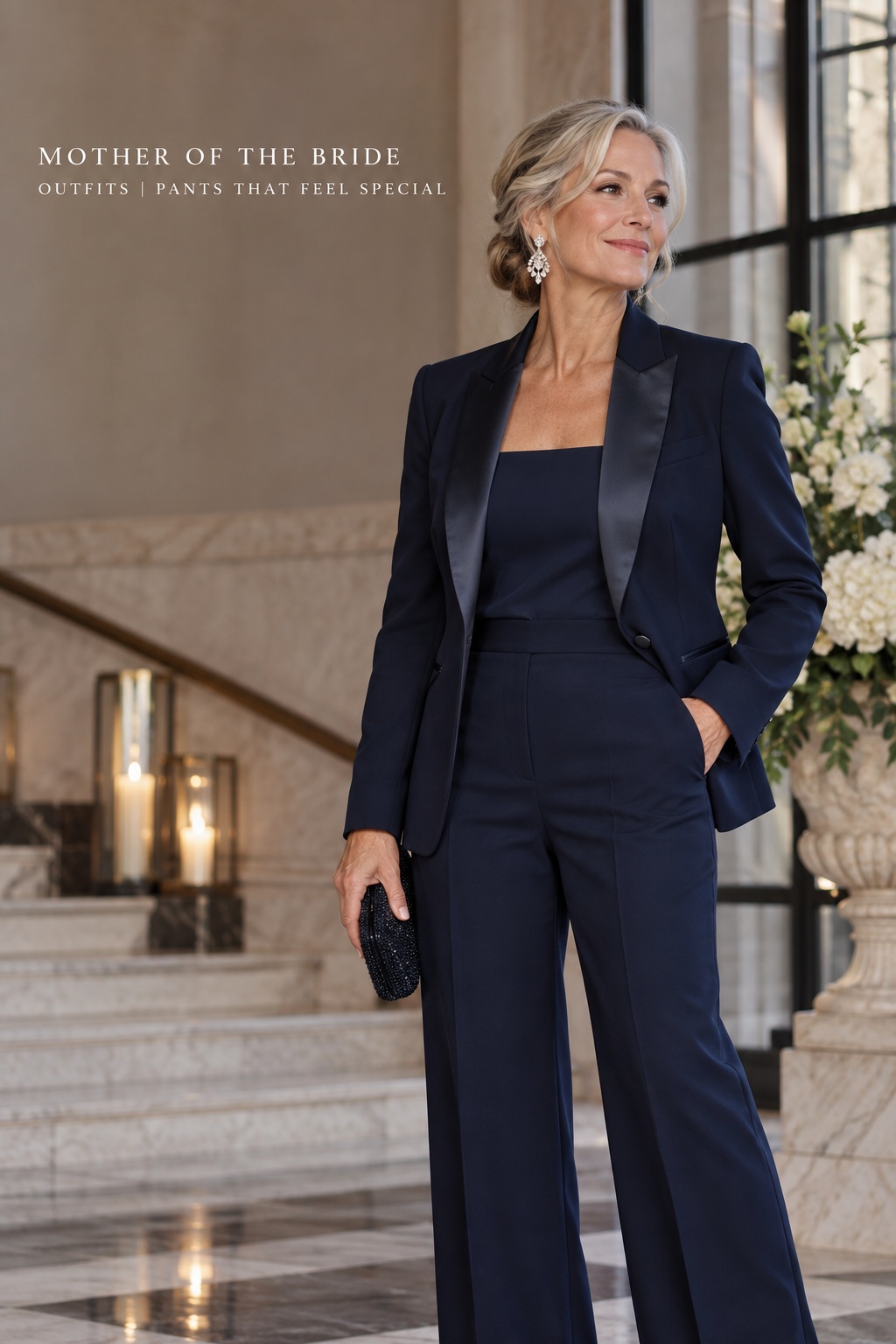
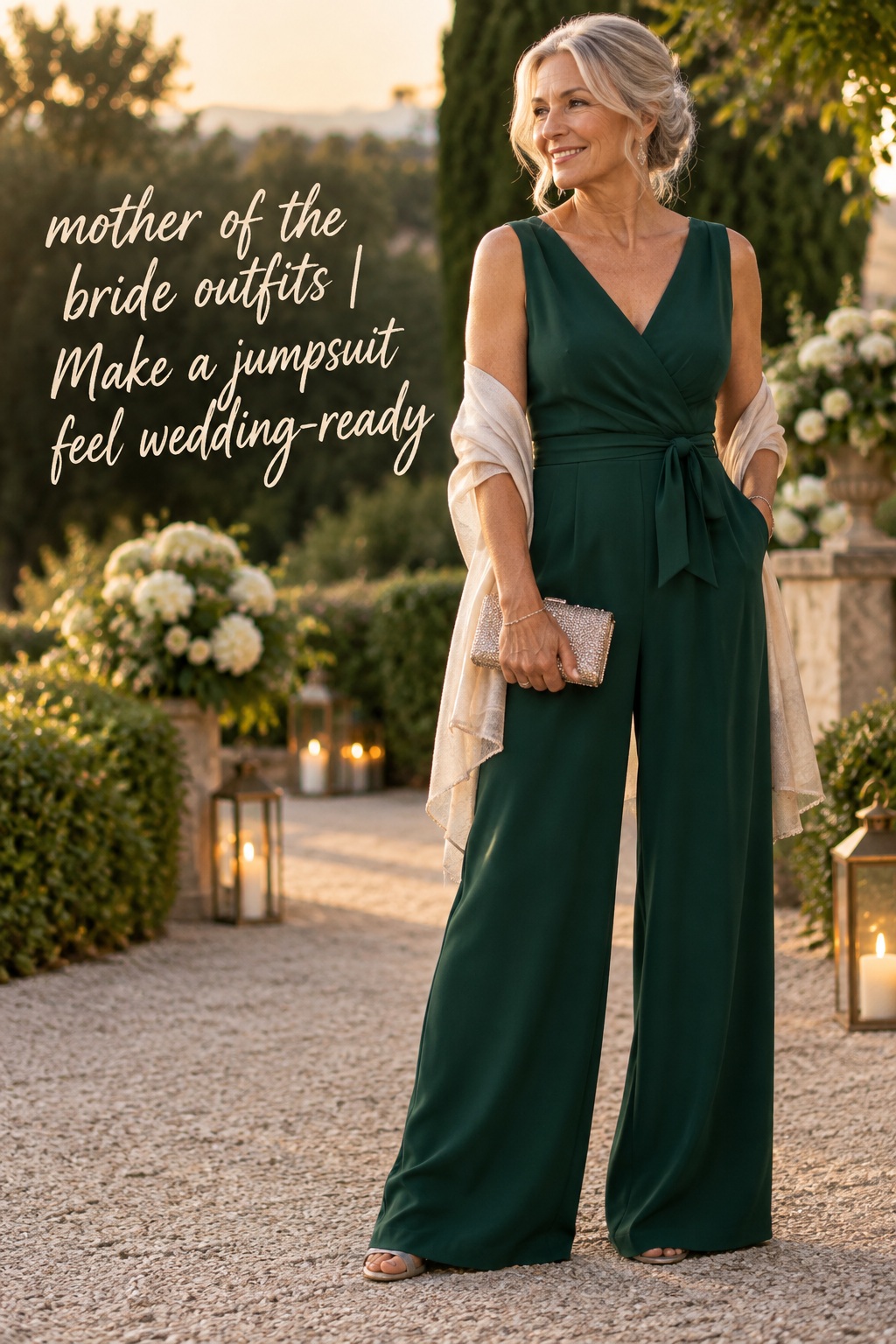
If you feel most like yourself in trousers, start there. A well-cut pantsuit can look formal, feminine, and special when the fabric has enough drape or sheen and the styling is intentional. A jumpsuit can provide the ease of a one-piece outfit while giving you a clean, modern silhouette. Guides from Mondressy and Jovani both frame jumpsuits as practical options for walking, sitting, greeting guests, and dancing, not as compromises for women who dislike dresses.
The key is to separate occasionwear tailoring from office tailoring. A satin lapel, a fluid wide leg, a beaded neckline, a sculptural sleeve, a metallic shoe, or a beautiful wrap can shift the message. A plain black blazer with a work shirt and everyday pump may look professional, but a coordinated jumpsuit with statement earrings and a small evening bag will read as celebratory.
Coordination is becoming more personal
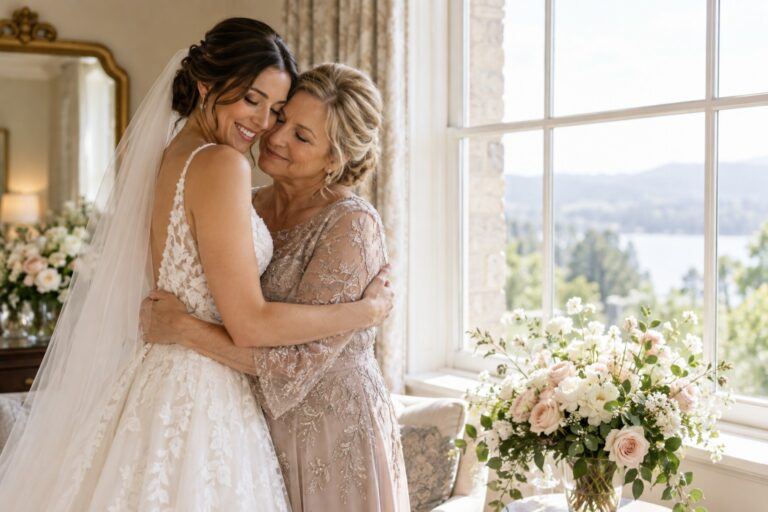
There is no need for both mothers to wear identical outfits, and they do not have to match the bridesmaids exactly. The useful middle ground is visual balance. You can coordinate through depth of color, formality, texture, or one shared accent. The US etiquette guidance from The Knot describes coordination as flexible and collaborative, with the couple’s preferences part of the conversation and each mother still able to reflect her own style.
- Match the level of formality, not the exact garment.
- Choose a color that sits comfortably beside the bridesmaids’ palette.
- Share a photo with the couple before purchasing if the wedding has a strong visual plan.
- Ask the other mother about length or general polish so the family photographs feel balanced.
- Keep the final outfit recognizably yours rather than treating coordination as a costume.
This change matters because the role is visible and meaningful, but visibility does not require sameness. The modern standard is intentionality: you look as though you understood the occasion, prepared thoughtfully, and chose something that allows you to participate fully.
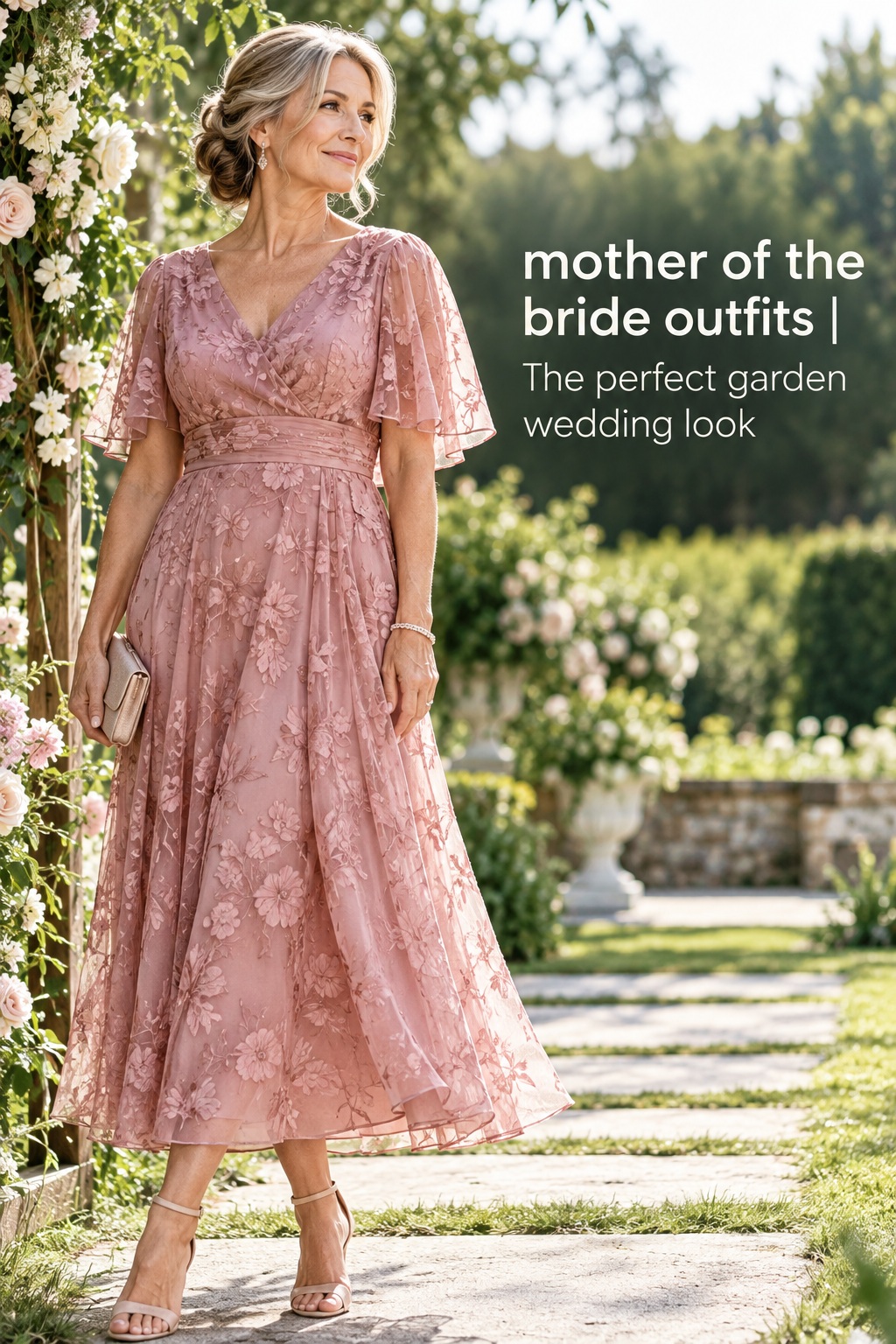
Choose the outfit format by wedding setting and dress code
Begin with the invitation, not the shopping category. “Black tie,” “formal,” “cocktail,” “semi-formal,” “garden,” and “casual” each set a different outer boundary. The venue then adds practical information about temperature, walking surfaces, stairs, wind, and how much coverage you may want. A useful outfit can satisfy both levels: it looks right in the room and behaves well in the real setting.
For black tie and formal evening weddings
Choose a floor-length gown, an elegant column, a substantial midi if the venue supports it, or a formal jumpsuit with an evening finish. The goal is length, quality, and visual presence rather than maximum sparkle. A dark jewel tone, navy, deep green, plum, rich rose, or sophisticated neutral can feel formal without competing with a white bridal gown. A formal pantsuit can work too, especially when the fabric has fluidity and the accessories clearly belong to evening.
Check the hem with the shoes you will actually wear. A dress that is beautiful while standing still may become difficult on stairs or at the reception if the length is too generous. The outfit should also allow you to sit comfortably and move your arms. For formal events, a wrap, cape, or tailored evening jacket can add coverage without changing the main silhouette.
For cocktail and semi-formal weddings
A cocktail dress, polished midi, dressy jumpsuit, or coordinated jacket and trouser set usually gives you the right flexibility. This is the moment for a defined waist, an interesting neckline, a lace sleeve, a sculptural shoulder, or a beautiful fabric. You can use accessories to decide whether the look leans daytime or evening. A structured bag and low heel keep it composed for an afternoon ceremony, while metallic sandals and stronger earrings lift the same silhouette for dinner.
Do not confuse shorter with less special. A well-tailored midi can feel more confident and modern than a floor-length dress that overwhelms the venue. Sew Mama Sew’s outfit range illustrates how tea-length chiffon, lace A-lines, floral midis, and two-piece sets can serve different versions of a celebratory dress code.
For daytime, garden, and outdoor weddings
Look for movement, breathable layers, and a hem that works with the ground under your feet. A floral midi, lightweight wrap dress, softly tailored suit, or elegant jumpsuit can feel right for a garden, vineyard, courtyard, or daytime hotel wedding. A venue matrix from Bride Atlas connects outdoor settings with lighter fabrics, tea-to-midi lengths, and softer palettes, while also noting that a beach or destination event may call for a flowier shape and practical footwear.
Outdoor does not mean informal. Keep the finish refined and choose shoes that will not sink into grass or become painful on uneven paths. A block heel, dressy flat, low wedge, or elegant sandal can be more useful than a delicate stiletto. If the ceremony is in direct sun, consider sleeves, a light jacket, or a wrap that is attractive enough to remain in photographs.
For courthouse, city, and relaxed celebrations
A city wedding gives you room to use a strong suit, a modern jumpsuit, a simple column dress, or an elevated two-piece set. For a relaxed wedding, an easy day dress can work when it is finished with intentional shoes, jewelry, and a structured bag. The important distinction is between relaxed and unfinished. The outfit should still look prepared for photographs, family greetings, and the significance of the day.
When you are unsure, choose one element that makes the look feel special. It might be a silk texture, a statement earring, a beautiful jacket, a refined print, or a color you rarely wear but genuinely love. One clear idea is often more elegant than several decorative details competing at once.
Make modern choices look unmistakably wedding-ready
A modern format can fail only when the finish sends the wrong message. The same black jumpsuit can look like eveningwear, officewear, or a dinner-party outfit depending on its fabric, fit, shoes, jewelry, and bag. Styling is what completes the translation from everyday clothing to occasionwear.
Use fabric to establish the occasion
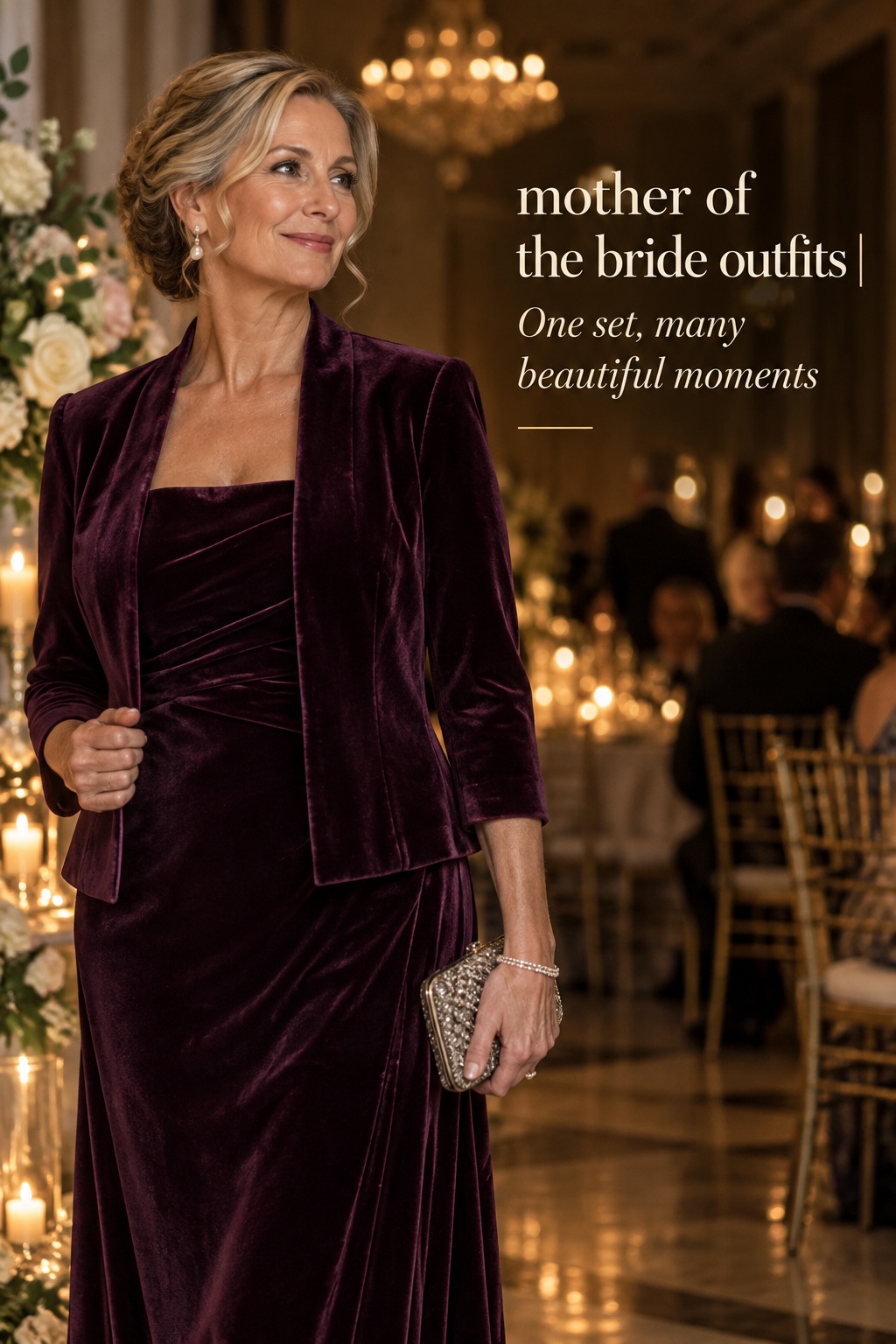
Fabric is the quiet signal people read before they notice every detail. Matte crepe can look sleek and understated. Satin catches light and feels more evening-oriented. Chiffon adds movement. Lace brings texture and romance. Velvet creates depth in cooler months. A pantsuit in fluid crepe or satin will generally feel more festive than the same cut in a stiff business suiting fabric.
You do not need a shiny fabric everywhere. One polished surface is enough: a satin blouse under a suit, a velvet jacket over a simple dress, a beaded neckline, or a silk-like clutch. If the outfit already has texture, let the accessories remain clean.
Treat tailoring as part of the design
Tailoring is especially valuable for mother of the bride outfits because the day involves sitting, walking, hugging, posing, and often helping with small practical tasks. The shoulder seam should sit correctly, the trouser hem should meet the shoe, and a jacket should close without pulling. A dress should skim rather than require constant adjustment. For petite proportions, M&S recommends paying particular attention to long lines and professional alterations, a principle that is useful for any height or body shape.
- Sit down for several minutes and check where the fabric pulls.
- Raise both arms as if greeting someone or adjusting a child’s clothing.
- Walk on the surface you expect at the venue if possible.
- Try the outfit with the bra, shapewear, hosiery, and shoes planned for the wedding.
- Photograph the front, side, and back in daylight and indoor light.
Finish a pantsuit or jumpsuit with celebration in mind
For a pants-based outfit, focus attention on the details that separate it from workwear. Try a sculptural earring, a small embellished bag, a metallic or satin shoe, a beautiful camisole, or a wrap in a contrasting texture. Jovani’s styling guidance similarly emphasizes statement accessories and evening finishes when the base is a simple jumpsuit.
Balance matters. A wide-leg jumpsuit may need a defined waist or a shorter jacket. A strong shoulder may need a simple earring. A heavily beaded top can work with a quiet trouser and clean shoe. Aim for one focal point and let the rest support it.
Build a coordinated look that still feels like you
The best mother of the bride outfit is not simply the one that photographs well in a retailer’s image. It is the one you can inhabit for the entire day. Start with how you normally dress, then move one level more polished. If you wear trousers, choose beautiful tailoring. If you prefer dresses, look for a familiar neckline in an elevated fabric. If you love color, use it confidently while checking how it sits beside the wedding palette.
Have one useful color conversation
Ask the couple about colors they would like you to avoid, colors they especially love, and the general level of formality they imagine. You do not need a rigid swatch if the wedding is relaxed, but you do need enough information to avoid an accidental clash or a shade that appears too close to bridal white. If the bridesmaids wear one strong color, consider a related tone rather than an exact match.
Black is not automatically wrong. The Knot notes that black can be acceptable, particularly for a black-tie setting, when the bride is comfortable with it and the venue supports the mood. The same principle applies to navy, red, metallics, and prints: the couple’s preference and the full styling context matter more than an isolated rule.
Choose accessories for the actual day
Shoes should be tested for the full timeline, not just admired while standing in a bedroom. A block heel, low slingback, dressy flat, or cushioned sandal can look polished and support a long day. John Lewis specifically highlights comfortable heels and dressy flats as useful options, along with a bag large enough for a phone, makeup, and tissues.
A wrap or jacket can be both practical and visual. It adds coverage for a religious ceremony, cool room, or outdoor evening and can change the shape of the outfit in photographs. Headwear is optional, but a fascinator or refined hat can make sense when it suits the venue and the wearer. Never add an accessory simply because you think the role requires it.
Use rewear value as a quality test
A two-piece set, jacket, dressy trouser, or simple column dress may serve you beyond the wedding when it is not overloaded with one-time details. M&S points out that separates can be styled individually after the event. That does not mean every choice needs to be practical or restrained. It means you can ask whether the outfit reflects your real wardrobe and whether at least one piece has a life beyond this one celebration.
Before the final purchase, take a photo in the outfit and ask three questions: Do I feel recognizable? Can I move without monitoring the clothes? Does the outfit look like it belongs to this wedding? If the answer to one is no, adjust the format, tailoring, or accessories before adding more decoration.
Sources and methodology: This guide was shaped by page-level review of ten US search results and relevant current occasionwear guidance, including Macy’s, John Lewis, The Knot, Adrianna Papell, Jovani, Mondressy, Bride Atlas, M&S, Sew Mama Sew, and Bridebook. The sources consistently point to dress-code awareness, comfort, flexible silhouettes, palette coordination, tailoring, and accessories as the strongest decision factors. Trend language is used to describe the expanding range of accepted outfit formats, not to predict a particular season.
FAQ
What should the mother of the bride wear?
Choose an outfit that matches the wedding dress code and venue, feels comfortable for a long day, and coordinates with the wedding palette without copying the bridesmaids. A dress, pantsuit, jumpsuit, jacket set, or polished two-piece can all be appropriate when the finish suits the occasion.
Can the mother of the bride wear a pantsuit or jumpsuit?
Yes. A pantsuit or jumpsuit is a strong choice when you prefer trousers or want extra freedom to walk, sit, greet guests, and dance. Choose occasionwear fabric, precise tailoring, and accessories that make the outfit feel celebratory rather than office-based.
Does the mother of the bride have to match the bridesmaids?
No. Exact matching is not required unless the couple specifically requests it. A related shade, shared level of formality, or coordinated accessory can create harmony while allowing the mother of the bride to choose a silhouette and color that feel natural.
Can the mother of the bride wear black?
Black can be appropriate, especially for an evening or black-tie wedding, but discuss it with the bride and consider the venue, season, and overall mood. If black is approved, celebratory accessories, texture, or a luminous fabric can keep the outfit from feeling too businesslike.
What colors should the mother of the bride avoid?
Start by avoiding white, ivory, and very bridal-looking pale shades unless the couple has clearly approved them. Also ask whether there are colors reserved for the wedding party or specific shades the couple would rather not see. Beyond that, choose a color that works with the venue, lighting, and your own coloring.
When should the mother of the bride buy her outfit?
Begin once the venue, date, dress code, and general wedding palette are clear. Shop early enough to allow alterations, shoe testing, accessory changes, and a backup plan if the fit is not right. The exact timeline depends on the wedding and the outfit, but last-minute purchasing limits your ability to tailor the look.
How can a mother of the bride feel comfortable and still look formal?
Start with a silhouette you can move in, then elevate it through fabric, tailoring, jewelry, shoes, and a polished bag. Test sitting, walking, reaching, and dancing in the complete outfit. Comfort is not separate from elegance; it helps the outfit stay composed because you are not constantly adjusting it.