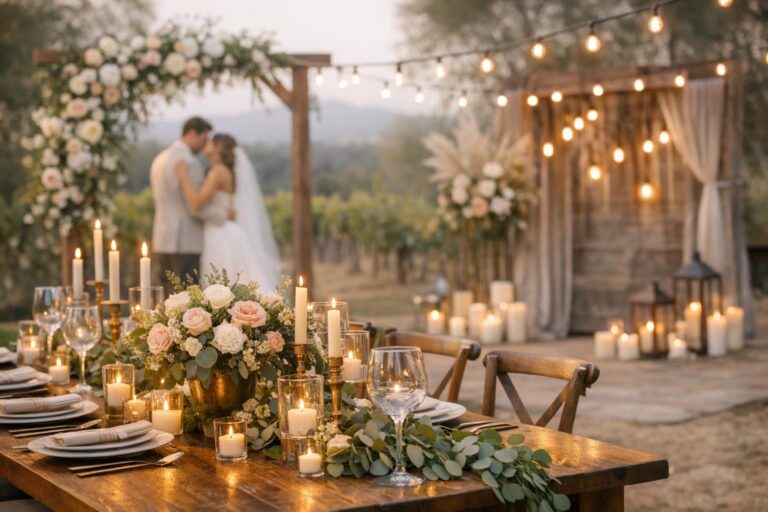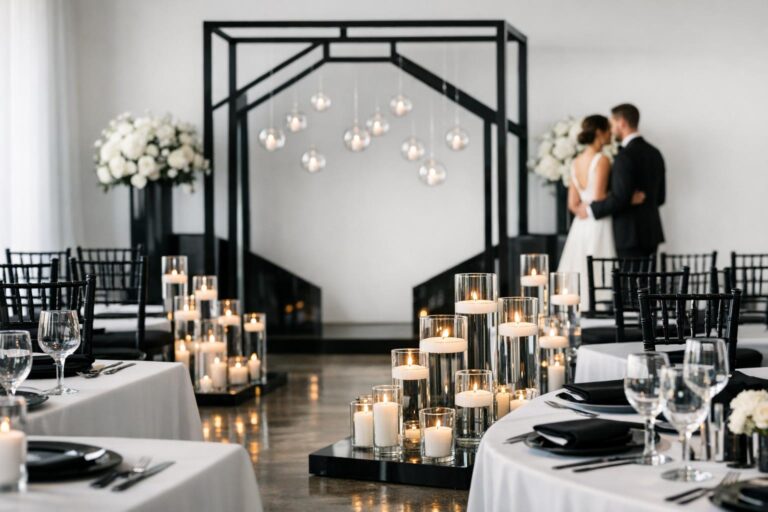
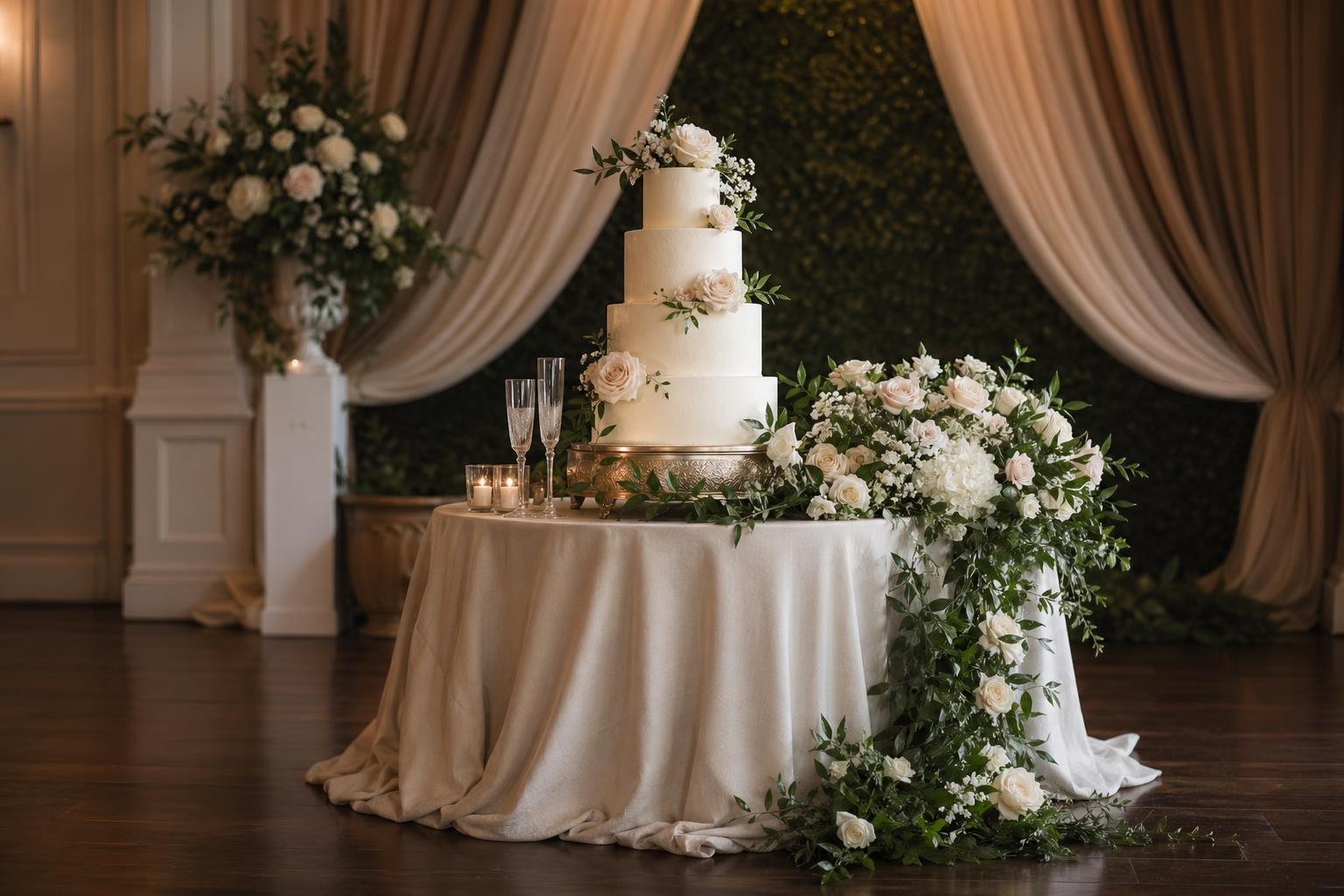
Romantic Wedding Cake Table Ideas for a Refined Reception
Across a reception room, the wedding cake table has a quiet kind of magnetism. Before the cake is cut, before guests gather for that familiar celebratory pause, the display often reads as a small world of its own: a backdrop softened by florals, a stand that gives the cake presence, linens and lighting that make the whole scene feel intentional rather than incidental. It is décor, certainly, but it is also atmosphere.
The appeal is easy to understand. A beautifully styled cake display captures romance, anchors the room visually, and becomes part of the memory of the reception itself. Whether your celebration leans vintage, modern, botanical, or softly traditional, the cake area can carry the same emotional language as the rest of the day while still feeling like a special moment set apart.
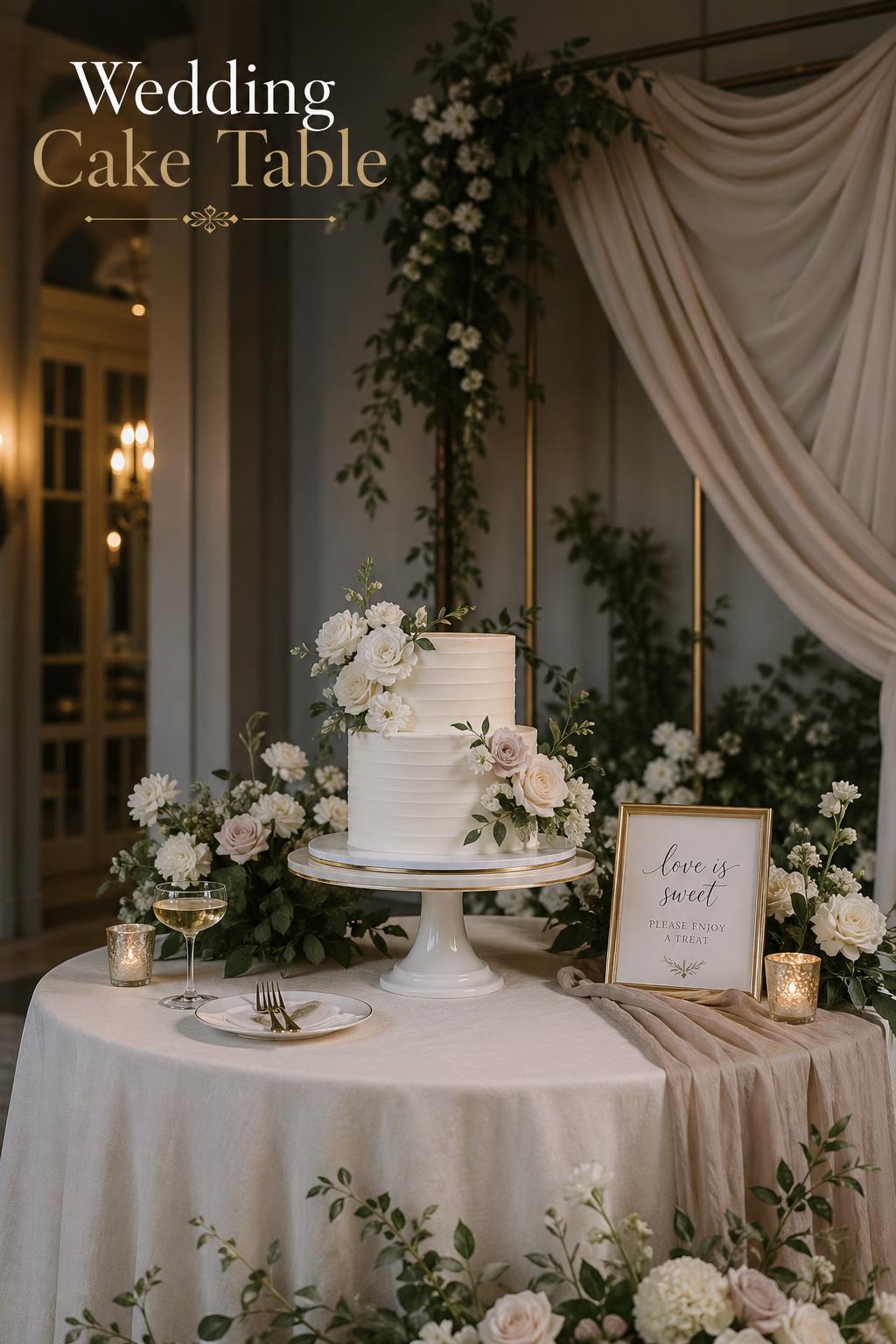
That is why couples so often search for wedding cake table ideas long before the final décor decisions are made. The right setup does more than hold dessert. It shapes photographs, supports the cake-cutting moment, and gives your reception one more thoughtfully composed scene your guests will remember.
The visual role of a wedding cake table
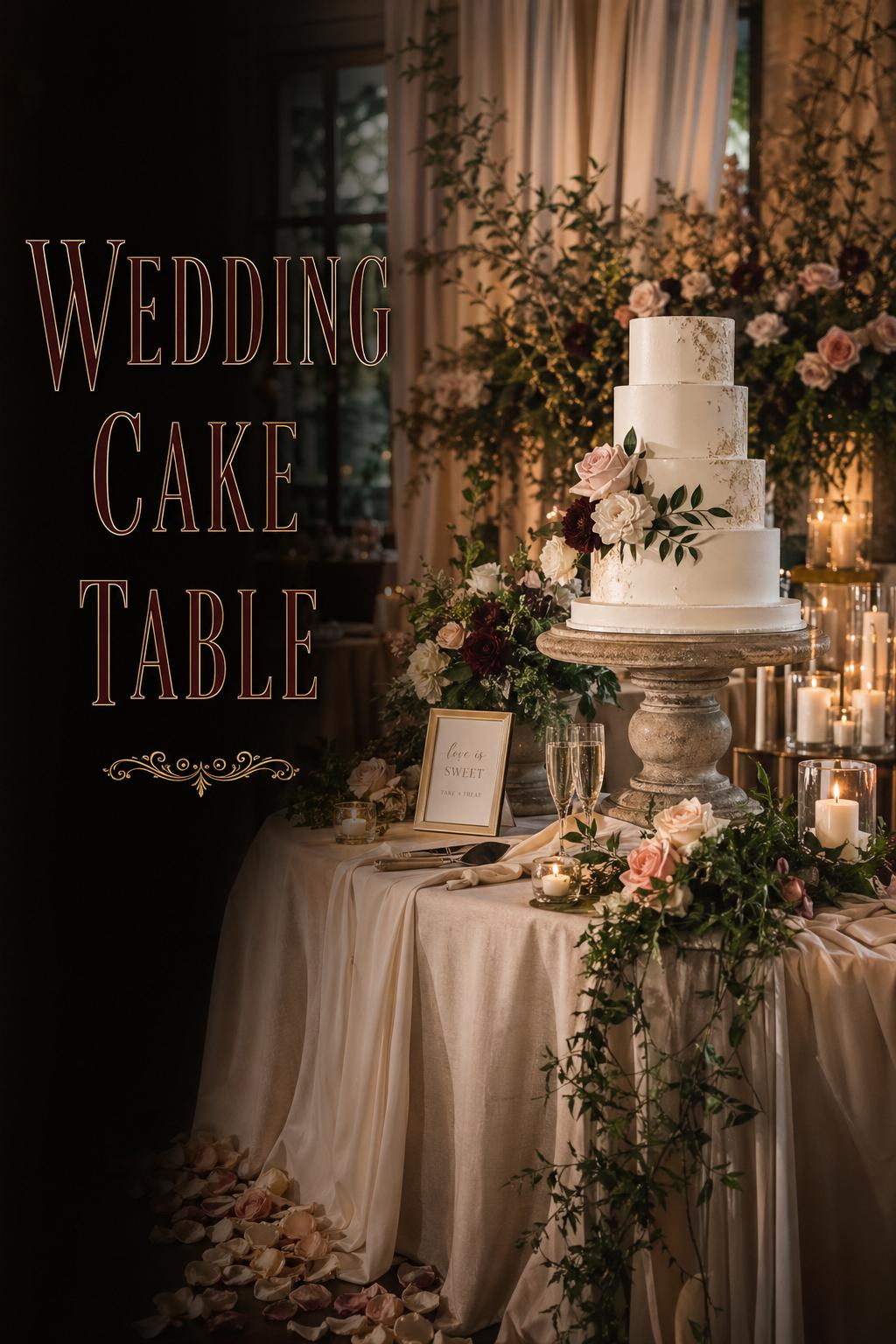
A wedding cake table works best when it is treated as a focal point rather than an afterthought. In most receptions, the cake itself already carries symbolic weight, so the surrounding display should frame that importance. This is where backdrop design, floral accents, lighting, and display hardware begin to matter. Each element helps the cake feel rooted in the larger wedding aesthetic instead of looking like it was simply placed in an open corner.
Turn wedding inspiration into a plan you can actually follow.
Zarellea brings your guest list, budget, vendors, and day-of details into one shared space — so no beautiful idea gets lost in the shuffle.
There is also a practical reason to give this area real attention: guests notice it early, photographers return to it often, and it typically appears in wide room shots as well as close detail images. A cake display that feels balanced in scale and connected to the room’s mood tends to photograph more beautifully and feel more memorable in person.
For many couples, the cake table and dessert table also relate to one another. Sometimes they are separate moments, with the cake given its own quiet spotlight. Sometimes dessert table ideas are folded into the same visual zone, creating a fuller, more layered display. Either approach can work, but the key is clarity: the cake should still read as the centerpiece.
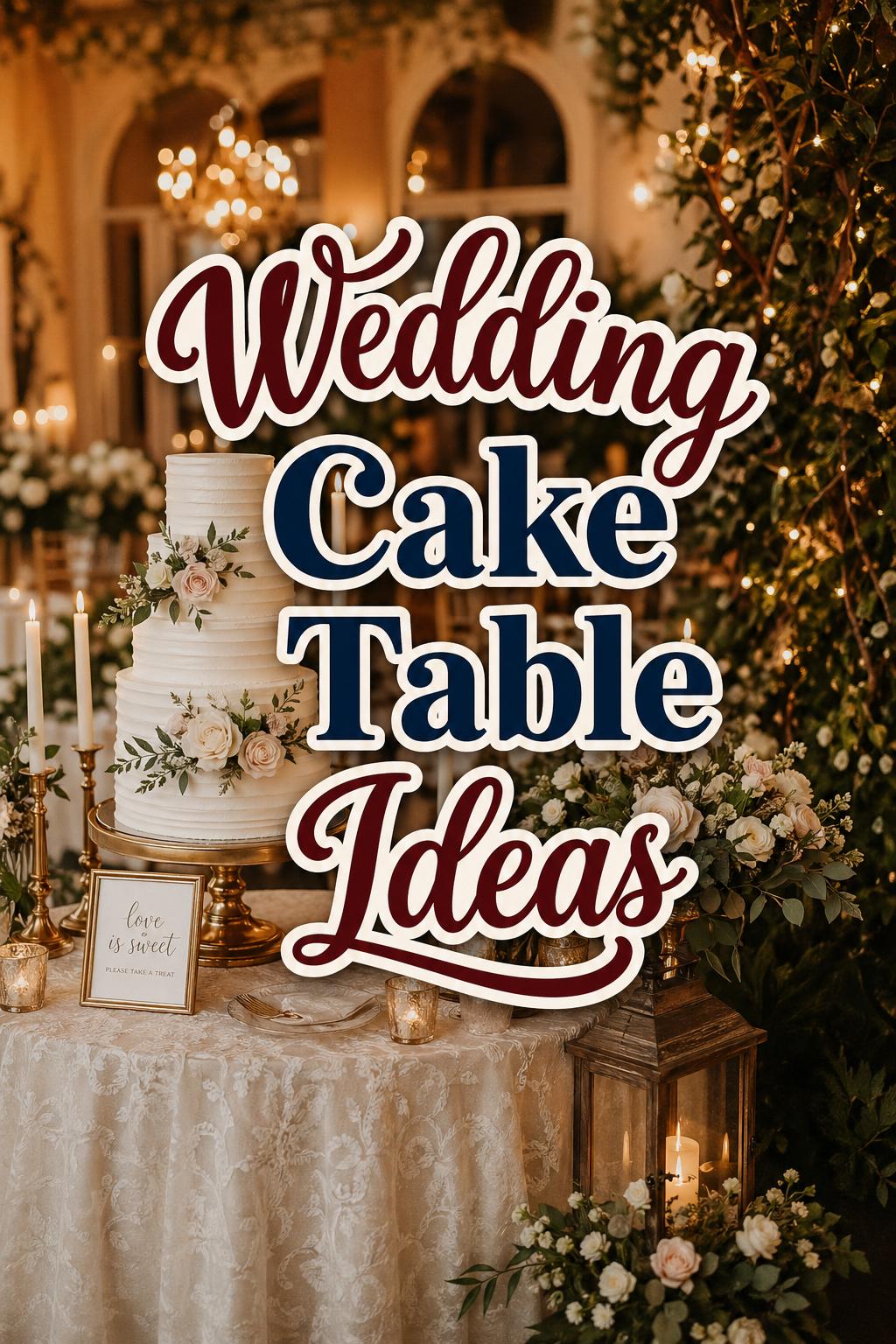
Look: romantic vintage softness
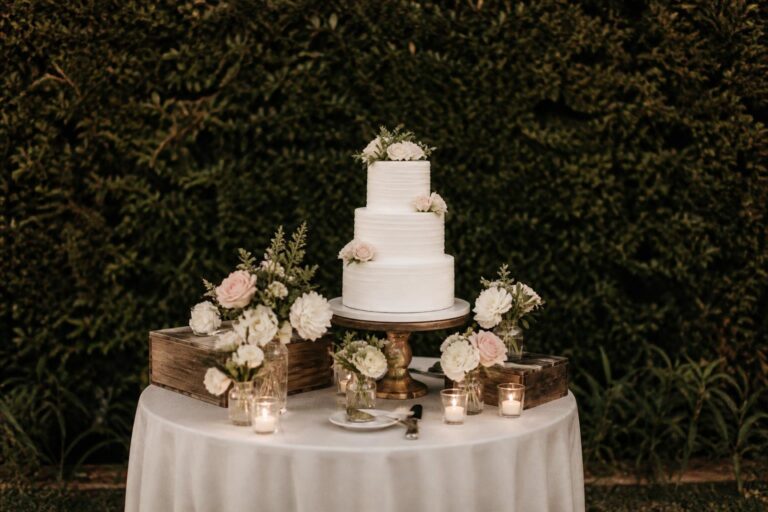
This interpretation of the cake table leans into nostalgia, tenderness, and gentle layering. The silhouette feels collected rather than sharp, with soft lines, reflective surfaces, and texture that suggests history. It is especially lovely for receptions that want to feel intimate, romantic, and slightly old-world without becoming heavy or theatrical.
Vintage furniture often shapes this look beautifully. An old chest, a delicate table, or a piece with visible character can replace a standard banquet table and instantly change the feeling of the display. Mirrors add another romantic note, especially when they catch candlelike glow or soften the visual weight of florals and cake stands. Pale linens, soft florals, and a muted color palette keep everything cohesive.
- Key elements: vintage furniture, mirrors, soft florals, textured linens
- Best mood: romantic, shabby chic, classic elegance
- Helpful accents: low signage, subtle cake toppers, layered stands
What makes this style work is restraint. Too many props can turn romance into clutter. A vintage wedding cake table is strongest when each detail has visual purpose and when the cake remains the clearest focal point.
Look: modern minimal clarity
A modern wedding cake table feels calm, intentional, and refined. Instead of building atmosphere through many decorative layers, it relies on silhouette, spacing, and tonal control. The result is polished and contemporary, with a sense of confidence that suits minimalist receptions and cleaner venue architecture.
Think clean lines, monochrome or neutral palettes, and display hardware that feels architectural rather than ornate. Geometric stands, simple pedestals, restrained floral placement, and an uncluttered backdrop let the cake command attention without competition. This style is especially effective when the cake design itself is sleek and sculptural.
Minimalist decor does not mean empty. It means every choice is visible, so proportion matters even more. If the table is too small for the cake height, the display can feel compressed. If the backdrop is too busy, it interrupts the look’s quiet elegance. In this aesthetic, editing is the design skill.
Style tip: let negative space do some of the decorating
On a modern cake display, open space around the cake can be just as important as florals or props. A little breathing room makes the stand, cake topper, and backdrop feel more deliberate, and it helps photographers capture a cleaner frame.
Look: glamorous botanical drama
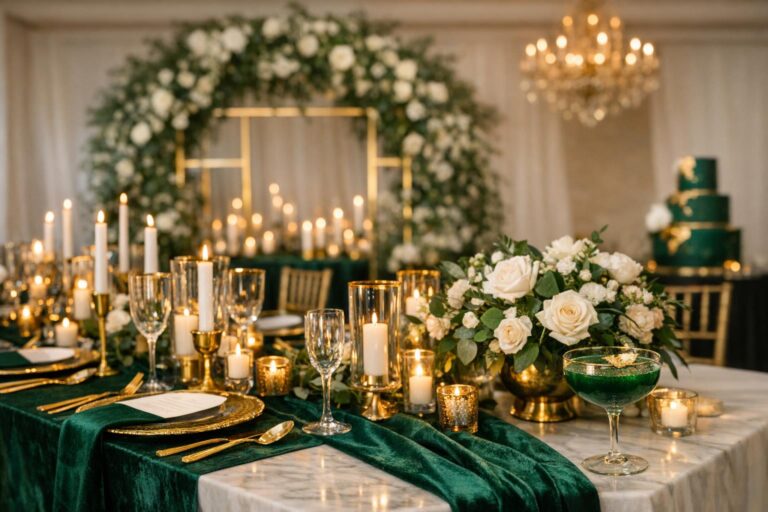
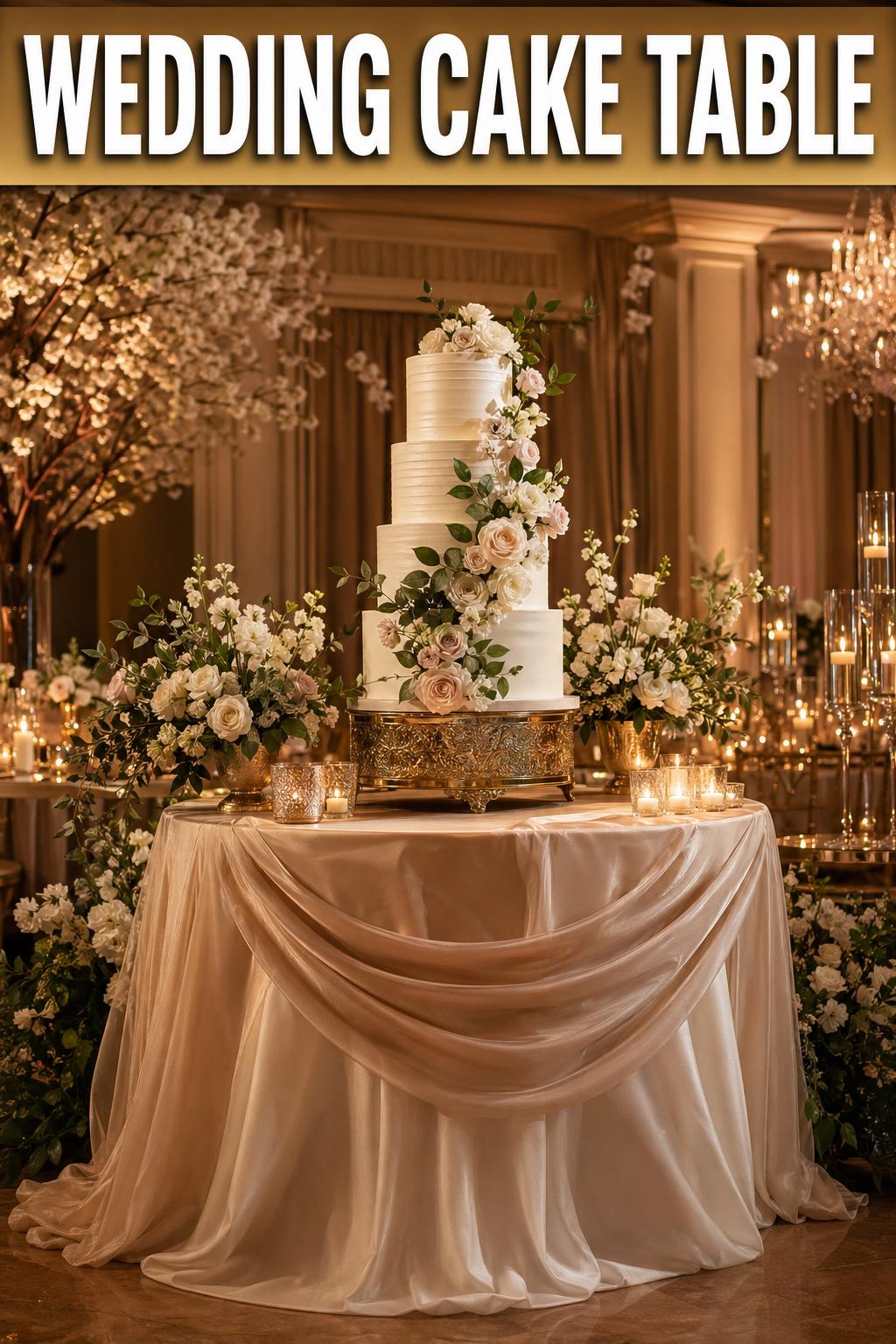
Some receptions call for a richer visual statement, and this is where a botanical cake display shines. The mood is lush, romantic, and immersive. Rather than feeling sparse or antique, the table becomes part of a larger garden-like scene, with greenery and florals creating movement around the cake.
A defined backdrop is essential here. Drapery, foliage, or floral framing gives the cake area depth, while layered greenery adds softness and fullness. Cake stands still matter, but they should support the composition rather than steal attention. This look often benefits from lighting accents as well, especially when the reception shifts into evening and the cake-cutting moment needs a little atmosphere.
The reason this style remains so popular is simple: it photographs beautifully. Floral accents, drapes, and dimensional backdrops create visual storytelling for both close-up and wide-angle images. The display feels celebratory before anyone even approaches the table.
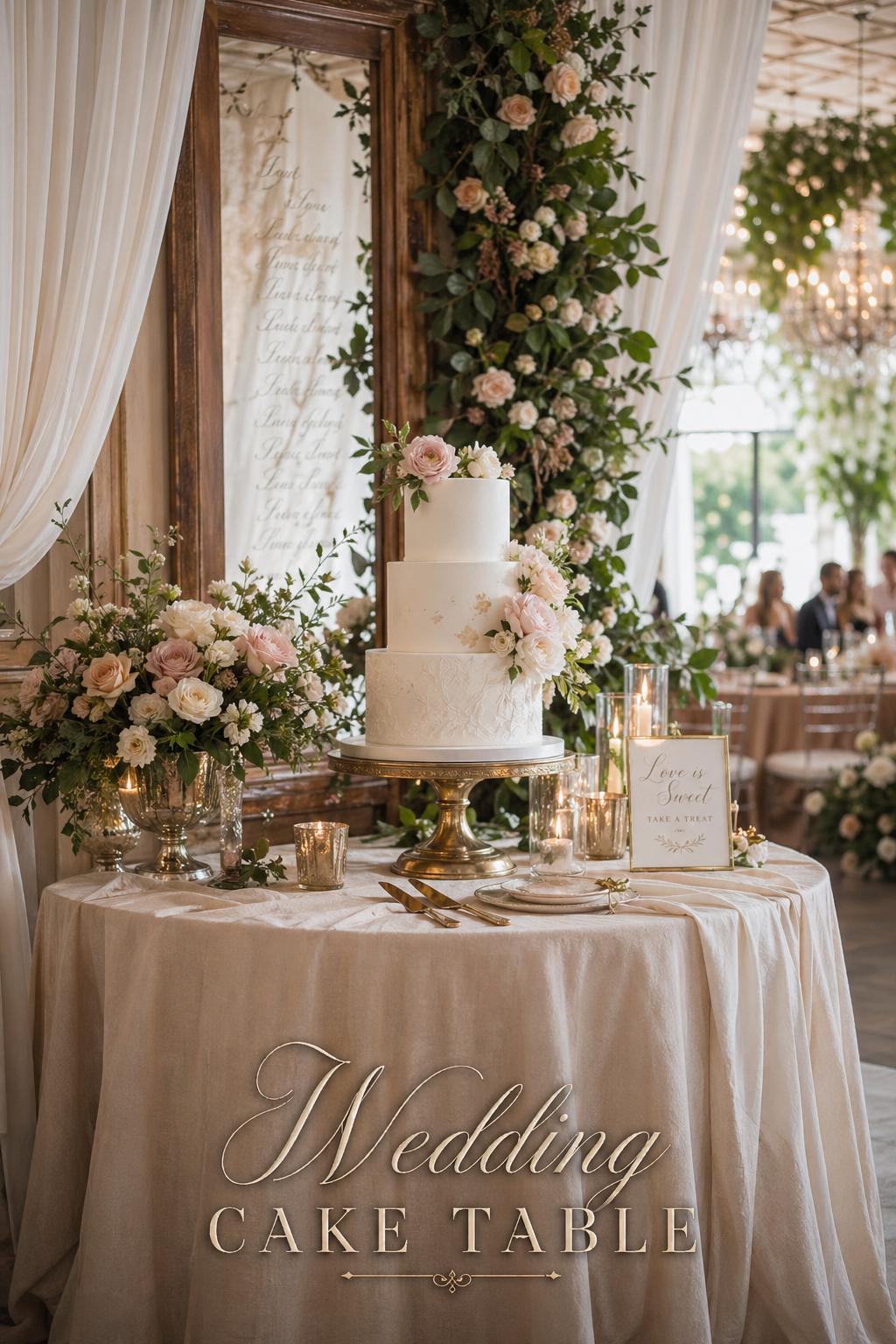
Look: color-story coordination that ties the room together
Sometimes the most successful cake table is not defined by a single décor item but by a disciplined color palette. This approach is less about one dramatic prop and more about harmony. The cake, linens, florals, signage, and backdrop all speak the same visual language, making the display feel naturally integrated into the reception.
This can suit classic weddings, modern receptions, romantic ballroom settings, or garden celebrations. What matters is consistency. If your florals elsewhere in the venue carry a soft botanical mood, the cake area should not suddenly feel stark and metallic. If your reception styling is clean and neutral, heavily ornate props may feel disconnected. Coordinated decor gives the cake display a sense of belonging.
- Repeat one or two colors from the wider reception palette
- Echo the floral style used elsewhere in the event
- Choose signage and drapery that support, rather than interrupt, the mood
- Use texture to add depth when the palette itself is quiet
Couples often underestimate how much cohesion matters in photographs. When the cake display reflects the same palette and styling language as the ceremony and reception décor, the entire event feels more thoughtfully curated.
The pieces that make the display feel complete
Even the most beautiful wedding cake table ideas rely on a few foundational components. These are not always the most dramatic details, but they are the elements that create structure and finish. Once these are right, decorative choices become easier and more effective.
Cake stands and display hardware
Cake stands, pedestals, and risers establish height, balance, and presence. A stand can make a smaller cake feel more significant or help a taller cake sit more naturally within a larger setup. In romantic styling, the stand may feel soft and decorative. In modern styling, it may feel geometric and understated. Either way, it should complement the cake rather than compete with it.
If you are combining a cake display with dessert table elements, display hardware becomes even more important. Tiered stands and varied risers can help supporting sweets feel intentional while keeping the wedding cake visually dominant.
Backdrops, drapery, and signage
A backdrop frames the scene and gives the cake a visual home. Drapery softens hard edges and adds movement, while signage introduces a note of personality. Some displays need only a subtle textile or simple sign. Others benefit from a more layered arrangement, especially in larger rooms where the cake area might otherwise disappear into the background.
Signs and banners work best when they are scaled to the table and legible from a natural viewing distance. If they are too large, they can overshadow the cake. If they are too small, they lose their purpose. The same principle applies to backdrop width and drape fullness.
Florals, foliage, and textural accents
Florals are one of the most consistent design elements across cake table decor because they connect the display to the rest of the wedding so naturally. Seasonal flowers, greenery, and small foliage details can soften hard lines, echo bouquets or ceremony pieces, and create that unmistakably romantic finish.
Texture matters just as much as color. A smooth cake beside soft florals, layered linen, and a reflective mirror or stand creates dimension. Without those textural contrasts, even a pretty display can look flat in person and in photographs.
Lighting turns a pretty cake display into a memorable one
Lighting is often one of the least discussed parts of cake table styling, yet it can change the entire mood of the display. A table that looked charming during setup can feel dim and visually lost once the reception lighting shifts. Planning for the cake-cutting moment, not just the initial setup, is one of the smartest decisions couples can make.
Look: soft natural light for daytime receptions
For earlier celebrations or venues with strong natural light, the goal is usually balance rather than embellishment. Let the cake table sit where the display can be seen clearly without harsh glare. In this setting, lighter linens, mirrors, and soft florals tend to photograph especially well because they respond gently to daylight.
This kind of setup favors a refined silhouette and controlled color palette. Since natural light reveals every detail, clutter becomes more noticeable. A simpler arrangement often feels more elevated.
Look: warm ambient glow for evening romance
In evening receptions, ambient lighting helps preserve the sense that the cake table is a destination within the room. String lights, uplighting, and soft fairy lights can support that mood when they are placed to frame the display instead of overwhelming it. Warm tones generally create a more romantic effect, while cooler tones can feel cleaner and more modern.
Color temperature matters because it affects not just atmosphere but also photography. A cake framed by warm, flattering light usually feels richer and more inviting. If the palette of the wedding is crisp and minimalist, cooler or more neutral lighting may align better. The important point is consistency: lighting should reinforce the theme, not contradict it.
Tips for a photo-ready cake table
- Avoid placing the table where overhead light creates unflattering shadows on the cake
- Use lighting accents to define the backdrop, not to distract from the cake
- Leave enough space around the table for the couple and photographer during the cake-cutting moment
- Consider how the display will look in both wide room photos and tight detail shots
Where dessert table ideas fit into the picture
The relationship between a cake table and a wedding dessert table deserves careful thought. Some couples want the elegance of a dedicated cake display with a separate dessert area nearby. Others prefer a hybrid arrangement where desserts flank the cake and create a fuller presentation. Both can be beautiful, but they create different visual and practical effects.
A separate cake display tends to feel more formal and gives the cake-cutting moment its own stage. A combined cake and dessert table can feel more abundant and interactive, especially if the reception style is relaxed or visually layered. In either case, the cake should still read as the hero piece. If too many dessert displays compete in height, color, or texture, the eye can lose its focal point.
This is also where cultural or regional variations can shape the setup. Some receptions naturally include broader dessert offerings, and those can sit beautifully alongside the cake when signage, stands, and layout create order. The most graceful displays feel intentional, not crowded.
How to recreate a balanced hybrid display
Place the wedding cake at the visual center or on the most prominent stand, then let dessert table pieces step down in scale around it. Use matching or complementary display hardware, repeat the floral language, and keep the backdrop centered on the cake itself. This approach gives you abundance without sacrificing structure.
The planning mood behind each style choice
One of the most helpful ways to make cake table decisions is to think beyond décor categories and focus on the feeling you want guests to experience. A romantic display feels different from a minimalist one not only because of its props but because of how it handles line, texture, and atmosphere. That emotional clarity often makes practical choices much easier.
If your reception vision is soft and intimate, florals, drapery, and vintage furniture may help tell that story. If your venue is sleek and modern, geometric stands and restrained signage may feel more authentic. If your celebration is whimsical or lush, greenery and botanical framing may create the sense of depth you want. The display should belong to the wedding, not sit beside it as a disconnected vignette.
Vendor collaboration is what makes the table feel seamless
Behind every polished cake display is usually strong coordination between the baker, florist, and rental company. Couples often focus on selecting beautiful pieces, but the visual success of the table usually comes from alignment: the cake design suits the stand, the florals fit the scale of the backdrop, and the rentals support the room rather than looking borrowed from another concept.
This collaboration matters because each vendor contributes a different layer. The baker shapes the form and visual weight of the cake. The florist creates softness, movement, and color connection. The rental company supplies practical pieces such as stands, linens, signage elements, and backdrops. When those decisions are made in isolation, the display can feel mismatched. When they are coordinated, the result feels composed.
A practical coordination checklist
- Confirm the cake size and height before finalizing the stand or pedestal
- Share the reception color palette with the baker, florist, and rental provider
- Decide whether the cake table and dessert table will be separate or combined
- Clarify which vendor supplies linens, signage, backdrop pieces, and display hardware
- Plan enough open space for the cake-cutting moment and photography
Vendor catalogs can also help couples visualize options. For example, a rental collection such as EventWorks Rentals may be useful when comparing stands, signs, linens, and backdrop pieces in one place. That kind of visual planning support can make it easier to see whether your concept is romantic, modern, or somewhere in between.
A day-of styling rhythm that keeps the display calm and beautiful
Many articles focus only on inspiration, but the setup sequence affects the final result more than couples sometimes expect. A wedding cake table should be installed in layers, with structure first and delicate details last. This helps protect fragile décor, prevents unnecessary movement, and gives each vendor a clear role.
A sensible rhythm usually begins with the table placement, linens, and backdrop. After that, stands, signage, and any larger display props are positioned. Florals and foliage come next once the structure is set. The cake itself is best added after the supporting visual pieces are in place. This order reduces crowding around the display and helps the baker place the cake into a finished scene rather than an unfinished work zone.
For the cake-cutting portion of the reception, leave enough room around the display so the couple can approach naturally and photographers can work from multiple angles. A display can be visually stunning and still function poorly if chairs, dessert pieces, or oversized décor crowd the front of the table.
Common setup mistakes that weaken the final look
The most common issues are scale problems, inconsistent styling, and blocked access. A too-small table can make even a beautiful cake feel precarious. A backdrop that is too narrow or too low can feel incomplete. Dessert items placed too close to the main cake can flatten the focal point. These are not dramatic errors, but they are the kinds of details that separate a simply decorated table from a truly polished one.
Regional and cultural variations that can shape your display
Wedding style in the U.S. is not entirely uniform, and cake display choices often reflect venue character and local preference. A reception inspired by Southern charm may embrace softer layering, classic romance, and more decorative texture. A West Coast modern celebration may feel cleaner, airier, and more minimalist. These differences do not require rigid rules, but they can offer useful direction when you are trying to align the cake table with the spirit of the venue.
Cultural infusions can also shift the design beautifully. Some weddings include a broader dessert presence alongside the central cake, and that can be reflected through signage, tiered displays, and coordinated styling. The key is not to force everything into one visual level. The cake should still have pride of place, while surrounding sweets support the story.
If your celebration includes distinctive dessert traditions, treat them as part of the aesthetic conversation rather than an unrelated add-on. Matching stands, repeated florals, and a shared color palette can help everything feel unified.
Look: photo-led styling for couples who care about imagery
Some cake displays are designed primarily for décor impact in the room. Others are styled with photography very much in mind. This approach is especially meaningful for couples who want the cake table to appear prominently in their gallery and who see the reception details as part of the day’s visual storytelling.
Photo-friendly setups usually have clear framing, visible depth, and a strong relationship between the cake and its backdrop. Florals may cascade or flank the stand, drapery can soften the edges of the composition, and lighting helps separate the display from the room behind it. The arrangement should be attractive from more than one angle, since photographers may capture it wide, straight-on, and in close detail.
Photographer-focused wedding blogs often highlight this distinction for good reason: a cake table that looks lovely from one front-facing position may feel flat in a gallery if the side views and surrounding room context were never considered. Visual storytelling asks for shape, layering, and enough negative space to make the cake stand out.
Tips for the shot list
- A wide image showing how the cake table sits within the reception room
- A straight-on shot that captures the full backdrop and display hardware
- Close details of florals, cake toppers, signage, and stand texture
- A candid or posed image from the cake-cutting moment with enough space around the table
Choosing between classic elegance and trend-led styling
One of the more nuanced decisions in cake table decor is whether to aim for timelessness or something more trend-aware. Classic displays tend to rely on balanced proportions, soft florals, elegant stands, and simple color coordination. They age beautifully in photographs and usually work across a wide range of venues.
Trend-led displays may include more distinctive props such as mirrors, old chests, unusual furniture, or stronger thematic storytelling. These can be incredibly memorable and full of personality. The trade-off is that they require more editing and stronger coordination to avoid feeling disconnected from the rest of the wedding.
Neither direction is inherently better. The right choice depends on the wider reception vision, the venue style, and how bold you want the cake area to feel. If the rest of the wedding is understated, a highly decorative cake display can become a beautiful focal feature. If the room is already richly styled, a calmer cake table may be the more sophisticated option.
Key pieces for this aesthetic
When couples want a clear shopping or rental framework, it helps to think in categories rather than isolated objects. Most successful cake displays are built from a few consistent layers that can be interpreted romantically, minimally, or more dramatically.
- A table or furniture base with the right scale for the cake
- Cake stands, pedestals, or risers that support height and proportion
- Linens or surface texture that suit the theme and color palette
- A backdrop, drapery, or framed setting for visual focus
- Florals and greenery for softness and cohesion
- Signage, banners, or cake toppers for personality
- Lighting accents for mood and visibility
These pieces can be mixed in many ways, but together they form the visual language of the cake area. Once that foundation is established, the rest of the styling becomes more intuitive.
How to make the display feel personal without losing elegance
Personalization is often most effective when it is subtle. Cake toppers, signage, or a meaningful prop can add identity to the display, but too many personalized elements can make the styling feel crowded. The most elegant cake tables usually include one or two clearly intentional personal notes rather than several competing statements.
This is especially true when the table already includes florals, drapery, lighting, and dessert components. In those situations, your best path is often to let the palette and style tell the personal story while using one focal custom detail for emphasis.
Bringing inspiration into a real reception space
Beautiful images can make any cake display look effortless, but in a real venue, the room itself should guide your decisions. A narrow corner may call for vertical styling with a stronger backdrop and a smaller furniture footprint. A wide reception space may need fuller florals, broader drapery, or a larger visual frame so the cake table does not feel underscaled. Scale is not simply about decoration; it is about helping the display belong to the room.
That is why practical walkthroughs and visual planning matter. Some couples now explore mockups or simple design previews to test color palette, backdrop width, and decor balance before the wedding day. Even a basic planning sketch can prevent common issues like overcrowding, weak focal emphasis, or a mismatch between cake height and table proportion.
The most successful reception styling usually comes from this blend of imagination and realism. You can dream in romance, vintage softness, botanical drama, or minimalist calm, then shape those ideas to suit your actual venue and vendors.
Conclusion
A beautiful wedding cake table works because it brings together so many parts of the celebration in one intimate scene: the cake itself, the color story, the florals, the lighting, and the emotion of the reception. Whether your style is vintage and romantic, modern and minimal, or lush with botanical detail, the most memorable displays feel cohesive, personal, and thoughtfully scaled to the room. When you choose a direction that reflects your wedding’s wider atmosphere, the cake table becomes more than décor. It becomes part of the feeling guests carry home with them.
FAQ
How many guests should a wedding cake table serve?
The table itself does not determine guest count as much as the cake and any accompanying dessert table do, but the display should be scaled to the importance of the cake within the reception. A larger guest list often benefits from stronger visual framing, appropriate stand height, and enough surrounding space to keep the cake from looking undersized in a big room.
Do I need a separate dessert table if I already have a wedding cake table?
No, a separate dessert table is optional. Some couples prefer a dedicated cake display for a more formal focal point, while others combine cake and desserts into one hybrid presentation. The most important thing is that the cake remains visually central and the surrounding sweets do not crowd or compete with it.
What should always be included on a cake table?
At minimum, the display should include the cake, appropriate cake stands or display hardware, and enough styling support to give the table visual structure. Depending on your theme, that usually means linens, a backdrop or framing element, floral accents, and possibly signage or a simple cake topper.
How far in advance should I plan cake table decor?
It is wise to plan the design once your broader reception style, cake direction, and vendor team are taking shape. The cake table works best when the baker, florist, and rental company can coordinate early enough to align stands, florals, linens, and backdrop choices rather than making those decisions separately at the last minute.
What makes a cake table look more expensive or elevated?
Usually it is not one luxurious object but a sense of cohesion. Balanced proportion, a clear focal point, a thoughtful color palette, controlled floral placement, and lighting that flatters the display all make the table feel more refined. Editing out unnecessary props often has a stronger effect than adding more décor.
How do I make sure the cake table photographs well?
Choose a location with supportive light, give the display a defined backdrop, and leave enough open space around the table for the cake-cutting moment. A setup with visible depth, balanced florals, and a clear relationship between cake and backdrop tends to perform best in both wide and close photographs.
Can a wedding cake table work with a minimalist wedding style?
Absolutely. A minimalist cake display can be especially striking when it uses clean lines, restrained florals, simple signage, and a carefully chosen stand or pedestal. The success of this look depends on proportion, spacing, and tonal consistency rather than elaborate decoration.
What is the biggest mistake couples make with cake table decor?
One of the most common mistakes is treating the cake table as a last-minute surface instead of a designed focal point. That can lead to poor scale, mismatched décor, weak lighting, or a setup that looks crowded once desserts and people gather around it. Planning the table as part of the reception design usually solves most of these problems.