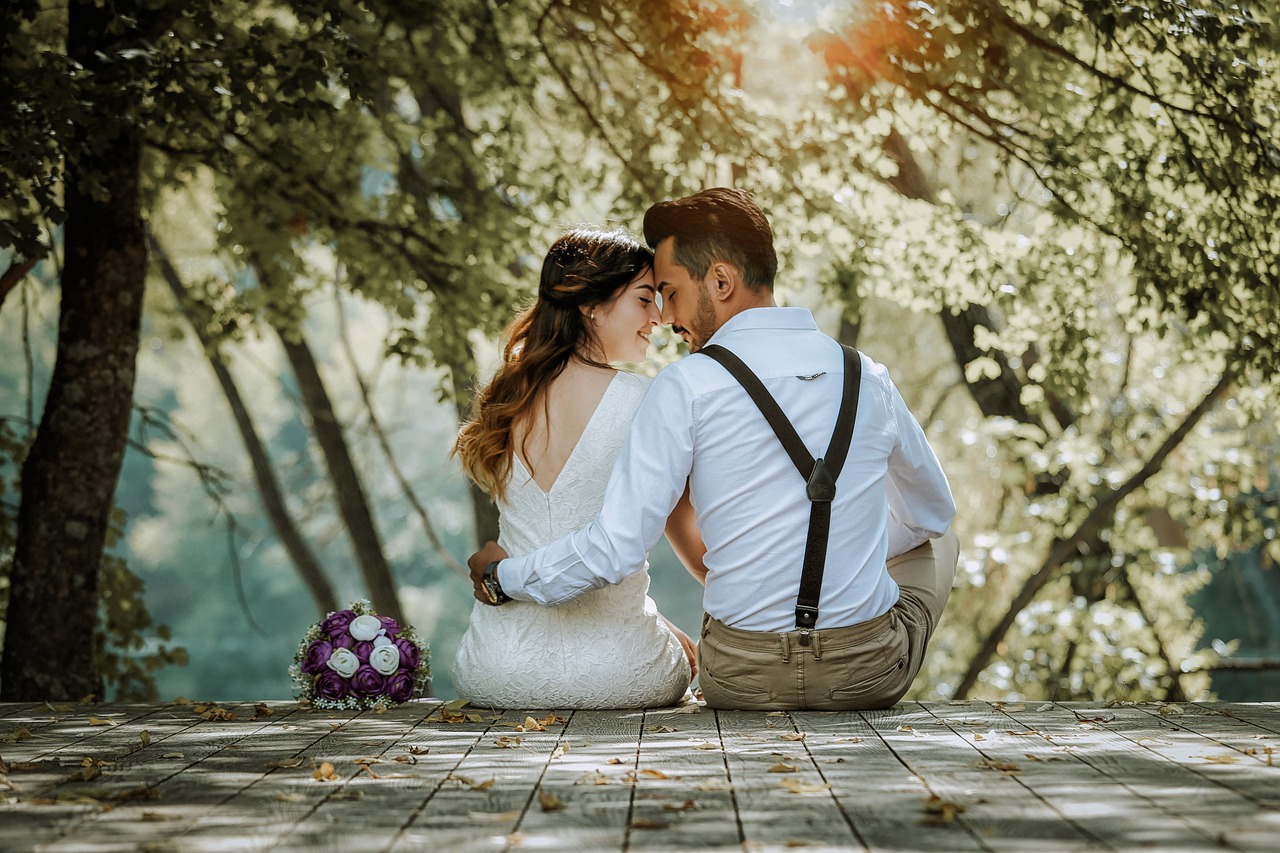
Indian Outdoor Wedding Decor: The Complete Playbook for Mandap, Lighting, Florals, and Flow
Indian outdoor wedding decor is at its best when it balances cultural beauty with outdoor practicality. The open-air setting can make colors feel brighter, florals feel more immersive, and lighting feel more dramatic—but it also introduces real considerations like sun, wind, ground conditions, and power access. This guide brings those pieces together into a cohesive approach: starting with the mandap as the visual anchor, then building outward into lighting, florals and greenery, seating, aisles, backdrops, lounge zones, color palettes, and weather-ready planning.
Whether you’re planning a garden ceremony, a lawn reception, or an outdoor venue that needs a full design build, the goal is the same: create a decor story that reads clearly in daylight, transitions smoothly into evening, and keeps guests comfortable and moving easily through the space. You’ll find multiple individual ideas in each section, plus tips you can apply immediately when collaborating with vendors or building a decor plan from scratch.
Understanding the Core Concepts of Outdoor Indian Wedding Decor
Outdoor Indian wedding decor typically revolves around a few core pillars: a strong ceremony focal point (the mandap), layered textures that hold up in open air (drapes, canopies, garlands, structured installations), and thoughtful transitions between “moments” (entrance, aisle, ceremony, photo area, lounge, dining, and dance). Unlike indoor setups, outdoor decor is constantly interacting with the environment—light changes quickly, wind can shift fabric, and the ground can influence everything from stage stability to guest pathways.
A helpful way to plan is to think in zones rather than standalone decor pieces. The mandap zone creates the ceremonial heart, but supporting zones (aisle, seating, entry, and backdrops) should echo its materials and palette so the entire venue feels intentional. When done well, the decor looks cohesive from every angle—including the angles that matter most for photos.
Tips: Start with a “decor story” before choosing items
Before selecting specific elements, define a simple storyline such as royal, garden, boho, or desert meadows, then choose a limited set of repeated motifs (for example: marigold and gold accents, emerald textiles, or blush florals paired with greenery). Repetition is what makes a large outdoor space feel designed, not just decorated.
Mandap Design for Outdoor Venues
The mandap is the centerpiece of most outdoor Indian ceremonies, and it needs to perform two jobs: look stunning as a focal point and stay stable and photo-ready in real outdoor conditions. Outdoor mandap decor benefits from architecture—pillars, frames, and structured canopies—because structure gives you reliable lines and clear framing for photos even when the background is expansive.
Traditional pillars with floral garlands
Traditional pillar mandaps work beautifully outdoors because they create a clear silhouette against open skies and gardens. You can soften the structure with floral garlands, clustered florals at the corners, and gentle draping that frames the couple without blocking airflow. This style also scales well: compact pillars for intimate lawns, or taller, more dramatic pillars for wide garden venues.
- Corner-focused floral clusters to keep the center visually open
- Garlands layered at different heights for depth (especially effective in daylight)
- Drapes used as accents rather than heavy walls to keep movement comfortable
Floating canopies and drape architecture
Floating canopies and drape-driven “architecture” are ideal when you want softness and drama. The key outdoors is tension and control: drapes should be secured so they don’t billow unpredictably, and canopy lines should be intentional so the shape reads clearly from guest seating and photography angles. A canopy can also help create a sense of intimacy within a large outdoor space.
Consider drape placement as framing rather than coverage—think of it like building a stage picture. When the canopy is paired with greenery and florals, it can look lush without feeling heavy.
Regional mandap styles (Mughal, Rajasthani, South Indian motifs)
Regional influences can add meaning and specificity to an outdoor design, especially when applied through motifs, fabrics, and palette choices. Mughal-inspired styling can lean into symmetrical structure and refined detailing; Rajasthani influences can emphasize bold, celebratory color stories; South Indian-inspired approaches can highlight classic garlands and a clean ceremonial focus. The most successful outdoor interpretations use regional cues as design accents rather than overwhelming the space.
If you’re mixing influences, keep the mandap’s base structure consistent, and apply regional details in repeatable touches—like fabric selections, garland styling, and backdrop patterns—so the design still feels cohesive from entrance to ceremony to reception.
Tips: Make the mandap camera-ready from multiple distances
Outdoor ceremonies often have long sightlines. Build detail at two scales: large shapes that read from far seating (pillars, canopy lines, strong color blocks) and close-up texture for photos (garland layering, floral clusters, fabric trim). Ask your team to view it from the back row and from the aisle entry before finalizing placement.
Lighting That Transforms Day to Night
Lighting is one of the most powerful tools in outdoor Indian wedding decor because it handles the transition from daylight to evening. In daylight, lighting is mostly about subtle emphasis and ensuring key areas won’t look flat in photos. After sunset, lighting becomes the atmosphere itself—defining pathways, highlighting installations, and turning open space into a warm, celebratory environment.
Ambient lighting for ceremony areas
Ambient lighting supports the ceremony without competing with it. In an outdoor setting, that often means a gentle glow around the mandap area and along the aisle. Even if the ceremony is earlier in the day, planning for ambient lighting ensures the space still feels intentional during transitions, cocktail time, or post-ceremony photos.
Uplighting, fairy lights, lanterns, and chandeliers
For evening celebrations, layered lighting creates depth. Fairy lights can bring softness overhead; lanterns can guide guest movement and add cultural warmth; chandeliers can elevate the mandap or lounge areas; and uplighting can define trees, drape structures, and backdrops. The most cohesive designs use a consistent lighting “temperature” so everything looks like it belongs together in photos.
- Fairy lights overhead to create a ceiling effect in open air
- Lantern clusters along key pathways (entry to ceremony, ceremony to reception)
- Chandeliers as a focal accent above the mandap or lounge zone
- Uplighting to outline decor architecture and prevent the background from going dark
Practical tips for power, weather resilience, and photo outcomes
Outdoor lighting needs planning beyond aesthetics. Confirm where power is coming from and how cords will be managed so walkways stay clear. Make sure lighting installations are weather-ready and secured. For photo outcomes, avoid placing the strongest lights directly behind the couple at the mandap; instead, use lighting that frames and flatters the ceremony area without turning people into silhouettes.
Tips: Treat lighting as a map, not just decoration
Use lighting to guide guests intuitively: brighter at entrances and key moments (mandap, photo backdrop), softer in lounge zones, and consistent along paths. When guests always know where to go next, the event feels calmer and more luxurious—even in a large outdoor venue.
Florals, Greenery, and Natural Decor Elements
Florals and greenery are often the emotional core of Indian wedding decor ideas, and outdoor settings allow them to feel especially immersive. The most effective outdoor floral design uses a mix of focal blooms, supportive florals, and greenery that connects the decor to the environment. Instead of relying on a single floral “moment,” distribute florals in repeated clusters across the venue so the space feels complete.
Floral palettes by season
Seasonal thinking helps keep outdoor florals looking fresh and consistent throughout the event. Rather than forcing one look in every condition, select a palette that complements the venue’s natural colors and holds its own in daylight. For example, gold and marigold tones can feel vibrant in sun, while blush and greenery can read soft and romantic against garden backdrops.
Greenery groves, installations, and backdrops
Greenery installations are especially useful outdoors because they create structure without feeling heavy. Consider “groves” or clustered greenery moments to frame the mandap, define lounge zones, or soften hard venue edges. Greenery can also function as a transitional material between ceremony and reception, keeping the decor story consistent even if the layout changes.
Seasonal flower pairings and symbolism
Many couples want florals that feel meaningful, not just pretty. You can express symbolism through color choices and repeated floral shapes, even when you’re keeping the overall design clean and modern. The key is consistency: a few repeated floral forms (garlands, clusters, and backdrop accents) will feel more intentional than a long list of disconnected arrangements.
Tips: Build florals in layers so the venue never looks “unfinished”
A common outdoor challenge is that the space can look sparse if florals are only placed at the mandap. Layer in smaller floral moments at the entry, along the aisle, and near seating and photo points. These repeated cues help guests feel like the entire environment is part of the celebration.
Seating, Aisle, Lounge, and Pathways
Outdoor decor is not only what guests see—it’s also how they move. Seating plans, aisle design, lounge zones, and pathways should support comfort and flow while still fitting the decor story. A beautifully designed mandap can lose its impact if guests can’t see it, can’t reach it comfortably, or feel unsure where to go next.
Mandap-adjacent seating plans
Seating should be positioned to create a clear central sightline. Outdoors, consider the direction of light and how it affects visibility. Arrange seating so the aisle naturally draws attention to the mandap, and ensure there’s enough space for processional moments and photography without crowding guests.
Aisle decor and entrance backdrops
The entrance and aisle are your first and most repeated “reveal.” In outdoor Indian weddings, aisle decor works best when it is rhythmic and consistent rather than overly complex. A few repeated elements—like low floral clusters, lantern groupings, or simple garland accents—can make the walk feel ceremonial and photogenic without creating obstacles.
- Define the entry point with an intentional backdrop or framed moment
- Repeat one aisle element at consistent spacing to create a visual beat
- Keep aisle edges low enough for clear views and easier movement
- Design an exit moment (a continuation of decor behind the mandap) for photos
Lounge zones and guest flow
Lounge zones help outdoor events feel curated, not scattered. Use lounge groupings to create conversational pockets and give guests a comfortable place between moments. In decor terms, lounge zones are also a chance to repeat your palette through textiles and lighting, which helps connect ceremony styling to reception styling.
Plan guest flow deliberately: the best layouts reduce cross-traffic and avoid bottlenecks at entrances, aisles, and photo areas. When guests move smoothly, the decor stays intact longer, and the event feels more polished.
Tips: Make pathways mobility-friendly without sacrificing style
Outdoor settings can be challenging for heels, mobility devices, and anyone who benefits from stable footing. Use clear, wide pathways and keep decor elements from narrowing walkways. A practical, accessible layout can still look elevated when you repeat lighting and floral accents along the path edges.
Color Palettes and Thematic Storytelling
Color palette is the fastest way to make an outdoor wedding feel intentionally “Indian” while still fitting a U.S. venue context. The open air amplifies color, so you can choose bold hues for a celebratory feel or softer tones for a garden-forward aesthetic. What matters most is that your palette shows up consistently across key decor zones: mandap, aisle, seating accents, backdrops, and lighting.
Culture-infused palettes (gold, marigold, emerald, blush)
Classic Indian wedding color energy can be expressed through concentrated accents rather than over-saturating every surface. Gold and marigold can read festive and traditional; emerald can add richness and depth; blush can soften the look for a romantic garden style. Outdoor success often comes from balancing vibrant tones with neutrals and greenery so the palette feels refined rather than overwhelming.
Thematic storylines (royal, garden, boho, desert meadows)
Themes are most effective when they guide decisions instead of dictating them. A royal storyline can emphasize structured mandap architecture and elevated lighting; a garden storyline can prioritize greenery installations and floral layering; boho can lean into relaxed drape styling and warm ambient lighting; desert meadows can focus on earthy balance and natural textures. The key is to pick one main storyline and keep your supporting details aligned so every decor decision feels intentional.
Tips: Choose a palette that works in both sun and night lighting
Outdoor events shift quickly from bright sun to golden hour to evening. Test your palette mentally in both conditions: will it still look rich under fairy lights and uplighting? Repeating metallic accents (especially gold tones) and grounding with greenery can help a palette feel stable across lighting changes.
Weather Readiness and Practical Considerations
Outdoor decor must be beautiful and resilient. Weather readiness is not a “backup plan” you think about later—it’s part of the design. The most successful outdoor Indian wedding setups plan for rain, heat, wind, and ground conditions without sacrificing the decor story. When you build weather considerations into the design early, you avoid last-minute compromises that can affect both guest comfort and visual cohesion.
Tents, flooring, ground protection, and rain plans
Tents and coverings can protect key moments and decor investments, especially around the mandap and dining areas. Flooring and ground protection help with stability and guest comfort, particularly in high-traffic spaces like entrances, aisles, and photo areas. A clear rain plan should identify what moves, what stays, and how the decor still feels complete if you shift locations.
- Identify the non-negotiable zones to protect first (mandap, aisle entry, dining)
- Plan how decor transitions if you move under a tent or into a covered area
- Use ground protection to keep walkways clean and safe
- Secure drapes, hanging elements, and lightweight accents for wind
Insect control, shade, hydration, and comfort
Comfort is part of decor because it affects how guests experience the space. Shade planning can determine where guests actually want to sit or gather. Hydration points can be integrated into the flow so guests stay comfortable without disrupting the aesthetic. Insect control and thoughtful spacing help keep outdoor zones usable from ceremony through evening.
Tips: Build a “weather-ready aesthetic” rather than hiding practical choices
Instead of treating tents and coverings as purely functional, integrate them into the design language with consistent drapes, lighting, and repeated accents. When practical choices match the decor story, the venue feels intentionally styled even if conditions change.
Budgeting and Vendor Collaboration
Outdoor Indian wedding decor can range from simple and elegant to highly elaborate, and your results depend on clarity: what matters most, where you’re willing to simplify, and how you’ll collaborate with vendors. A practical budget approach prioritizes the zones that create the biggest impact—typically the mandap, lighting, and one or two strong backdrop moments—then scales supporting decor accordingly.
Rental vs. purchase considerations
Many outdoor decor elements are well-suited to rentals, especially structural pieces like mandap frames, draping systems, and lighting equipment. Rentals can help you achieve a cohesive look without acquiring items you won’t reuse. Purchases may make sense for smaller, personal details, but it’s often easiest to keep the overall design consistent by relying on coordinated rental inventory and professional installation.
Sample decor tiers (eco-friendly, mid-range, luxury)
A tiered planning mindset can help you decide where to invest. An eco-friendly approach often emphasizes rental-first strategy and modular setups; a mid-range approach typically focuses on a strong mandap, layered lighting, and repeated floral moments; a luxury approach often expands scale and complexity across multiple zones with dramatic lighting and highly detailed installations. Regardless of tier, the strongest plans prioritize cohesion and weather readiness over sheer quantity of decor items.
Tips: Give vendors a zone-by-zone brief, not just inspiration images
Inspiration is helpful, but outdoor builds require specifics. Share a simple brief for each zone (mandap, aisle, entry, lounge, photo backdrop) with your palette, materials, and the “job” of the zone (ceremonial focus, traffic guidance, photo moment). This reduces misalignment and helps vendors propose options that fit your space and conditions.
Real-World Decor Scenarios You Can Adapt
Because outdoor venues vary widely, it helps to think in modular scenarios you can adapt to your location and budget. The following examples focus on repeatable structures: a clear mandap approach, a lighting plan that transitions day to night, and cohesive supporting zones that make the entire venue feel designed.
Daytime garden ceremony with a floral-forward mandap
For a daytime garden ceremony, the decor can lean into softness and natural integration. A pillar mandap with floral garlands and greenery accents can feel lush without competing with the venue’s landscape. Add a consistent aisle rhythm—low floral clusters or lantern touches—to create a ceremonial progression, then repeat the same floral palette at the entry backdrop so arrival photos match ceremony photos.
Evening mandap glow with layered lighting
When the celebration extends into evening, lighting becomes the centerpiece alongside the mandap. Pair a structured canopy with chandeliers or overhead lighting accents, then extend fairy lights or lantern groupings into surrounding zones to create a “room” effect outdoors. Uplighting can outline trees or decor structures to keep the background dimensional, while pathway lighting guides guests naturally between moments.
Regional motifs implemented tastefully in an outdoor venue
To incorporate regional style influences outdoors, start with a consistent mandap structure and use motifs through repeatable details: fabric selections, garland styling, and backdrop accents. Keep the palette disciplined—using a few culture-infused hues like marigold and gold or emerald accents—so the regional cues feel elevated and coherent rather than visually busy across a large open space.
Final Planning Checklist and Resources
A strong outdoor decor plan is not just creative—it’s organized. Use the checklist below as a practical way to move from inspiration to execution while keeping comfort, safety, and cohesion in view. Adjust timelines based on your vendor availability and venue requirements.
12-week outdoor decor checklist
- Confirm outdoor zones with your venue: ceremony location, reception area, entry points, and any restrictions
- Choose a decor storyline and a tight color palette you’ll repeat across zones
- Define mandap approach: pillars vs floating canopy, drape intensity, and floral density
- Create a lighting plan for day-to-night transitions (ambient, pathways, focal accents)
- Outline floral strategy: focal moments (mandap/backdrop) plus repeatable smaller clusters
- Map seating and aisle flow with clear sightlines to the mandap
- Plan lounge zones and identify where guests will gather between moments
- Build a weather readiness plan: tents/coverings, flooring, wind securing, and rain backup
- Review power access and cord management for safety and clean visuals
- Finalize decor installation schedule and strike plan with vendors
- Walk the site (or review a detailed map) and confirm placement from guest viewpoints
- Do a final comfort check: shade, hydration flow, and mobility-friendly pathways
Tips: What to share with your decor and rental partners
To keep the design cohesive and vendor-neutral, share your zone list, palette, preferred mandap style, lighting priorities (fairy lights, lanterns, uplighting, chandeliers), and any practical constraints like wind exposure, ground conditions, and rain plans. The clearer your inputs, the more realistic and aligned your proposals will be.
FAQ
Do I need a permit for outdoor decor?
It depends on the venue and local requirements, but outdoor installations sometimes come with rules around structures, power use, and ground protection. Ask your venue early what is allowed for tents, flooring, lighting, and any large decor builds, and confirm who is responsible for approvals.
How far in advance should I plan outdoor Indian wedding decor?
Plan as early as you can because outdoor decor often involves rentals, installation schedules, and weather-ready contingencies. A practical approach is to lock your decor storyline, mandap concept, and lighting direction first, then refine florals, seating flow, and backdrops as the layout and timeline become final.
What are common weather-related issues and fixes for outdoor decor?
Common issues include rain, wind, heat, and ground instability. Fixes typically include having tents or covered options for key zones, using flooring or ground protection for walkways and stages, securing drapes and hanging elements, and planning comfort supports like shade and hydration that fit into guest flow.
How do I design an outdoor Indian wedding mandap that looks good in photos?
Choose a mandap with clear structure so it frames the couple from a distance, then add layered detail for close-up photos through garlands, floral clusters, and controlled draping. Make sure the design reads from multiple angles, and avoid placing the strongest light sources directly behind the couple at night.
What lighting works best for an outdoor Indian wedding that goes from day to night?
Layered lighting is most effective: ambient lighting for the ceremony zone, pathway lighting to guide movement, and focal accents like lanterns, fairy lights, chandeliers, and uplighting to shape the space after sunset. Plan lighting as a full-venue system rather than isolated decor pieces.
How can I make outdoor decor feel cohesive across a large venue?
Repeat a limited set of colors, materials, and motifs across zones, especially the mandap, aisle, entry, and photo backdrops. Use consistent lighting style and distribute smaller floral moments so the venue never feels like only one area was designed.
What’s the best approach to rentals versus buying decor items?
Rentals are often ideal for large or structural pieces like mandap frames, draping systems, and lighting because they provide a coordinated look and professional setup. Buying can work for smaller personal details, but keeping the main decor system rental-based can simplify consistency and logistics.
How do I keep outdoor seating and pathways comfortable and accessible?
Prioritize clear, wide pathways with stable footing and keep decor from narrowing walkways. Arrange seating for strong sightlines to the mandap and plan guest flow to reduce bottlenecks, especially at entrances, aisles, and photo areas.
Leave a Reply