Old Fashioned Engagement Rings: A Modern Guide to Vintage Style and How to Choose Yours
Old fashioned engagement rings have a way of feeling both romantic and intentional. Whether you’re drawn to delicate filigree, tiny beaded milgrain edges, or the softer glow of antique-style diamond cuts, “old fashioned” usually signals one thing: a design that prioritizes character and craftsmanship over fleeting trends. Today, you can find everything from true antique engagement rings to modern vintage-inspired engagement rings that recreate period details while using contemporary materials, settings, and quality standards.
This guide breaks down what “old fashioned” can mean, how to recognize era-specific details, and how to choose a ring that fits your lifestyle and budget. You’ll also find practical tips on comfort, certification, customization, and care—because vintage style should be as wearable as it is beautiful.
What Does “Old Fashioned” Mean in Engagement Rings?
“Old fashioned” is often used as an umbrella term for rings that look like they come from another time. In practice, it can refer to antique engagement rings (genuinely older pieces from historical periods) or vintage-inspired engagement rings (new rings made to capture the look and feel of antique design). Many shoppers use related phrases like vintage engagement rings, antique-style engagement ring designs, and heirloom-worthy engagement rings to describe the same overall aesthetic.
One reason this category stays popular is that vintage design offers recognizable signatures—intricate metalwork, hand-applied textures, and distinctive silhouettes. Even when the ring is newly made, those details can evoke the romance of Victorian, Edwardian, Art Nouveau, Art Deco, or Retro eras, while allowing you to choose modern options for durability and daily wear.
Vintage vs. Antique vs. Vintage-Inspired
These terms get mixed together, so it helps to separate them. Antique engagement rings are original pieces tied to a historical timeframe and commonly associated with era-specific traits like certain metals and older diamond cuts. Vintage-inspired engagement rings are modern rings that replicate those antique cues—milgrain, filigree, hand engraving, halo and cluster compositions, and era-appropriate geometry. Both can be “old fashioned,” but they often differ in how customizable they are, how easily they can be sized, and how they fit into modern expectations for certification and long-term wear.
Why Old-Fashioned Designs Still Feel Current
Old-fashioned rings don’t rely on novelty; they rely on design language that has already stood the test of time. Details like hand-set accent stones, lace-like filigree, and beaded milgrain borders add dimension that’s easy to appreciate up close. Many modern jewelers also reinterpret vintage motifs to improve durability and comfort, creating rings that feel heirloom-worthy from day one while still fitting contemporary lifestyles.
Popular Eras and Their Hallmarks
When people picture old fashioned engagement rings, they’re usually thinking of specific eras. Each period has recognizable design signatures—from the romance of Victorian motifs to the bold geometry of Art Deco. Knowing these hallmarks helps you shop with more confidence, whether you’re buying a ready-made ring or planning a custom vintage engagement ring.
Victorian Era (1837–1901)
Victorian engagement rings are strongly associated with warmth and ornamentation. Pieces from this period are often linked with yellow or rose gold and feature a wide range of layouts, including solitaires, clusters, and designs that incorporate colored gemstones as well as diamonds. Antique cuts commonly associated with Victorian-era rings include rose cut, old mine cut, and old European cut diamonds, each contributing a softer, more candlelit-style sparkle compared to many modern cutting styles.
Victorian rings can feel especially “old fashioned” when they lean into detailed metalwork and romantic forms—an ideal fit if you want something expressive rather than minimal. If you’re exploring antique Victorian engagement and wedding rings, you’ll often see variety in stone shapes and the way gems are grouped, from classic solitaires to multi-stone clusters.
Edwardian Era (1901–1915)
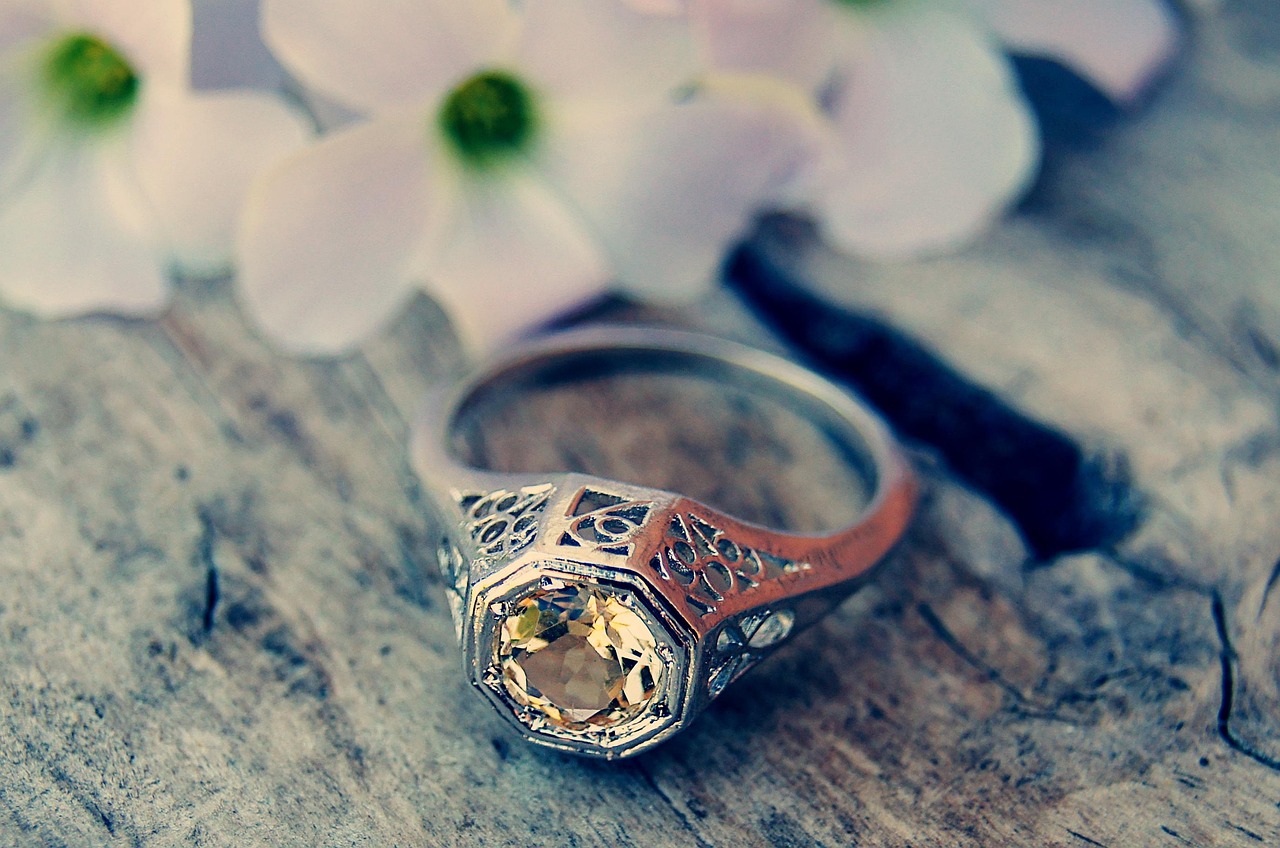
Edwardian engagement rings are known for delicacy and refined detail. This era is strongly associated with platinum and intricate filigree work that creates an airy, lace-like effect. If you love the look of fine metal threads and graceful negative space, Edwardian style is often the blueprint. Many vintage-inspired engagement rings borrow Edwardian elements—especially filigree and light, elegant frameworks—because they pair beautifully with both classic solitaires and more elaborate halos.
Art Nouveau Era
Art Nouveau is frequently discussed alongside other antique periods because it offers a distinct decorative approach. When shoppers mention Art Nouveau in the context of old-fashioned rings, they’re often looking for a sense of artistry in the metalwork and a design that feels more organic and ornamental than geometric. Art Nouveau influences can also appear in modern antique-style engagement ring designs through fluid shapes and decorative craftsmanship.
Art Deco Era (1920s–1930s)
Art Deco engagement rings are defined by geometry, symmetry, and bold structure. Expect crisp lines, architectural profiles, and shapes that feel intentional and graphic. This is also the era most often tied to stepped or angular looks—many people searching for Art Deco inspiration gravitate toward clean geometry and distinctive stone shapes such as an Asscher cut when they want that iconic vintage-meets-modern presence.
Art Deco design is also a natural match for certain setting styles: vintage halos, three-stone layouts, and structured frames that emphasize symmetry. If you like vintage style but want it to feel sleek, Art Deco is often the most “tailored” route into old-fashioned aesthetics.
Retro Era (1935–1950)
Retro engagement rings are associated with glamour and a bolder, more statement-ready feel. If Victorian feels romantic and Edwardian feels delicate, Retro often feels confident. This era is also commonly associated with colorful gemstones and a look that can accommodate larger visual presence—whether through stone size, setting presence, or a more dramatic overall silhouette. For someone who wants vintage retro style without an overly delicate ring profile, Retro-inspired design can be a compelling direction.
Design Details That Define Vintage Rings
The fastest way to recognize a vintage ring design is to look closely at the details. Many old fashioned engagement rings share a vocabulary of texture, edge work, and fine metal craftsmanship that reads as “antique” even on a brand-new ring.
Milgrain, Filigree, and Hand Engraving
These three elements show up again and again in vintage engagement rings because they add depth without requiring a massive center stone. Milgrain is the tiny beaded edging often used to outline frames, halos, and borders; it gives a soft, finished edge that immediately feels traditional. Filigree is the airy, lace-like metalwork often associated with delicate craftsmanship, especially in Edwardian-inspired looks. Hand engraving adds pattern and texture across the band or around the setting, reinforcing the impression that the ring is a miniature work of art rather than a plain mount.
Many shoppers specifically search for old fashioned engagement rings with milgrain because it reads as unmistakably vintage. When combined with filigree and engraving, the result can look intricate from every angle—top view, profile, and even the underside gallery.
Intricate Metalwork and “Interior” Details
Vintage style is often just as much about what you notice up close as what you see from across the room. Antique-style rings frequently showcase decorative touches throughout the setting—fine cutouts, lattice-like structures, and other elements that make the ring feel dimensional. This is one reason vintage engagement rings are often described as intricate: they can include thoughtful, hand-finished features that elevate the entire ring beyond the center stone.
Halos, Clusters, and Three-Stone Compositions
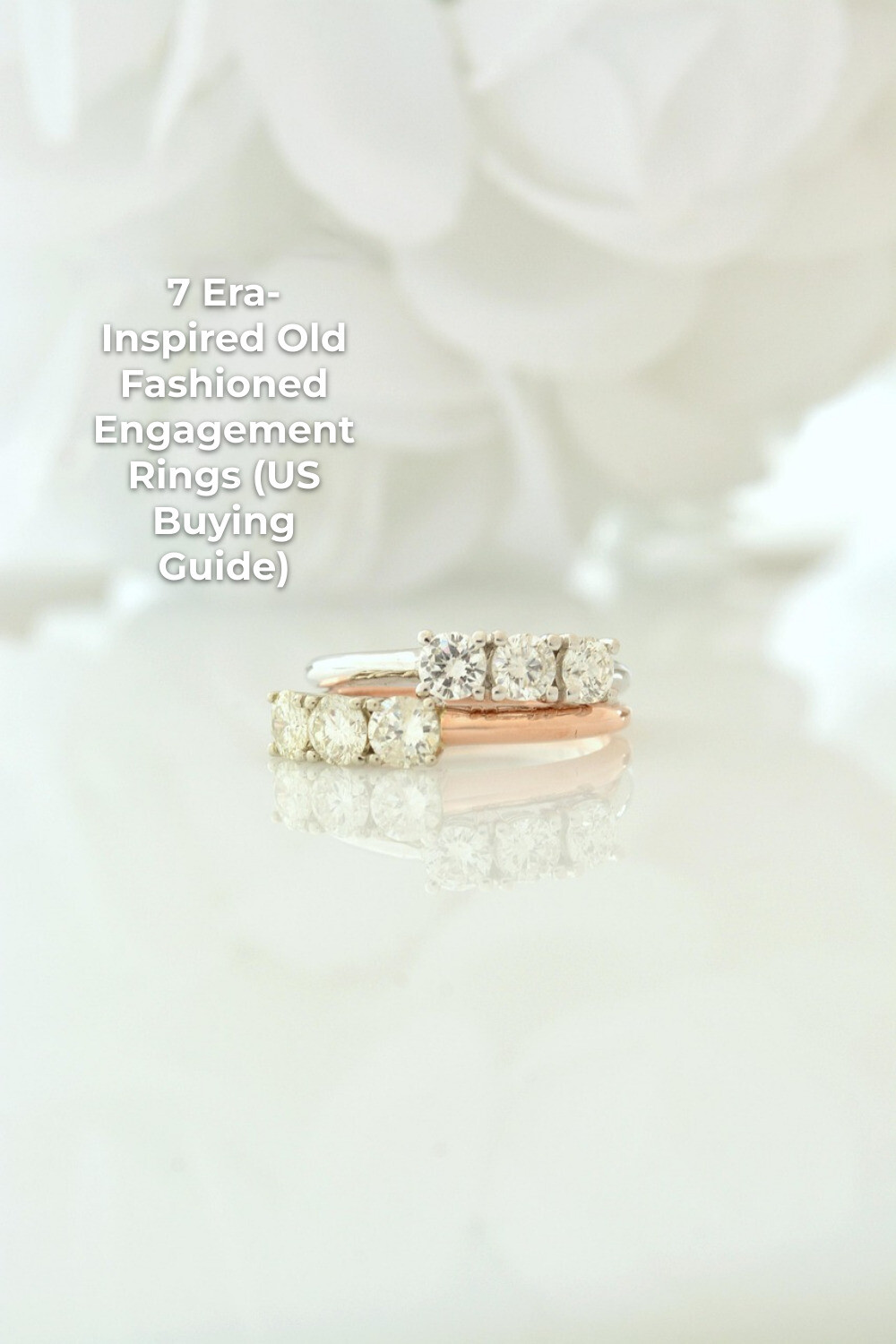
Many vintage-inspired collections emphasize layouts that have strong historical associations, including halo designs, cluster arrangements, and three-stone rings. These styles can amplify sparkle and create an “heirloom” silhouette even if the center stone is modest. A vintage halo, for example, can frame the center stone with a refined edge—especially when paired with milgrain—while a three-stone design can feel symbolic and balanced. These compositions are also frequently reinvented by modern designers to improve durability while staying faithful to antique inspiration.
The Most Characteristic Antique Diamond Cuts
Cut style plays a major role in whether a ring reads as old fashioned. Three cuts come up repeatedly in vintage and antique contexts: old European cut, old mine cut, and rose cut. These antique cut diamonds are often associated with a softer, more romantic glow compared to many modern cutting approaches, and they are especially linked with Victorian-era pieces. If you want the center stone to look period-appropriate—not just the setting—these cuts are a primary place to focus.
Materials, Stones, and Settings for an Old-Fashioned Look
Old fashioned engagement rings can be built in different ways: you can replicate a period look through metal color, the center stone choice, or the setting style—or combine all three. The best results come from choosing a few core “signals” of vintage design and making sure they work together.
Metal Choices: Yellow Gold, Rose Gold, White Gold, and Platinum
Metal color strongly influences the mood of a vintage ring. Victorian pieces are commonly associated with yellow and rose gold, which can emphasize warmth and romance. Edwardian style is often linked to platinum, especially when paired with delicate filigree. White gold can also support a vintage look when the design includes clear era-specific cues like milgrain and engraving. Many modern vintage-inspired rings offer multiple metal options so you can keep the same silhouette while tailoring the overall feel.
Stone Options: Diamonds and Colored Gemstones
Diamonds remain central to many vintage engagement ring designs, but old-fashioned style has room for colored stones as well. Victorian-era rings, in particular, are often associated with variety in gem choices, including colored gemstones alongside diamonds. If you love the idea of a ring that feels personal and distinctive, a colored center stone paired with vintage details—like milgrain edging or a cluster arrangement—can create a look that’s both historically grounded and uniquely yours.
Many buyers also weigh lab-grown vs. natural stones when choosing a vintage-inspired ring. The key is to ensure the final look matches the aesthetic you’re after: antique-style cuts, thoughtful metalwork, and period-appropriate proportions can matter as much as the origin of the stone when the goal is an old-fashioned appearance.
Setting Styles: Solitaire, Halo, Three-Stone, and Cluster
You don’t need an elaborate setting to achieve a vintage look, but the setting style will steer the final impression. Here are common setting directions that align naturally with old fashioned aesthetics:
- Solitaire: Often paired with engraving or a decorative gallery to avoid feeling too modern.
- Halo: A classic vintage-inspired structure, especially when accented with milgrain and intricate metalwork.
- Three-stone: Balanced and symbolic, frequently seen in antique-inspired collections.
- Cluster: Strongly associated with traditional looks and can feel especially Victorian in spirit.
As you compare options, pay attention to small design decisions—edge finishing, prong style, and the presence of filigree—because those are often what separate “vintage-inspired” from “simply not modern.”
How to Choose and Buy Your Vintage Ring
Shopping for old fashioned engagement rings can feel deceptively simple: you find a style you love and choose a stone. But the most satisfying purchases usually come from matching the design to your daily life and clarifying whether you want an antique original or a vintage-inspired ring made today.
Size, Comfort, and Wearability
Vintage details can add height, texture, and delicate edges—beautiful, but worth considering for comfort. Think about how the ring will feel during everyday tasks, how easily it catches on clothing, and whether the band profile suits your preferences. This is especially important for ornate halos, high-profile settings, and rings with extensive filigree. If you’re buying an antique ring, sizing may require extra consideration, so it’s wise to ask detailed questions about resizing options and how changes might affect the original design integrity.
Tip: When you try on vintage-inspired designs, evaluate the ring from the side view as much as the top view. Old-fashioned rings often have distinctive profiles, and comfort can depend on height, under-gallery shape, and how the band meets the setting.
Authenticity and Certification (GIA/IGI)
Because vintage style is so popular, reproductions and reinterpretations are everywhere. If you’re buying a diamond ring—whether antique or vintage-inspired—third-party certification can be an important trust signal. Many retailers highlight certified quality you can trust, including grading reports from recognized labs such as GIA and IGI. Certification doesn’t replace the need to evaluate craftsmanship and condition, but it can help you confirm the stone’s documented characteristics and support confidence in your purchase.
Tip: If a ring is marketed as antique-style, ask what specifically makes it era-accurate. The strongest designs usually have multiple consistent cues—milgrain, filigree, engraving, and a period-consistent silhouette—rather than a single decorative touch.
Budgeting for Antique vs. Vintage-Inspired
Budget planning starts with clarifying whether you want a true antique piece or a modern ring with antique styling. Antique rings can command a premium for uniqueness, historical value, and the specific charm of original workmanship. Vintage-inspired rings typically offer broader price-point access because they can be produced in a wider range of metals, stone sizes, and design variations. Many modern collections also provide extensive catalogs that make it easier to compare styles and pricing across a wide range of options.
Tip: Decide early whether the “old fashioned” priority is the setting, the center stone cut (old mine, old European, rose cut), or both. This helps allocate budget where it matters most for the final look.
Style and Wearing Suggestions
Vintage engagement rings can be styled in a way that feels either classic or fashion-forward, depending on how you wear them. An intricate vintage halo can look elegant with formalwear, while a simple antique-inspired solitaire with engraved details can feel effortless with everyday outfits. Some retailers even offer direct style and wearing suggestions because vintage rings often become a central, signature accessory.
Consider how the ring will pair with a wedding band, too. Old-fashioned designs can have ornate edges and distinctive contours; choosing a band that complements the ring’s shape can preserve the intended silhouette and keep the overall look cohesive.
Resale Value and Insurance Considerations
Many buyers think about heirloom potential when choosing vintage style. Whether you’re investing in an antique ring or selecting a made-to-order vintage-inspired design, it’s smart to plan for long-term ownership. Documentation such as certification (when applicable), purchase records, and any design notes from a custom build can be useful for insurance and future reference. If you’re purchasing a true antique piece, condition and the integrity of original details can also matter for long-term value perception.
Tips for Identifying a Truly “Old-Fashioned” Look
Some rings are labeled vintage but don’t look particularly antique once you see them in person. If you want a ring that reads unmistakably old fashioned, look for a consistent set of design signals instead of a single decorative feature.
- Edge finishing: Milgrain borders around halos, bezels, or frames are one of the clearest vintage cues.
- Metal artistry: Filigree, engraving, and intricate metalwork add depth that feels handcrafted and period-inspired.
- Stone choice and cut: Old European cut, old mine cut, and rose cut diamonds reinforce a historically rooted look.
- Era coherence: The overall silhouette should align with a recognizable era—Victorian romance, Edwardian delicacy, Art Deco geometry, or Retro glamour.
- Craftsmanship emphasis: Designs positioned as heirloom-worthy often highlight durability and careful construction alongside beauty.
Tip: If you love vintage details but worry about being too ornate, choose one signature element as the “hero” (for example, milgrain) and keep the rest of the design cleaner. You’ll still get an old-fashioned impression without overwhelming the hand.
Design Your Own Old-Fashioned Ring (Made-to-Order)
If you’ve found elements you love but can’t find them combined in one ring, customization can be the most direct path. Many studios offer made-to-order or bespoke vintage ring design services that start with a consultation and guide you through era selection, setting style, and finishing details. Custom work is especially common in vintage-style categories because the aesthetic often depends on nuanced proportions: the width of milgrain, the pattern of engraving, or the geometry of an Art Deco-inspired frame.
Customization can also help you balance period beauty with everyday practicality. Some buyers want the look of antique filigree but prefer a structure built for durability. Others want a vintage sparkle feel—like a halo or three-stone ring—while keeping the overall profile comfortable and secure.
A Practical Custom Workflow You Can Follow
Even though each jeweler’s process differs, most custom vintage engagement ring projects can be approached with a clear sequence that keeps decisions manageable.
- Choose an era direction: Victorian, Edwardian, Art Nouveau, Art Deco, or Retro as your primary inspiration.
- Select a setting type: Solitaire, halo, three-stone, or cluster based on the look you want and how you’ll wear it.
- Pick signature details: Milgrain, filigree, hand engraving, or intricate interior metalwork.
- Decide on stone personality: Diamond vs. colored gemstone; antique cut diamonds if you want period authenticity in the sparkle.
- Confirm comfort priorities: Height, band width, and how ornate details sit against neighboring fingers.
Tip: When commissioning a vintage-inspired ring, ask to see how the ring will look from multiple angles, not just top-down. Old-fashioned design is often about the profile and the metalwork beneath the center stone as much as the face-up view.
Care and Maintenance for Vintage Rings
Old fashioned engagement rings often include fine details—milgrain edges, engraved patterns, and filigree—that deserve thoughtful care. Antique pieces may also have age-related wear that makes maintenance even more important. The goal is to preserve both beauty and structural integrity, especially around delicate metalwork and any hand-set accent stones.
Cleaning and Storage
Intricate vintage settings can collect residue more easily than simpler designs because there are more grooves, openings, and textured surfaces. Regular gentle cleaning helps keep details crisp and maintains sparkle. Storage matters as well: keeping the ring protected helps prevent unintentional abrasion to engraved surfaces and minimizes snagging risks for filigree-heavy styles.
Tip: If your ring has extensive filigree or milgrain, check it periodically under good light. Small changes in texture can be easier to spot early, before they become more noticeable.
Professional Checkups and Restoration
Whether the ring is antique-original or vintage-inspired, professional maintenance can help preserve longevity—especially for rings positioned as heirloom-worthy. Jewelers can assess stone security, check the integrity of delicate metalwork, and advise on any restoration needs. If you own a true antique ring, restoration decisions should be made carefully to avoid stripping away the very details that give the ring its period charm.
Practical Pitfalls to Avoid When Shopping Vintage Style
Vintage style is popular, and that means the market includes everything from faithful reproductions to rings that borrow the label without delivering the look. Staying alert to common pitfalls can save you money and help you choose a ring you’ll love long-term.
- Buying “vintage” without defining the era: Without an era reference, you may end up with a mix of details that doesn’t feel cohesive.
- Ignoring comfort and wearability: Ornate settings can be stunning but may not fit every lifestyle if the profile is high or the details are delicate.
- Assuming antique-style means antique: Many modern rings are intentionally vintage-inspired; clarify what you’re purchasing.
- Skipping trust signals for diamonds: When applicable, look for recognized certification such as GIA or IGI and clear quality documentation.
- Over-prioritizing one detail: A single milgrain edge won’t automatically make a ring look old-fashioned if the rest of the design reads modern.
Tip: If you’re torn between two styles, choose the one whose design features you can describe clearly (for example, “Edwardian filigree in platinum” or “Art Deco geometric halo”). If you can name what makes it vintage, you’re more likely to love it years later.
Finding Your Timeless Ring
The best old fashioned engagement rings don’t just imitate the past—they translate it. Whether you fall for Victorian warmth, Edwardian filigree, Art Deco geometry, or Retro glamour, focus on consistent design cues: milgrain edges, intricate metalwork, hand engraving, and antique-inspired stone cuts like old European cut, old mine cut, or rose cut. Then balance those details with practical priorities like comfort, certification, and long-term care.
If you want maximum control over the final look, consider a made-to-order or custom vintage engagement ring process that lets you blend era inspiration with modern wearability. If you prefer instant character and history, explore antique options while asking careful questions about sizing, condition, and documentation. Either way, vintage style has a unique strength: it’s designed to last—visually, emotionally, and often physically—so the ring you choose can feel like an heirloom from the very beginning.
FAQ
What’s the difference between antique engagement rings and vintage-inspired engagement rings?
Antique engagement rings are original pieces from historical periods, while vintage-inspired engagement rings are newly made rings designed to replicate antique-era details such as milgrain, filigree, hand engraving, and period silhouettes.
Which eras are most associated with old fashioned engagement rings?
The most commonly referenced eras include Victorian (1837–1901), Edwardian (1901–1915), Art Nouveau, Art Deco (1920s–1930s), and Retro (1935–1950), each with distinct hallmarks like romantic ornamentation, delicate filigree, geometric structure, or glamorous statement styling.
What does milgrain mean, and why is it popular in vintage rings?
Milgrain is a tiny beaded edge detail used to outline settings and borders, and it’s popular in old fashioned engagement rings because it creates an immediately traditional, finished look that pairs well with halos, frames, and engraved designs.
What diamond cuts look most “antique” in an old-fashioned ring?
Old European cut, old mine cut, and rose cut diamonds are strongly associated with vintage and antique styles, especially in Victorian-era contexts, and they’re often chosen to reinforce a period-appropriate look beyond just the setting design.
Are colored gemstones appropriate for old fashioned engagement rings?
Yes—vintage and antique contexts, particularly Victorian-era styles, are often associated with variety in gemstone choices, including colored stones used alongside or instead of diamonds in solitaires, clusters, and other traditional layouts.
How can I verify quality and authenticity when buying a vintage-style diamond ring?
Look for clear documentation and recognized diamond certification where applicable, such as grading reports from GIA or IGI, and ask specific questions about what makes the design era-accurate (for example, filigree workmanship, milgrain finishing, and period-consistent structure).
Do vintage-style rings work for everyday wear?
They can, but it’s important to consider comfort and wearability, especially with ornate halos, high-profile settings, and delicate filigree; modern vintage-inspired rings are often designed to capture antique beauty while improving durability for daily use.
Is a custom vintage engagement ring worth considering?
Custom can be a great option if you want to combine specific era details—such as Art Deco geometry with milgrain or Edwardian filigree with a particular setting style—while tailoring metal, stone choice, and proportions for your budget and lifestyle.
What are common mistakes people make when shopping for old fashioned engagement rings?
Common pitfalls include buying “vintage” without identifying an era, focusing on a single detail instead of a cohesive design, overlooking comfort and profile height, assuming antique-style is the same as antique, and skipping important trust signals such as diamond certification when it applies.
Leave a Reply