Blog

  • 7 Expert Tips for Two Tone Engagement Rings in the US

    7 Expert Tips for Two Tone Engagement Rings in the US

    Two Tone Engagement Rings: A Modern Guide to Mixing Metals for Your Dream Ring

    Two tone engagement rings have become a go-to choice for couples who want the best of both worlds: the warmth of gold and the brightness of white metals in one cohesive design. By combining two distinct metal colors in a single ring, these mixed metal engagement rings create contrast, highlight center stones, and make it easier to pair an engagement ring with different wedding bands and everyday jewelry.

    This guide breaks down what a two-tone engagement ring is, the most common metal pairings, popular styles and settings, stone options that shine in mixed-metal designs, and practical considerations like durability, care, customization, and what to ask a jeweler before you buy. You’ll also find inspiration ideas and a comprehensive FAQ to help you choose with confidence.
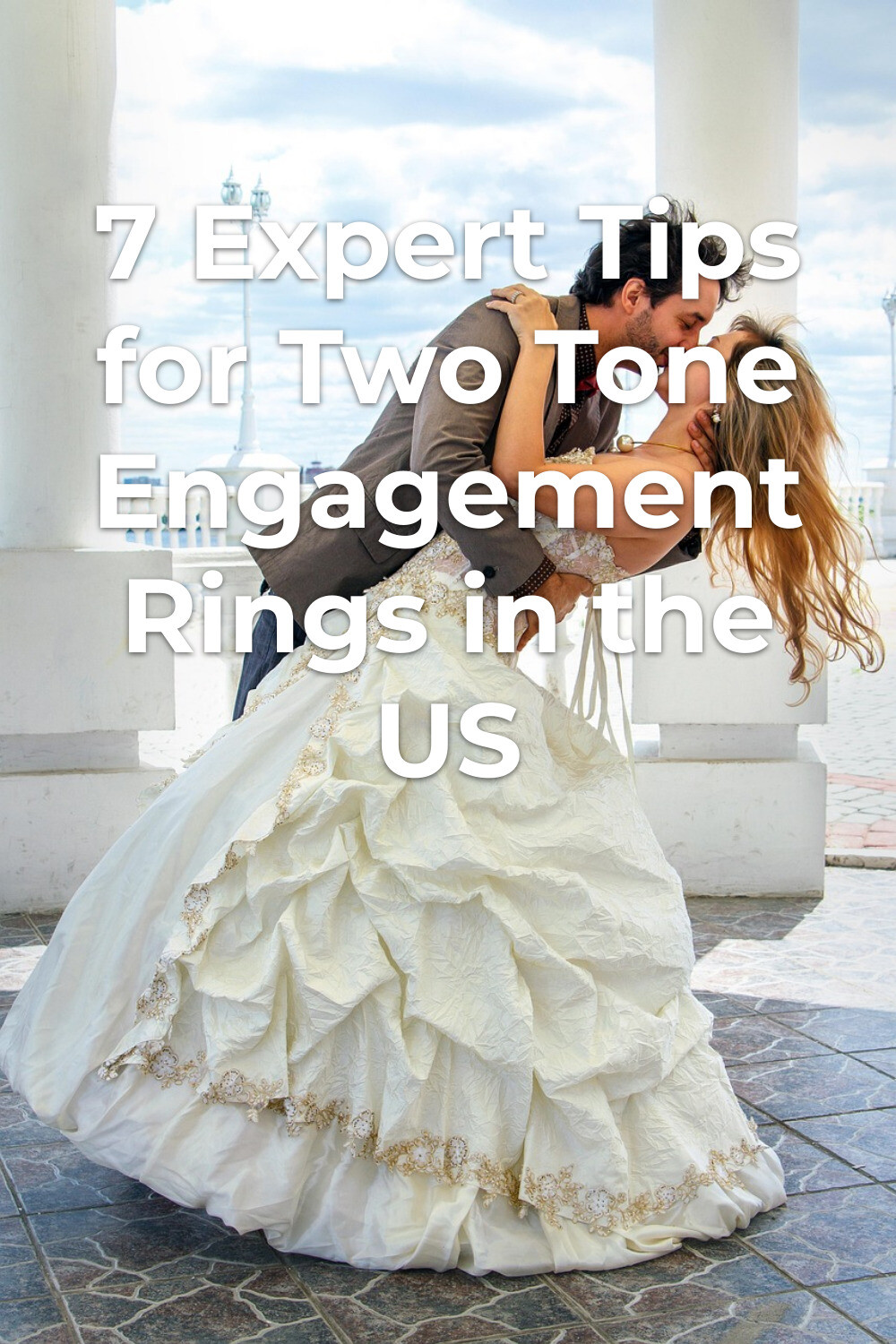
    Two tone engagement rings shine as a groom kisses his bride in a romantic outdoor dip between white columns.
    Between grand white columns, the groom dips and kisses his bride, a reassuring moment that feels timeless.

    What Is a Two Tone Engagement Ring?

    A two tone engagement ring (also called a mixed metal, bi-metal, or dual-tone engagement ring) is a ring made with two distinct metal colors in one design. The most recognizable look is a gold band paired with a white metal head or prongs, but two-tone can also mean alternating metal sections, mixed-metal halos, or design details that intentionally contrast.

    The visual effect is the point: two metals create definition. A warmer band can feel classic and romantic, while a brighter head can emphasize the center stone and keep the overall look crisp. Many shoppers also love two-tone settings because they can bridge different style preferences—especially when one partner prefers yellow gold and the other gravitates toward white gold or platinum.
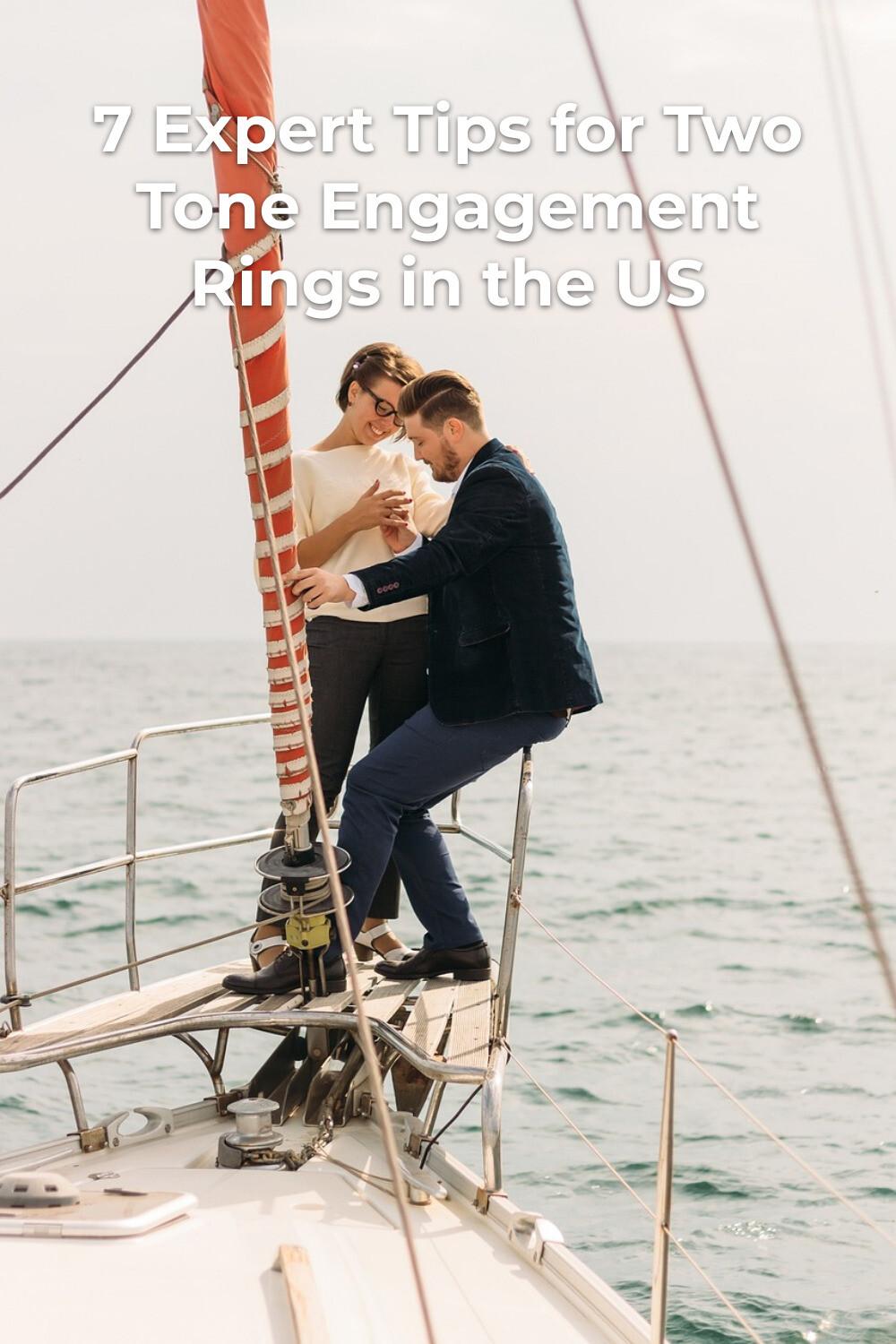
    Two tone engagement rings proposal on a sailboat deck, man kneeling as woman stands by the sea
    On a quiet sailboat deck, he kneels with her hand in his, the sea behind them lending a reassuring calm.

    Common Two-Tone Metal Pairings—and How They Work

    Two-tone designs often focus on contrast: a warmer metal for the shank (band) and a cooler metal for the prongs or setting. While there are many variations, most shoppers compare a few core pairings and then decide based on the look, how they plan to stack wedding bands, and how much contrast they want around the center stone.

    Yellow Gold + White Gold

    Yellow gold and white gold is one of the most classic two-tone combinations. The yellow gold band reads traditional and rich, while a white gold head or prongs keeps the center stone visually bright and “blended” into the diamond or light-colored stone. This pairing is especially common in designs where the shopper wants a yellow gold band but prefers the center stone to appear framed by a white metal.

    Tip: If you love yellow gold but worry about the setting looking too warm against a bright center stone, consider a yellow band with white prongs. It’s a balanced, high-contrast look that feels easy to wear and straightforward to pair with many wedding band styles.

    Rose Gold + White Gold

    Rose gold and white gold creates a softer contrast than yellow-and-white, with a romantic, modern edge. Many shoppers choose this pairing when they want the ring to feel distinctive without leaning too bold. A rose gold band can add warmth and personality, while the white head/prongs can help keep the center stone looking crisp and luminous.

    Tip: If you’re unsure whether rose gold is “too pink,” try it as the band with a white metal setting. This can keep the ring looking refined while still giving you that unmistakable blush tone in the overall silhouette.

    Platinum + Gold (Any Color)

    Platinum and gold two-tone rings are often chosen for the combination of contrast and confidence in the setting area. A platinum head or platinum prongs paired with a gold band (yellow or rose) is a popular approach in two-tone engagement ring settings because the white metal creates a clean visual around the stone and the gold band delivers warmth and tradition.

    Tip: If you want a mixed-metal look but prefer the most visually “quiet” setting around a bright center stone, consider platinum prongs with a gold band. This approach is also commonly considered by shoppers who focus on long-term wear and the integrity of the prongs over time.
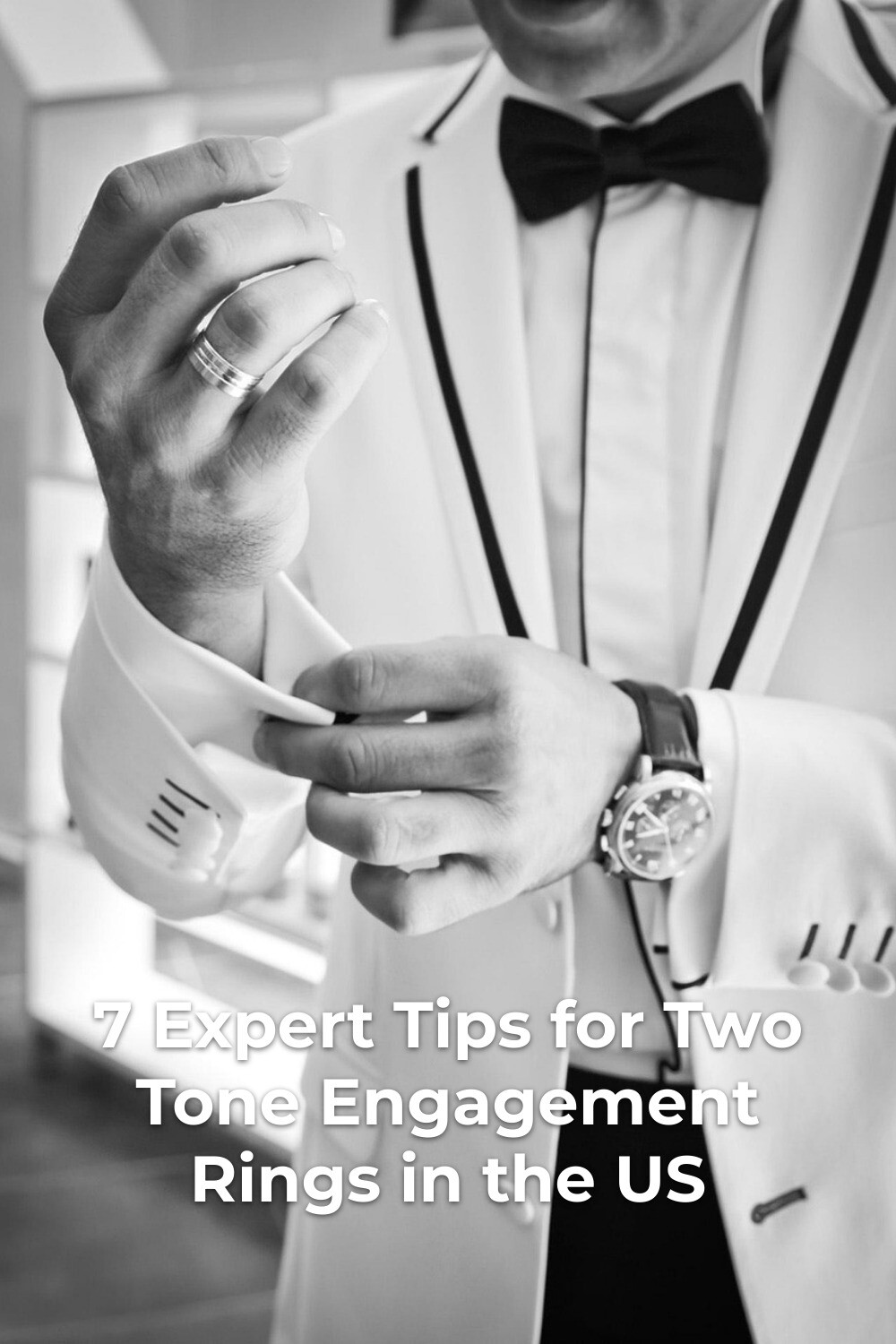
    Two tone engagement rings: man in white tuxedo adjusts cuff, showing ring and wristwatch
    A groom in a crisp white tuxedo adjusts his cuff, subtly highlighting a two tone engagement ring beside a classic wristwatch.

    Design Options: Styles, Shapes, and Settings That Shine in Two-Tone

    Two-tone engagement rings aren’t one style—they’re a design approach that can show up in everything from minimalist solitaires to ornate vintage-inspired designs. Many brands and retailers present two-tone as a filterable category because it can be applied across collections and setting types.

    Classic Solitaires in Two-Tone

    Two-tone solitaire settings are among the easiest to love and the easiest to style. The contrast can be subtle (a white head on a yellow band) or more pronounced (mixed-metal design details along the band). A two-tone solitaire is often the best entry point if you want a timeless ring with just enough differentiation to stand out.

    • Clean contrast: A warm band paired with a bright head draws the eye to the center stone.
    • Simple stacking: Solitaires often pair easily with wedding bands, including mixed-metal stacks.
    • Flexible styling: The ring can coordinate with both yellow gold and white metal jewelry.

    Three-Stone and Halo Two-Tone Rings

    Two-tone designs can add dimension to more elaborate settings like three-stone rings and halos. In these styles, the metal contrast can help outline the setting architecture and create definition between the center stone and the surrounding stones. Shoppers often choose two-tone halo or two-tone three-stone designs when they want detail without committing to a fully ornate single-metal look.

    Tips for evaluating this style: Pay attention to which part is white metal and which part is warm metal. A white halo can visually “lift” brightness around the center stone, while a warm band keeps the overall look grounded and classic.

    Toi et Moi and Other Mixed-Style Two-Tone Designs

    Editorial-inspired styles, including toi et moi rings, also translate beautifully into two-tone. A dual-stone design already makes a statement, and mixing metals can amplify the contrast while keeping the ring cohesive. For shoppers drawn to unique silhouettes—floral motifs, Art Deco influences, and vintage-inspired geometry—two-tone can provide structure and visual separation between design elements.

    Tip: If you’re choosing a statement design, decide what you want to be the focal point: the stones, the setting detail, or the metal contrast. The best two-tone designs use contrast intentionally rather than adding a second metal “just because.”
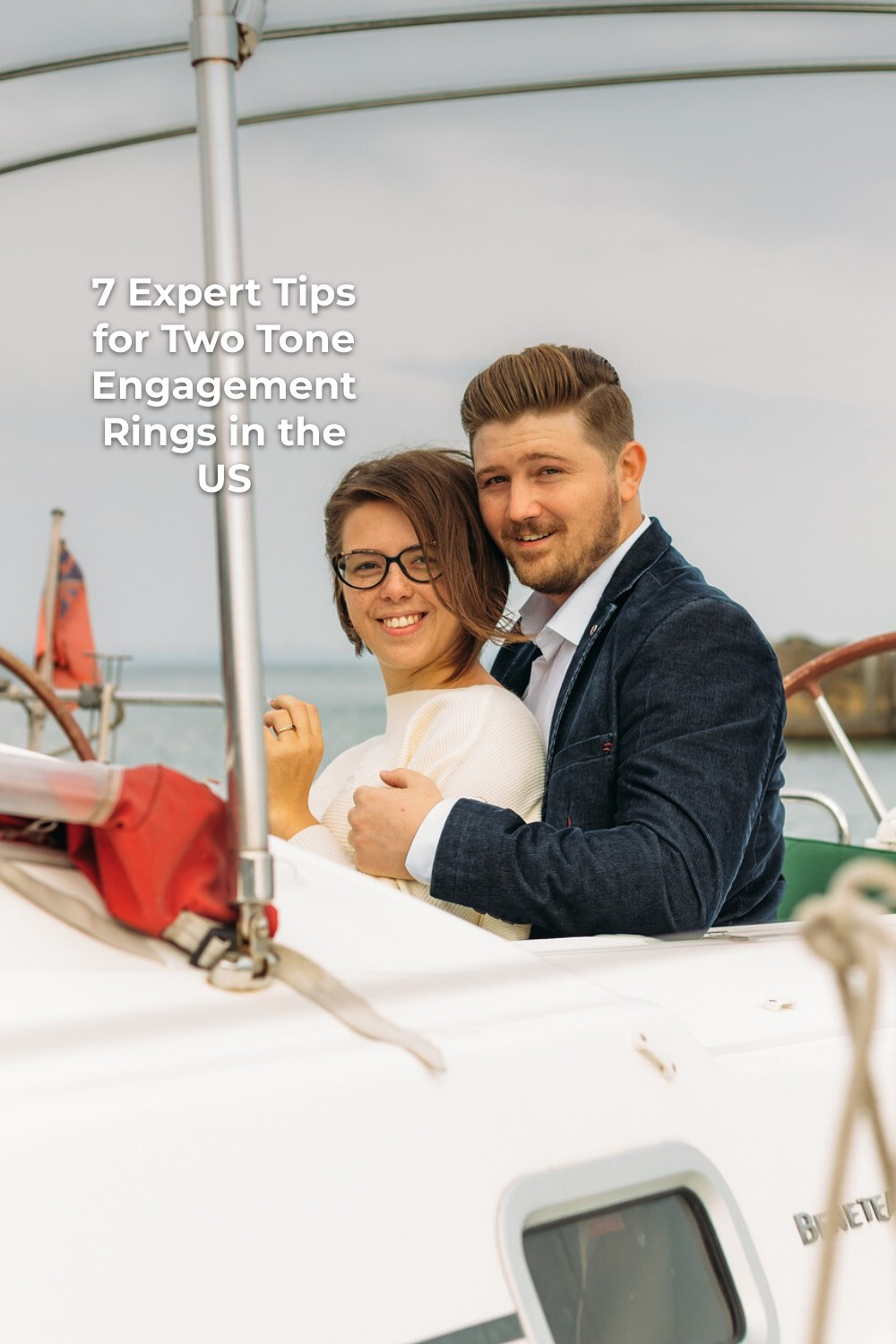
    Two tone engagement rings moment as a couple hugs on a boat with calm water behind them
    Wrapped in a reassuring embrace on the boat, the couple savors a quiet moment against the water’s calm backdrop.

    Stone Options to Pair with Two-Tone Settings

    Two-tone settings are popular with diamond shoppers, and they’re also frequently considered for alternative stone choices. Many buyers look for guidance on how metal color affects a stone’s appearance and how prong color can influence the overall look from the top view.

    Diamond Brilliance with Platinum or White Metal Prongs

    A common two-tone strategy is pairing a warm band with platinum prongs or a white gold head. The idea is straightforward: keep the visual around the diamond bright and neutral, while still enjoying the color and personality of yellow or rose gold on the band. This is one reason many two-tone ring designs focus the white metal on the prongs and the head—those elements sit closest to the center stone.

    Tip: When comparing similar designs, ask to see a top-down view. In many two-tone engagement ring settings, the “face-up” look is influenced heavily by the head/prongs, while the band color becomes more noticeable from side angles.

    Moissanite and Lab-Grown Diamond Two-Tone Rings

    Two-tone settings are commonly offered across a range of center stone choices, including moissanite and lab-grown diamonds. Buyers who choose these stones often still want the same benefits: a bright, clean look around the stone combined with a warm band that fits their overall jewelry style. Two-tone can also support customization, letting you choose a setting configuration that complements the stone you select.

    Tip: If customization is part of your plan, decide early whether you want the prongs to match the band or the center stone’s “bright” look. Many shoppers find that choosing prong color is the decision that most affects the final aesthetic.

    Colored Stones for Colorful Two-Tone Rings

    Colored stone engagement rings can be especially striking in a two-tone setting because you can use metal contrast to frame the color. A white metal head can keep the look crisp and structured, while a yellow or rose band can add warmth and a romantic feel. This approach is also a way to create a unique, personal look without relying solely on an intricate setting style.

    Tip: For colored stones, consider whether you want the metal to echo the stone’s tone (a warmer band for a warm palette) or to create a deliberate contrast (a white head to emphasize clean edges and brightness).

    Durability, Care, and Longevity of Two-Tone Rings

    Two tone engagement rings are designed for everyday wear, but they do introduce a practical question: how do different metals wear together over time? Many pages that sell two-tone rings include general reassurance and brief care notes, but shoppers benefit from a clearer, more inspection-based approach: understand where the metals meet, which metal is used for the prongs, and how the finish will look after months and years of wear.

    Caring for Gold and Platinum Combinations

    If your ring combines gold with platinum or white gold, treat it like a fine piece of daily jewelry: keep it clean, protect it from hard knocks, and maintain the prongs. Because two-tone rings can include multiple finishes and junction points, it’s smart to keep routine maintenance simple and consistent, and to let a professional handle deeper polishing if you’re concerned about preserving the crisp contrast between metals.

    • Clean gently and regularly so buildup doesn’t dull the contrast between metal colors.
    • Pay extra attention to the head and prongs, since they hold the center stone.
    • Remove the ring when appropriate to reduce avoidable wear, especially during hands-on activities.

    Common Wear, Maintenance, and Repairs

    Over time, the most noticeable changes in a two-tone ring tend to show up in high-contact areas like the bottom of the band and around the setting. The key is to keep the ring’s structure secure and the design looking intentional. Many two-tone shoppers also choose the style specifically because the band and head can be optimized for both look and function—warm metal for the band aesthetic and a bright metal for the center setting.

    Tip: When you try on rings, run your eyes along the transition points where the metals meet. A well-executed two-tone design looks seamless, with the contrast feeling like part of the architecture rather than an afterthought.

    Buyer’s Guide: How to Choose Your Two Tone Engagement Ring

    Two-tone rings appeal to a wide range of shoppers—from those who want a timeless solitaire with a twist to those looking for intricate, editorial styles. The best way to choose is to work from a few practical factors: the look you want from the top view, the jewelry you already wear, your wedding band plans, and whether customization matters to you.

    Start With the “Top View” vs. “Side View” Look

    Many two-tone settings are designed so that the head/prongs are one metal and the band is another. That means the top view can read more “white” (because you mainly see the head and prongs), while the side view shows more of the warm band. Knowing which view matters most to you helps you decide where the contrast should live.

    • If you want a bright, classic face-up look, prioritize white metal for the head and prongs.
    • If you want the mixed-metal effect to be obvious at a glance, look for designs with visible contrast in the band or gallery.
    • If you want subtlety, choose a design where the second metal is used mainly in functional areas (like prongs).

    Plan for Your Wedding Band (and Future Stacks)

    One of the biggest advantages of two tone engagement rings is pairing flexibility. A mixed-metal engagement ring can make it easier to wear a wedding band in either yellow gold, white gold, rose gold, or even a mixed-metal band without the set looking mismatched. If stacking is part of your long-term plan, choose a two-tone design that feels like a bridge between the metals you love most.

    Tip: If you’re undecided on wedding band metal, a two-tone engagement ring can keep options open. Consider trying bands in both metal families next to the ring to see which combination feels most “you.”

    Customization: What It Can Solve (and What to Decide Early)

    Many retailers and brands highlight customization as a core way to shop two-tone. Customization can help you control the exact metal placement (band vs. head vs. accents), choose a style family (solitaire, halo, three-stone, toi et moi), and align the design with your center stone choice. The most important thing is to decide which elements must be which metal—especially the prongs and head—because that choice often defines the ring’s final character.

    • Decide whether you want the prongs to be white metal for a bright, blended look around the stone.
    • Choose how visible you want the second metal to be from the top view.
    • Confirm whether you want two-tone to be structural (band + head) or decorative (accents and details).

    Questions to Ask Your Jeweler Before You Buy

    Two-tone rings are not inherently complicated, but you’ll get a better outcome if you ask a few direct questions. This helps ensure the ring is designed for everyday wear and that the contrast you love in the showroom translates to your real life.

    • Which parts of the ring are each metal (band, head, prongs, halo, accents)?
    • Can the ring be made with platinum prongs or a platinum head if desired?
    • How should the ring be cleaned and maintained to preserve the two-tone contrast?
    • What wedding band styles pair best with this specific two-tone setting?
    • Is customization available if you want to adjust where the second metal appears?

    Fashion and Symbolism: What Two-Tone Rings Communicate

    Many shoppers are drawn to two-tone rings not just for practicality, but for what the design represents. The contrast between metals can symbolize unity, balance, and harmony—two distinct elements coming together as one. That meaning can feel especially personal for couples blending different tastes, family traditions, or aesthetic preferences.

    Unity and Balance in a Single Design

    Two-tone engagement rings can feel like a visual metaphor: different colors, one ring. Some people interpret the look as a modern twist on timeless jewelry—honoring tradition (classic gold) while embracing contemporary preferences (white metals and clean, bright settings). If meaning matters to you, two-tone can be a subtle way to tell a story without requiring a highly ornate design.

    Tip: If symbolism is part of your decision, choose a two-tone design where both metals are clearly intentional and visible in the parts of the ring you’ll notice most often. That keeps the “two becoming one” feeling present in daily wear.

    Gender-Neutral and Unisex Appeal

    Mixed-metal designs can also read more neutral and versatile, especially for shoppers who want a ring that doesn’t feel strongly tied to one traditional metal preference. Because two-tone can be subtle or bold, it supports a wide range of personal styles—minimal, classic, editorial, or vintage-inspired—without forcing the wearer into a single “gold family.”

    Gallery of Two-Tone Engagement Ring Inspirations (What to Look For)

    Instead of focusing on one “best” ring, it helps to build a short list of design directions and then compare them side-by-side. Two-tone shows up across many collections and settings, so knowing the main inspiration categories makes shopping faster and more confident.

    • Yellow band + white prongs solitaire: A timeless mixed-metal look with a bright, classic face-up view.
    • Rose band + white head: Romantic and modern, with soft warmth balanced by a crisp setting.
    • Platinum prongs + gold band: A high-contrast approach many shoppers associate with a confident, enduring setting style.
    • Two-tone halo: A bright outline around the center stone paired with a warm band for depth.
    • Two-tone three-stone: Contrast used to define the center and side stones, creating structure and dimension.
    • Toi et moi two-tone: A statement silhouette amplified by mixed metals for extra visual interest.
    • Vintage-inspired two-tone: Detailed design language paired with contrast to highlight the setting’s craftsmanship.
    • Art Deco-inspired two-tone: Geometry and bold lines that benefit from crisp metal separation.

    Tip: When you save inspiration images or try rings on, label what you like in plain terms: “white prongs,” “yellow band,” “visible two-tone from top,” “halo is white,” or “contrast is only on the side.” Those notes help you quickly narrow down settings that match your priorities.

    Two-Tone Engagement Ring Shopping Tips (Quick, Practical, and High-Impact)

    Two-tone shopping is easiest when you treat it like a set of small decisions rather than one big leap. These tips are meant to reduce overwhelm and help you compare rings that may look similar online but wear differently in real life.

    Tip: Choose Your “Anchor Metal” First

    Decide which metal you want to dominate the ring’s look—this is usually the band. If you already wear mostly yellow gold or mostly white metals, let that preference guide your anchor metal. The second metal can then be used strategically in the head, prongs, halo, or accents.

    Tip: Be Specific About Where the Two-Tone Appears

    Two-tone can be structural (band vs. head), decorative (accents), or both. If you want a subtle mixed-metal ring, choose a design where the contrast is concentrated in functional areas like the prongs. If you want a clear mixed-metal statement, look for designs where the second metal is visible in the band details or overall setting architecture.

    Tip: Make Wedding Band Compatibility Part of the Try-On

    Even if you’re not buying a wedding band today, treat compatibility as part of the engagement ring decision. Two tone engagement rings often make this easier, but specific settings can still influence how a band sits next to the ring. Ask to try on a few band styles in different metals to confirm the look you want.

    Tip: Use a Shortlist, Not an Endless Scroll

    Because so many catalogs offer two-tone filters, it’s easy to see hundreds of options and feel stuck. Create a shortlist of three to five ring styles (for example: two-tone solitaire, two-tone halo, two-tone three-stone) and compare only those categories until you feel clarity. Then refine by center stone shape, visible contrast, and customization options.
    Woman in black top leaning on stone column under wooden roof, looking up; two tone engagement rings inspiration
    A woman in a black top leans against a stone column beneath a wooden roof, gazing upward with calm reassurance.

    FAQ

    What is a two tone engagement ring?

    A two tone engagement ring is a ring that combines two distinct metal colors in one design, such as a yellow gold band with a white gold or platinum head and prongs. It’s also commonly called a mixed metal or bi-metal engagement ring.

    Are two tone engagement rings durable for everyday wear?

    Two-tone engagement rings are made for everyday wear, but durability depends on how the setting is constructed and how the prongs and head are designed. Pay special attention to the head and prongs since they secure the center stone, and follow a consistent care and maintenance routine.

    What are the most popular metal combinations for two-tone rings?

    Common pairings include yellow gold and white gold, rose gold and white gold, and platinum with gold (yellow or rose). Many shoppers choose a warm metal for the band and a white metal for the head or prongs to create contrast and keep the center stone looking bright.

    Why do people choose white prongs with a yellow gold band?

    White prongs on a yellow gold band are popular because they create a bright, clean look around the center stone while keeping the warmth of yellow gold on the band. This can make the diamond or light-colored stone appear visually crisp from the top view.

    Are two tone engagement rings trendy or timeless?

    Two-tone rings can be either, depending on the setting style you choose. A two-tone solitaire often reads timeless, while bolder designs like toi et moi, ornate halos, or vintage-inspired details can feel more fashion-forward while still benefiting from the contrast of mixed metals.

    What gemstones work best with two tone engagement ring settings?

    Two-tone settings are frequently chosen for diamonds and are also common for moissanite, lab-grown diamonds, and colored stones. Many buyers like using a white metal head or prongs to keep the area around the center stone bright, while choosing yellow or rose gold for the band to add warmth and personality.

    Can I customize a two tone engagement ring?

    Yes, customization is commonly offered for two-tone designs, allowing you to choose where each metal appears (such as the band, head, prongs, halo, or accents). Deciding early on prong and head metal is especially important because it strongly influences the ring’s overall look.

    How do I care for a two tone engagement ring?

    Keep the ring clean so buildup doesn’t reduce the visible contrast between metals, and focus on the head and prongs since they hold the center stone. For deeper polishing or if you’re concerned about maintaining crisp two-tone separation, ask a jeweler about professional cleaning and maintenance.

    Do two tone engagement rings pair well with different wedding bands?

    Two-tone engagement rings are often chosen specifically because they can pair well with a wider range of wedding band metals, including yellow gold, white gold, rose gold, or mixed-metal bands. The best match depends on the engagement ring’s shape and how the setting sits next to a band.
  • 7 Era-Inspired Old Fashioned Engagement Rings (US Buying Guide)

    7 Era-Inspired Old Fashioned Engagement Rings (US Buying Guide)

    Old Fashioned Engagement Rings: A Modern Guide to Vintage Style and How to Choose Yours

    Old fashioned engagement rings have a way of feeling both romantic and intentional. Whether you’re drawn to delicate filigree, tiny beaded milgrain edges, or the softer glow of antique-style diamond cuts, “old fashioned” usually signals one thing: a design that prioritizes character and craftsmanship over fleeting trends. Today, you can find everything from true antique engagement rings to modern vintage-inspired engagement rings that recreate period details while using contemporary materials, settings, and quality standards.

    This guide breaks down what “old fashioned” can mean, how to recognize era-specific details, and how to choose a ring that fits your lifestyle and budget. You’ll also find practical tips on comfort, certification, customization, and care—because vintage style should be as wearable as it is beautiful.

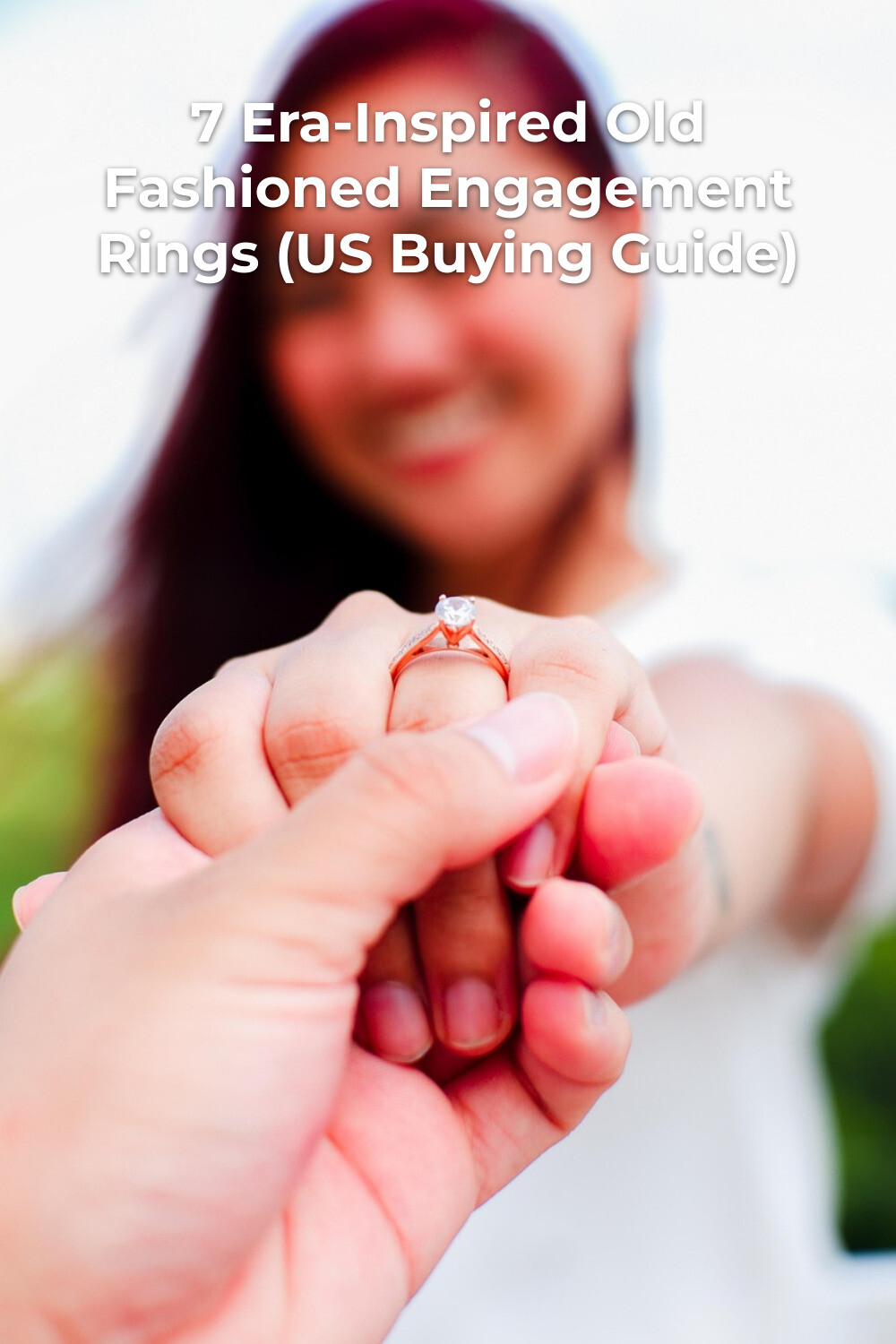
    Old fashioned engagement rings on a woman's hand as a couple in sweaters holds hands outdoors
    Hand in hand outdoors, their cozy sweaters and vintage-style ring capture a quietly nostalgic romance.

    What Does “Old Fashioned” Mean in Engagement Rings?

    “Old fashioned” is often used as an umbrella term for rings that look like they come from another time. In practice, it can refer to antique engagement rings (genuinely older pieces from historical periods) or vintage-inspired engagement rings (new rings made to capture the look and feel of antique design). Many shoppers use related phrases like vintage engagement rings, antique-style engagement ring designs, and heirloom-worthy engagement rings to describe the same overall aesthetic.

    One reason this category stays popular is that vintage design offers recognizable signatures—intricate metalwork, hand-applied textures, and distinctive silhouettes. Even when the ring is newly made, those details can evoke the romance of Victorian, Edwardian, Art Nouveau, Art Deco, or Retro eras, while allowing you to choose modern options for durability and daily wear.

    Vintage vs. Antique vs. Vintage-Inspired

    These terms get mixed together, so it helps to separate them. Antique engagement rings are original pieces tied to a historical timeframe and commonly associated with era-specific traits like certain metals and older diamond cuts. Vintage-inspired engagement rings are modern rings that replicate those antique cues—milgrain, filigree, hand engraving, halo and cluster compositions, and era-appropriate geometry. Both can be “old fashioned,” but they often differ in how customizable they are, how easily they can be sized, and how they fit into modern expectations for certification and long-term wear.

    Why Old-Fashioned Designs Still Feel Current

    Old-fashioned rings don’t rely on novelty; they rely on design language that has already stood the test of time. Details like hand-set accent stones, lace-like filigree, and beaded milgrain borders add dimension that’s easy to appreciate up close. Many modern jewelers also reinterpret vintage motifs to improve durability and comfort, creating rings that feel heirloom-worthy from day one while still fitting contemporary lifestyles.

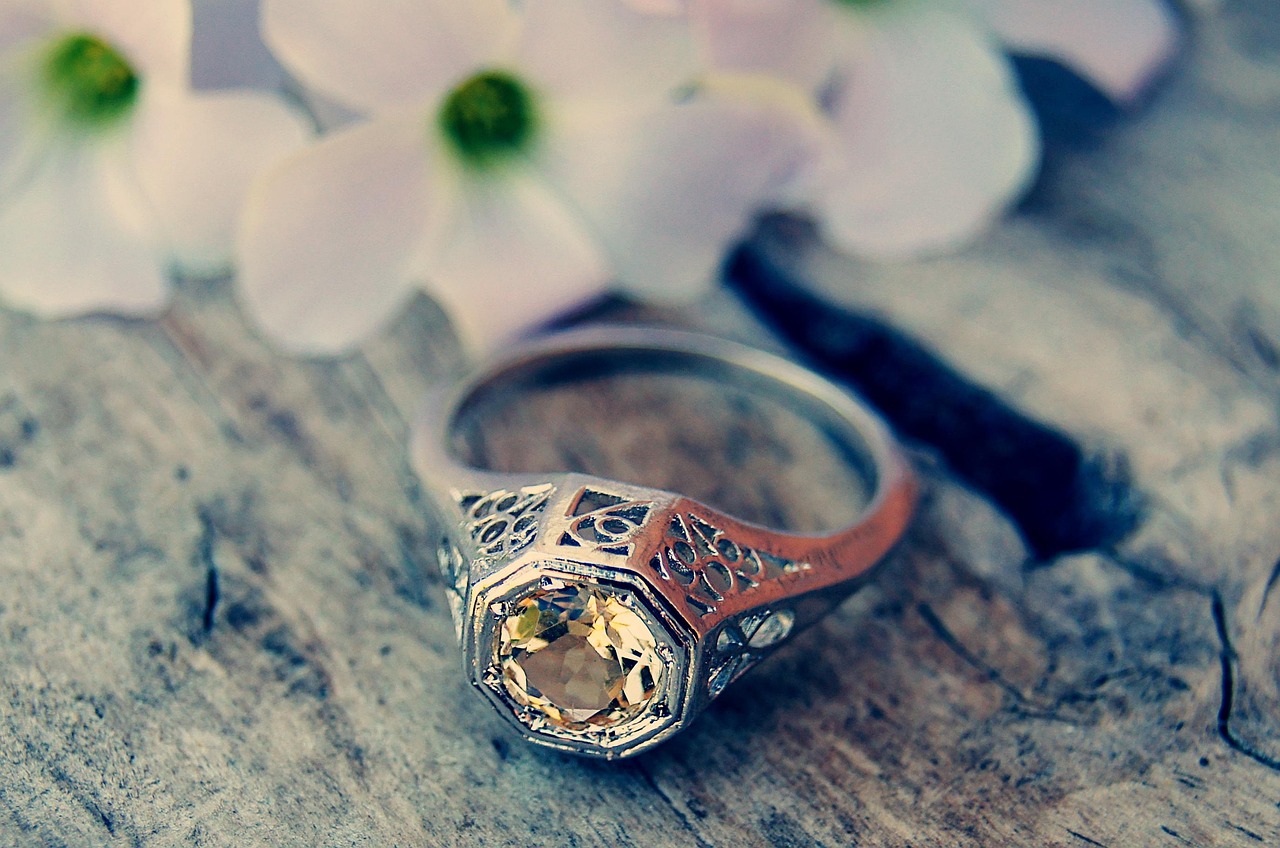
    Old fashioned engagement ring with clear stone held in hand, blurred woman in background
    A clear-stone old fashioned engagement ring is held gently in the foreground as a softly blurred figure lingers behind.

    Popular Eras and Their Hallmarks

    When people picture old fashioned engagement rings, they’re usually thinking of specific eras. Each period has recognizable design signatures—from the romance of Victorian motifs to the bold geometry of Art Deco. Knowing these hallmarks helps you shop with more confidence, whether you’re buying a ready-made ring or planning a custom vintage engagement ring.

    Victorian Era (1837–1901)

    Victorian engagement rings are strongly associated with warmth and ornamentation. Pieces from this period are often linked with yellow or rose gold and feature a wide range of layouts, including solitaires, clusters, and designs that incorporate colored gemstones as well as diamonds. Antique cuts commonly associated with Victorian-era rings include rose cut, old mine cut, and old European cut diamonds, each contributing a softer, more candlelit-style sparkle compared to many modern cutting styles.

    Victorian rings can feel especially “old fashioned” when they lean into detailed metalwork and romantic forms—an ideal fit if you want something expressive rather than minimal. If you’re exploring antique Victorian engagement and wedding rings, you’ll often see variety in stone shapes and the way gems are grouped, from classic solitaires to multi-stone clusters.

    Edwardian Era (1901–1915)

    Edwardian engagement rings are known for delicacy and refined detail. This era is strongly associated with platinum and intricate filigree work that creates an airy, lace-like effect. If you love the look of fine metal threads and graceful negative space, Edwardian style is often the blueprint. Many vintage-inspired engagement rings borrow Edwardian elements—especially filigree and light, elegant frameworks—because they pair beautifully with both classic solitaires and more elaborate halos.

    Art Nouveau Era

    Art Nouveau is frequently discussed alongside other antique periods because it offers a distinct decorative approach. When shoppers mention Art Nouveau in the context of old-fashioned rings, they’re often looking for a sense of artistry in the metalwork and a design that feels more organic and ornamental than geometric. Art Nouveau influences can also appear in modern antique-style engagement ring designs through fluid shapes and decorative craftsmanship.

    Art Deco Era (1920s–1930s)

    Art Deco engagement rings are defined by geometry, symmetry, and bold structure. Expect crisp lines, architectural profiles, and shapes that feel intentional and graphic. This is also the era most often tied to stepped or angular looks—many people searching for Art Deco inspiration gravitate toward clean geometry and distinctive stone shapes such as an Asscher cut when they want that iconic vintage-meets-modern presence.

    Art Deco design is also a natural match for certain setting styles: vintage halos, three-stone layouts, and structured frames that emphasize symmetry. If you like vintage style but want it to feel sleek, Art Deco is often the most “tailored” route into old-fashioned aesthetics.

    Retro Era (1935–1950)

    Retro engagement rings are associated with glamour and a bolder, more statement-ready feel. If Victorian feels romantic and Edwardian feels delicate, Retro often feels confident. This era is also commonly associated with colorful gemstones and a look that can accommodate larger visual presence—whether through stone size, setting presence, or a more dramatic overall silhouette. For someone who wants vintage retro style without an overly delicate ring profile, Retro-inspired design can be a compelling direction.

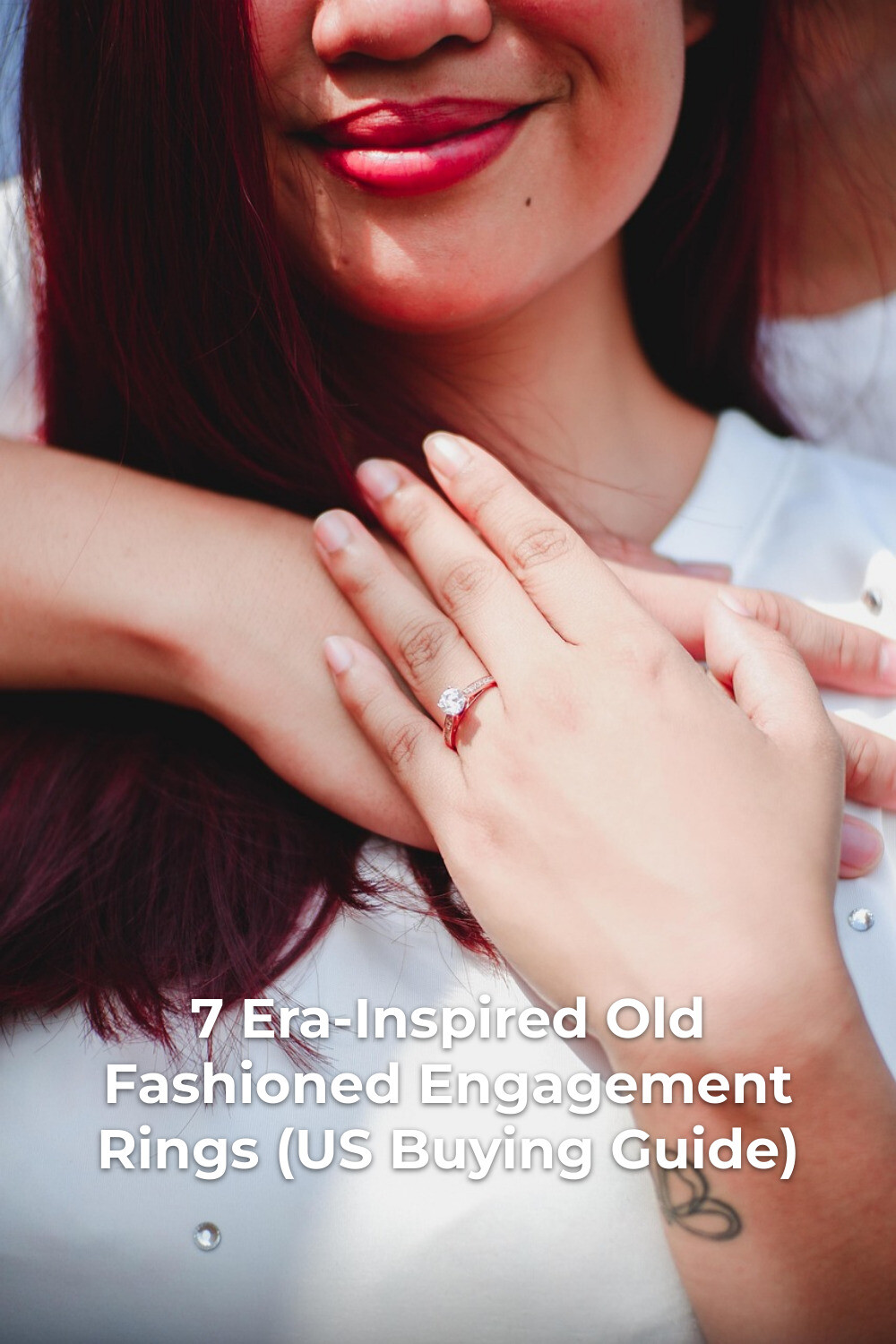
    Old fashioned engagement rings on woman with red lipstick and small wrist tattoo, hands near chest
    A woman in a crisp white shirt and red lipstick holds her hands near her chest, revealing a vintage-style ring and a delicate wrist tattoo.

    Design Details That Define Vintage Rings

    The fastest way to recognize a vintage ring design is to look closely at the details. Many old fashioned engagement rings share a vocabulary of texture, edge work, and fine metal craftsmanship that reads as “antique” even on a brand-new ring.

    Milgrain, Filigree, and Hand Engraving

    These three elements show up again and again in vintage engagement rings because they add depth without requiring a massive center stone. Milgrain is the tiny beaded edging often used to outline frames, halos, and borders; it gives a soft, finished edge that immediately feels traditional. Filigree is the airy, lace-like metalwork often associated with delicate craftsmanship, especially in Edwardian-inspired looks. Hand engraving adds pattern and texture across the band or around the setting, reinforcing the impression that the ring is a miniature work of art rather than a plain mount.

    Many shoppers specifically search for old fashioned engagement rings with milgrain because it reads as unmistakably vintage. When combined with filigree and engraving, the result can look intricate from every angle—top view, profile, and even the underside gallery.

    Intricate Metalwork and “Interior” Details

    Vintage style is often just as much about what you notice up close as what you see from across the room. Antique-style rings frequently showcase decorative touches throughout the setting—fine cutouts, lattice-like structures, and other elements that make the ring feel dimensional. This is one reason vintage engagement rings are often described as intricate: they can include thoughtful, hand-finished features that elevate the entire ring beyond the center stone.

    Halos, Clusters, and Three-Stone Compositions

    Many vintage-inspired collections emphasize layouts that have strong historical associations, including halo designs, cluster arrangements, and three-stone rings. These styles can amplify sparkle and create an “heirloom” silhouette even if the center stone is modest. A vintage halo, for example, can frame the center stone with a refined edge—especially when paired with milgrain—while a three-stone design can feel symbolic and balanced. These compositions are also frequently reinvented by modern designers to improve durability while staying faithful to antique inspiration.

    The Most Characteristic Antique Diamond Cuts

    Cut style plays a major role in whether a ring reads as old fashioned. Three cuts come up repeatedly in vintage and antique contexts: old European cut, old mine cut, and rose cut. These antique cut diamonds are often associated with a softer, more romantic glow compared to many modern cutting approaches, and they are especially linked with Victorian-era pieces. If you want the center stone to look period-appropriate—not just the setting—these cuts are a primary place to focus.

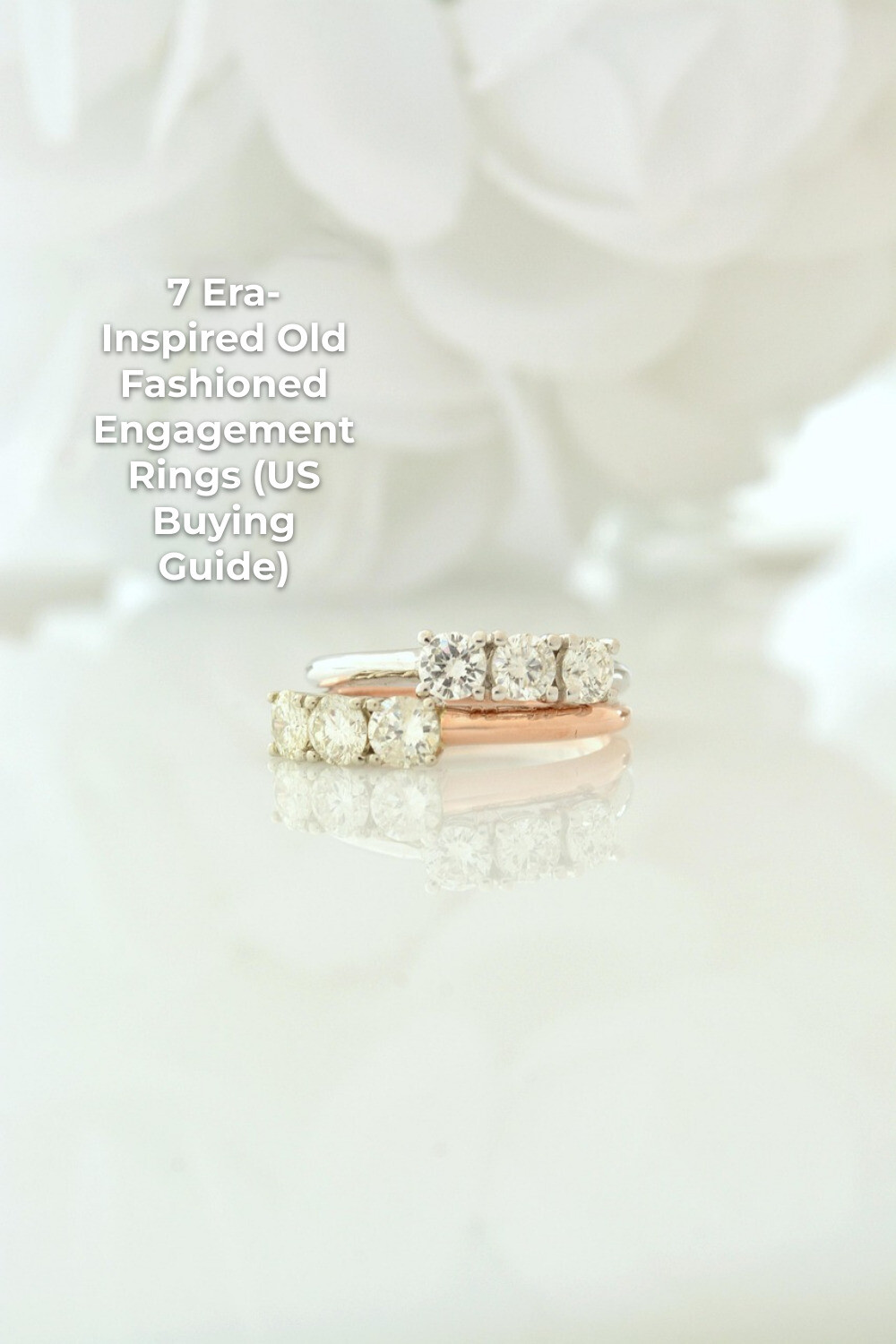
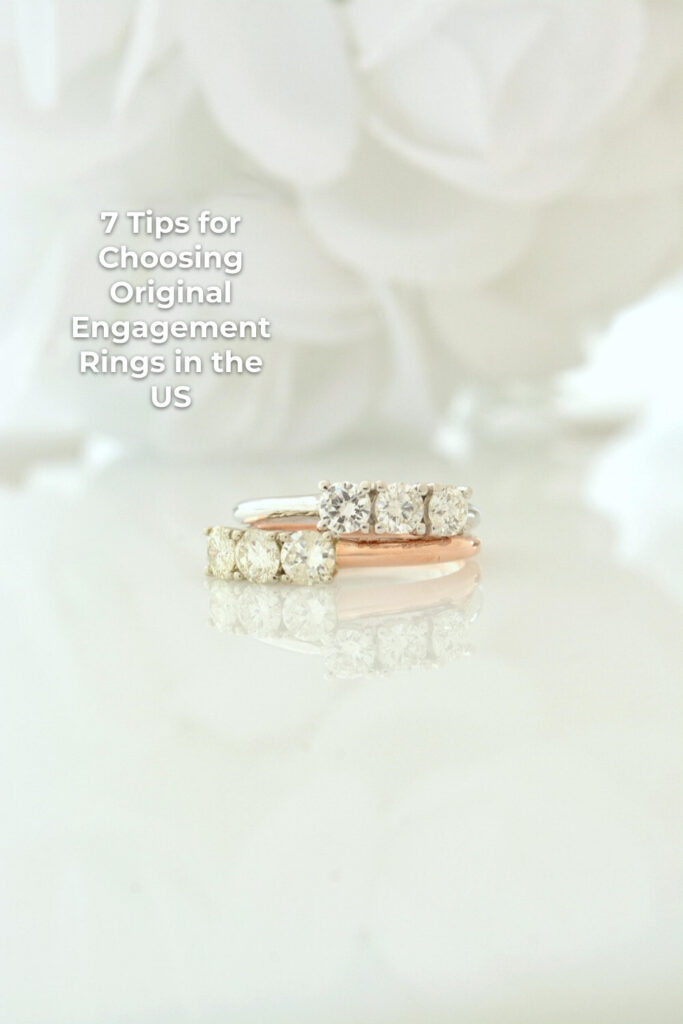
    Old fashioned engagement rings with two diamond bands in white and rose metal on a reflective surface
    Two nostalgic diamond rings in white and rose-toned metal rest on a reflective surface against a soft white backdrop.

    Materials, Stones, and Settings for an Old-Fashioned Look

    Old fashioned engagement rings can be built in different ways: you can replicate a period look through metal color, the center stone choice, or the setting style—or combine all three. The best results come from choosing a few core “signals” of vintage design and making sure they work together.

    Metal Choices: Yellow Gold, Rose Gold, White Gold, and Platinum

    Metal color strongly influences the mood of a vintage ring. Victorian pieces are commonly associated with yellow and rose gold, which can emphasize warmth and romance. Edwardian style is often linked to platinum, especially when paired with delicate filigree. White gold can also support a vintage look when the design includes clear era-specific cues like milgrain and engraving. Many modern vintage-inspired rings offer multiple metal options so you can keep the same silhouette while tailoring the overall feel.

    Stone Options: Diamonds and Colored Gemstones

    Diamonds remain central to many vintage engagement ring designs, but old-fashioned style has room for colored stones as well. Victorian-era rings, in particular, are often associated with variety in gem choices, including colored gemstones alongside diamonds. If you love the idea of a ring that feels personal and distinctive, a colored center stone paired with vintage details—like milgrain edging or a cluster arrangement—can create a look that’s both historically grounded and uniquely yours.

    Many buyers also weigh lab-grown vs. natural stones when choosing a vintage-inspired ring. The key is to ensure the final look matches the aesthetic you’re after: antique-style cuts, thoughtful metalwork, and period-appropriate proportions can matter as much as the origin of the stone when the goal is an old-fashioned appearance.

    Setting Styles: Solitaire, Halo, Three-Stone, and Cluster

    You don’t need an elaborate setting to achieve a vintage look, but the setting style will steer the final impression. Here are common setting directions that align naturally with old fashioned aesthetics:

    • Solitaire: Often paired with engraving or a decorative gallery to avoid feeling too modern.
    • Halo: A classic vintage-inspired structure, especially when accented with milgrain and intricate metalwork.
    • Three-stone: Balanced and symbolic, frequently seen in antique-inspired collections.
    • Cluster: Strongly associated with traditional looks and can feel especially Victorian in spirit.

    As you compare options, pay attention to small design decisions—edge finishing, prong style, and the presence of filigree—because those are often what separate “vintage-inspired” from “simply not modern.”

    How to Choose and Buy Your Vintage Ring

    Shopping for old fashioned engagement rings can feel deceptively simple: you find a style you love and choose a stone. But the most satisfying purchases usually come from matching the design to your daily life and clarifying whether you want an antique original or a vintage-inspired ring made today.

    Size, Comfort, and Wearability

    Vintage details can add height, texture, and delicate edges—beautiful, but worth considering for comfort. Think about how the ring will feel during everyday tasks, how easily it catches on clothing, and whether the band profile suits your preferences. This is especially important for ornate halos, high-profile settings, and rings with extensive filigree. If you’re buying an antique ring, sizing may require extra consideration, so it’s wise to ask detailed questions about resizing options and how changes might affect the original design integrity.

    Tip: When you try on vintage-inspired designs, evaluate the ring from the side view as much as the top view. Old-fashioned rings often have distinctive profiles, and comfort can depend on height, under-gallery shape, and how the band meets the setting.

    Authenticity and Certification (GIA/IGI)

    Because vintage style is so popular, reproductions and reinterpretations are everywhere. If you’re buying a diamond ring—whether antique or vintage-inspired—third-party certification can be an important trust signal. Many retailers highlight certified quality you can trust, including grading reports from recognized labs such as GIA and IGI. Certification doesn’t replace the need to evaluate craftsmanship and condition, but it can help you confirm the stone’s documented characteristics and support confidence in your purchase.

    Tip: If a ring is marketed as antique-style, ask what specifically makes it era-accurate. The strongest designs usually have multiple consistent cues—milgrain, filigree, engraving, and a period-consistent silhouette—rather than a single decorative touch.

    Budgeting for Antique vs. Vintage-Inspired

    Budget planning starts with clarifying whether you want a true antique piece or a modern ring with antique styling. Antique rings can command a premium for uniqueness, historical value, and the specific charm of original workmanship. Vintage-inspired rings typically offer broader price-point access because they can be produced in a wider range of metals, stone sizes, and design variations. Many modern collections also provide extensive catalogs that make it easier to compare styles and pricing across a wide range of options.

    Tip: Decide early whether the “old fashioned” priority is the setting, the center stone cut (old mine, old European, rose cut), or both. This helps allocate budget where it matters most for the final look.

    Style and Wearing Suggestions

    Vintage engagement rings can be styled in a way that feels either classic or fashion-forward, depending on how you wear them. An intricate vintage halo can look elegant with formalwear, while a simple antique-inspired solitaire with engraved details can feel effortless with everyday outfits. Some retailers even offer direct style and wearing suggestions because vintage rings often become a central, signature accessory.

    Consider how the ring will pair with a wedding band, too. Old-fashioned designs can have ornate edges and distinctive contours; choosing a band that complements the ring’s shape can preserve the intended silhouette and keep the overall look cohesive.

    Resale Value and Insurance Considerations

    Many buyers think about heirloom potential when choosing vintage style. Whether you’re investing in an antique ring or selecting a made-to-order vintage-inspired design, it’s smart to plan for long-term ownership. Documentation such as certification (when applicable), purchase records, and any design notes from a custom build can be useful for insurance and future reference. If you’re purchasing a true antique piece, condition and the integrity of original details can also matter for long-term value perception.

    Tips for Identifying a Truly “Old-Fashioned” Look

    Some rings are labeled vintage but don’t look particularly antique once you see them in person. If you want a ring that reads unmistakably old fashioned, look for a consistent set of design signals instead of a single decorative feature.

    • Edge finishing: Milgrain borders around halos, bezels, or frames are one of the clearest vintage cues.
    • Metal artistry: Filigree, engraving, and intricate metalwork add depth that feels handcrafted and period-inspired.
    • Stone choice and cut: Old European cut, old mine cut, and rose cut diamonds reinforce a historically rooted look.
    • Era coherence: The overall silhouette should align with a recognizable era—Victorian romance, Edwardian delicacy, Art Deco geometry, or Retro glamour.
    • Craftsmanship emphasis: Designs positioned as heirloom-worthy often highlight durability and careful construction alongside beauty.

    Tip: If you love vintage details but worry about being too ornate, choose one signature element as the “hero” (for example, milgrain) and keep the rest of the design cleaner. You’ll still get an old-fashioned impression without overwhelming the hand.

    Design Your Own Old-Fashioned Ring (Made-to-Order)

    If you’ve found elements you love but can’t find them combined in one ring, customization can be the most direct path. Many studios offer made-to-order or bespoke vintage ring design services that start with a consultation and guide you through era selection, setting style, and finishing details. Custom work is especially common in vintage-style categories because the aesthetic often depends on nuanced proportions: the width of milgrain, the pattern of engraving, or the geometry of an Art Deco-inspired frame.

    Customization can also help you balance period beauty with everyday practicality. Some buyers want the look of antique filigree but prefer a structure built for durability. Others want a vintage sparkle feel—like a halo or three-stone ring—while keeping the overall profile comfortable and secure.

    A Practical Custom Workflow You Can Follow

    Even though each jeweler’s process differs, most custom vintage engagement ring projects can be approached with a clear sequence that keeps decisions manageable.

    • Choose an era direction: Victorian, Edwardian, Art Nouveau, Art Deco, or Retro as your primary inspiration.
    • Select a setting type: Solitaire, halo, three-stone, or cluster based on the look you want and how you’ll wear it.
    • Pick signature details: Milgrain, filigree, hand engraving, or intricate interior metalwork.
    • Decide on stone personality: Diamond vs. colored gemstone; antique cut diamonds if you want period authenticity in the sparkle.
    • Confirm comfort priorities: Height, band width, and how ornate details sit against neighboring fingers.

    Tip: When commissioning a vintage-inspired ring, ask to see how the ring will look from multiple angles, not just top-down. Old-fashioned design is often about the profile and the metalwork beneath the center stone as much as the face-up view.

    Care and Maintenance for Vintage Rings

    Old fashioned engagement rings often include fine details—milgrain edges, engraved patterns, and filigree—that deserve thoughtful care. Antique pieces may also have age-related wear that makes maintenance even more important. The goal is to preserve both beauty and structural integrity, especially around delicate metalwork and any hand-set accent stones.

    Cleaning and Storage

    Intricate vintage settings can collect residue more easily than simpler designs because there are more grooves, openings, and textured surfaces. Regular gentle cleaning helps keep details crisp and maintains sparkle. Storage matters as well: keeping the ring protected helps prevent unintentional abrasion to engraved surfaces and minimizes snagging risks for filigree-heavy styles.

    Tip: If your ring has extensive filigree or milgrain, check it periodically under good light. Small changes in texture can be easier to spot early, before they become more noticeable.

    Professional Checkups and Restoration

    Whether the ring is antique-original or vintage-inspired, professional maintenance can help preserve longevity—especially for rings positioned as heirloom-worthy. Jewelers can assess stone security, check the integrity of delicate metalwork, and advise on any restoration needs. If you own a true antique ring, restoration decisions should be made carefully to avoid stripping away the very details that give the ring its period charm.

    Practical Pitfalls to Avoid When Shopping Vintage Style

    Vintage style is popular, and that means the market includes everything from faithful reproductions to rings that borrow the label without delivering the look. Staying alert to common pitfalls can save you money and help you choose a ring you’ll love long-term.

    • Buying “vintage” without defining the era: Without an era reference, you may end up with a mix of details that doesn’t feel cohesive.
    • Ignoring comfort and wearability: Ornate settings can be stunning but may not fit every lifestyle if the profile is high or the details are delicate.
    • Assuming antique-style means antique: Many modern rings are intentionally vintage-inspired; clarify what you’re purchasing.
    • Skipping trust signals for diamonds: When applicable, look for recognized certification such as GIA or IGI and clear quality documentation.
    • Over-prioritizing one detail: A single milgrain edge won’t automatically make a ring look old-fashioned if the rest of the design reads modern.

    Tip: If you’re torn between two styles, choose the one whose design features you can describe clearly (for example, “Edwardian filigree in platinum” or “Art Deco geometric halo”). If you can name what makes it vintage, you’re more likely to love it years later.

    Finding Your Timeless Ring

    The best old fashioned engagement rings don’t just imitate the past—they translate it. Whether you fall for Victorian warmth, Edwardian filigree, Art Deco geometry, or Retro glamour, focus on consistent design cues: milgrain edges, intricate metalwork, hand engraving, and antique-inspired stone cuts like old European cut, old mine cut, or rose cut. Then balance those details with practical priorities like comfort, certification, and long-term care.

    If you want maximum control over the final look, consider a made-to-order or custom vintage engagement ring process that lets you blend era inspiration with modern wearability. If you prefer instant character and history, explore antique options while asking careful questions about sizing, condition, and documentation. Either way, vintage style has a unique strength: it’s designed to last—visually, emotionally, and often physically—so the ring you choose can feel like an heirloom from the very beginning.

    Old fashioned engagement rings moment as a groom dips his bride for a kiss between white columns
    Between grand white columns, a groom dips his bride in a timeless kiss that feels beautifully nostalgic.

    FAQ

    What’s the difference between antique engagement rings and vintage-inspired engagement rings?

    Antique engagement rings are original pieces from historical periods, while vintage-inspired engagement rings are newly made rings designed to replicate antique-era details such as milgrain, filigree, hand engraving, and period silhouettes.

    Which eras are most associated with old fashioned engagement rings?

    The most commonly referenced eras include Victorian (1837–1901), Edwardian (1901–1915), Art Nouveau, Art Deco (1920s–1930s), and Retro (1935–1950), each with distinct hallmarks like romantic ornamentation, delicate filigree, geometric structure, or glamorous statement styling.

    What does milgrain mean, and why is it popular in vintage rings?

    Milgrain is a tiny beaded edge detail used to outline settings and borders, and it’s popular in old fashioned engagement rings because it creates an immediately traditional, finished look that pairs well with halos, frames, and engraved designs.

    What diamond cuts look most “antique” in an old-fashioned ring?

    Old European cut, old mine cut, and rose cut diamonds are strongly associated with vintage and antique styles, especially in Victorian-era contexts, and they’re often chosen to reinforce a period-appropriate look beyond just the setting design.

    Are colored gemstones appropriate for old fashioned engagement rings?

    Yes—vintage and antique contexts, particularly Victorian-era styles, are often associated with variety in gemstone choices, including colored stones used alongside or instead of diamonds in solitaires, clusters, and other traditional layouts.

    How can I verify quality and authenticity when buying a vintage-style diamond ring?

    Look for clear documentation and recognized diamond certification where applicable, such as grading reports from GIA or IGI, and ask specific questions about what makes the design era-accurate (for example, filigree workmanship, milgrain finishing, and period-consistent structure).

    Do vintage-style rings work for everyday wear?

    They can, but it’s important to consider comfort and wearability, especially with ornate halos, high-profile settings, and delicate filigree; modern vintage-inspired rings are often designed to capture antique beauty while improving durability for daily use.

    Is a custom vintage engagement ring worth considering?

    Custom can be a great option if you want to combine specific era details—such as Art Deco geometry with milgrain or Edwardian filigree with a particular setting style—while tailoring metal, stone choice, and proportions for your budget and lifestyle.

    What are common mistakes people make when shopping for old fashioned engagement rings?

    Common pitfalls include buying “vintage” without identifying an era, focusing on a single detail instead of a cohesive design, overlooking comfort and profile height, assuming antique-style is the same as antique, and skipping important trust signals such as diamond certification when it applies.

  • 7 Tips for Choosing Original Engagement Rings in the US

    7 Tips for Choosing Original Engagement Rings in the US

    Original Engagement Rings: A Practical Guide to Finding a One-of-a-Kind Symbol

    Original engagement rings are about more than standing out—they’re about choosing a piece that feels unmistakably “yours.” Many people want something that doesn’t look like everyone else’s ring, while still feeling timeless, wearable, and meaningful. This guide walks through a clear process for defining what “original” means to you, comparing design directions, planning your budget and priorities, and making confident choices whether you’re buying ready-to-wear or creating something custom.

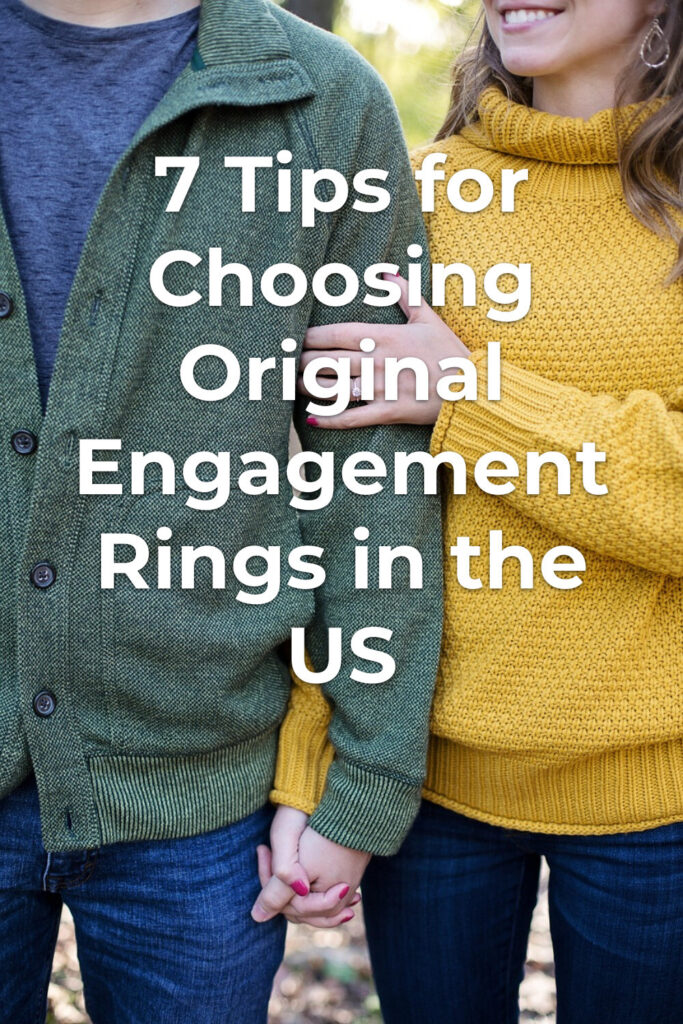
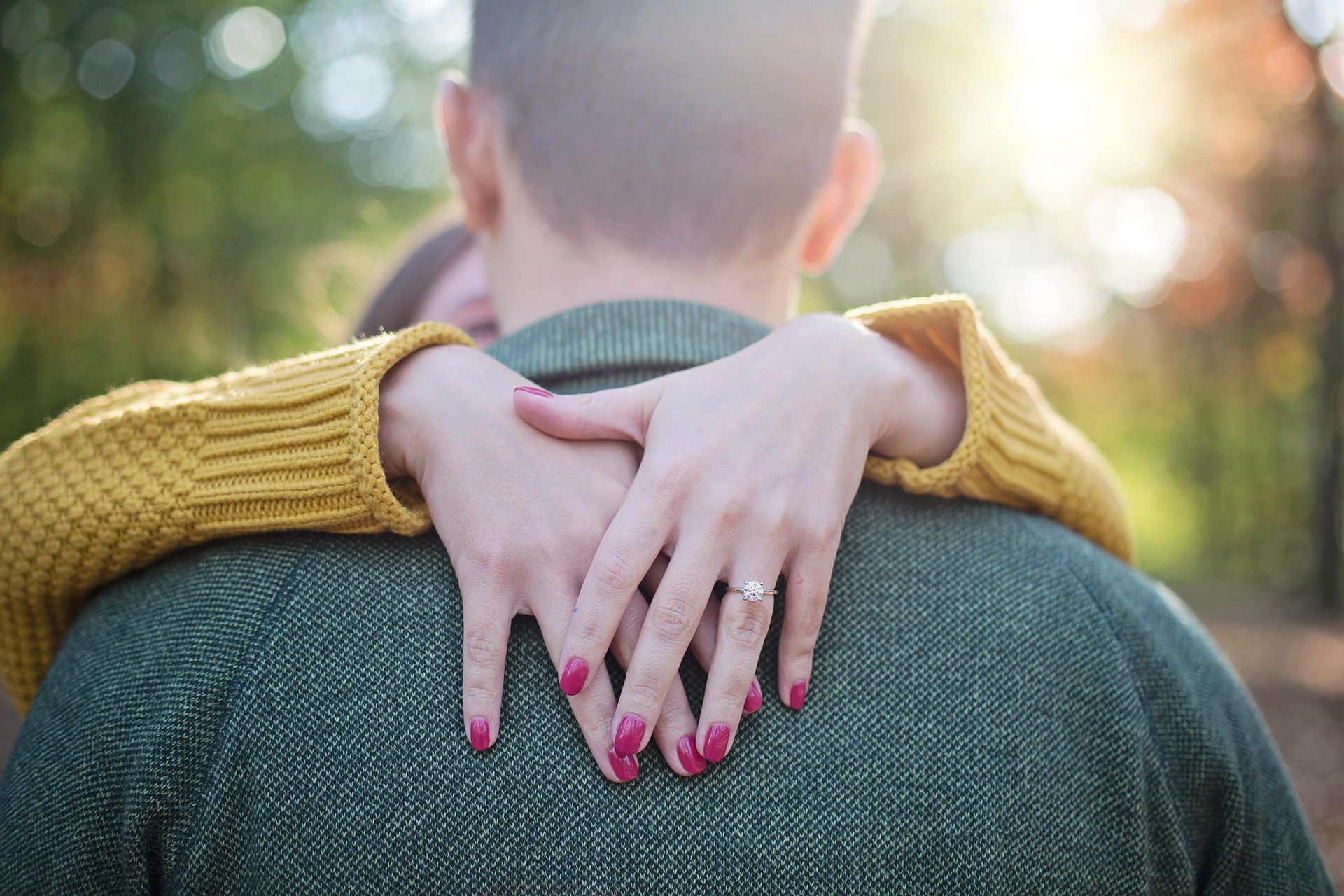
    Original engagement rings shown on woman's hand as couple holds hands outdoors in sweaters and jeans
    In a design-savvy moment, the couple stands outdoors hand in hand as her ring catches the light on his arm.

    What “Original” Can Mean (So You Can Shop With Clarity)

    “Original” is personal. For some, it means a nontraditional center stone or an unexpected setting. For others, it means a ring that carries a story, like a design inspired by shared memories, a meaningful motif, or a distinctive silhouette. Before you browse, decide what kind of originality matters most to you—visual uniqueness, symbolism, craftsmanship, or a combination.

    Original in design

    Design originality can show up through bold shapes, asymmetry, unusual proportions, mixed textures, or a setting style that isn’t commonly seen in mainstream ring collections. Even a classic look can become original with small shifts in scale, profile, or detailing.

    Original in meaning

    Many couples want the ring to feel like a personal artifact. That may mean incorporating a hidden detail, engraving, or a visual reference that only the two of you recognize. The result can look understated to others while feeling deeply distinctive to you.

    Original in craftsmanship

    Originality can be about how the ring is made: a carefully considered build, refined finishing, and decisions that support long-term wear. A ring can be “different” in a way that also feels solid, balanced, and comfortable—qualities that matter when you’ll be wearing it every day.

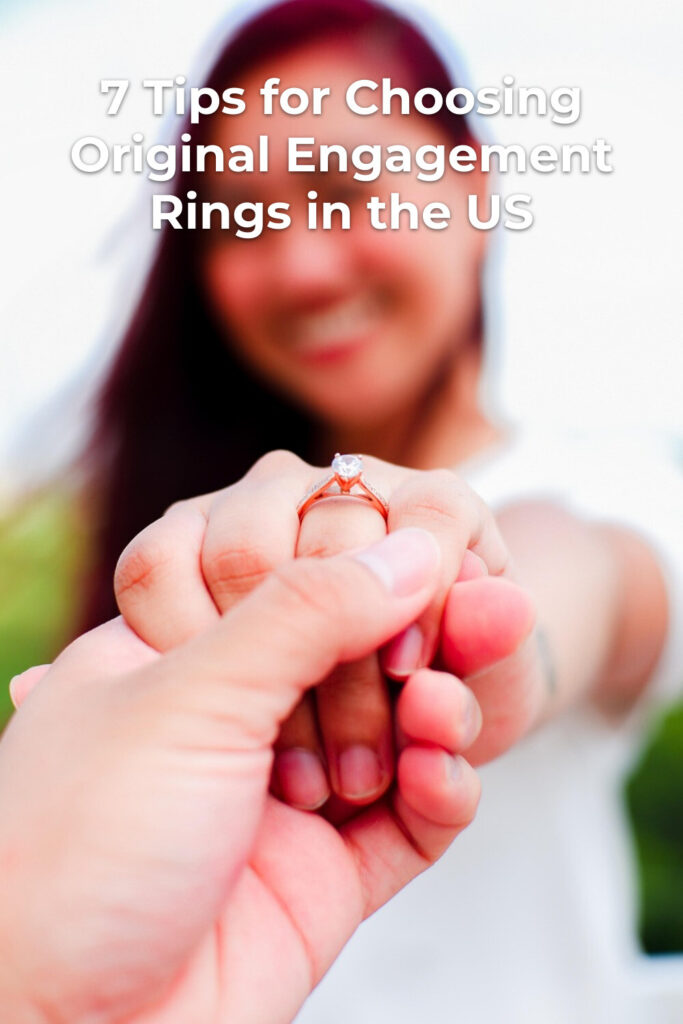
    Original engagement rings shown as two people hold hands, with woman in white top blurred in background
    Two hands meet in the foreground, highlighting an original engagement ring as a woman in white lingers softly out of focus behind.

    Start With Your Non-Negotiables

    Before you fall in love with a design, identify what can’t be compromised. This keeps the shopping process focused, avoids decision fatigue, and helps you compare rings fairly. Original doesn’t have to mean impractical; a great ring aligns creativity with daily life.

    • Wearability: Is the ring comfortable and compatible with your lifestyle?
    • Durability: Will the design hold up to daily wear over time?
    • Maintenance: Are you comfortable with how often it may need attention?
    • Budget range: What is your comfortable spend and true max?
    • Timeline: Do you need it quickly or is there room for a longer process?

    Tips: A quick decision filter

    If you’re torn between “unique” and “timeless,” prioritize a silhouette you’ll love for years, then add originality through detail. A distinctive setting profile, subtle texture, or unexpected accent can deliver uniqueness without making the ring feel like a trend you’ll outgrow.

    Common Paths to an Original Engagement Ring

    There isn’t one correct route. Some people start with a center stone and build around it. Others fall for a setting first, then look for a stone that complements it. The most reliable approach is to explore a few proven “paths” to originality and choose the one that fits your priorities.

    1) Start with a distinctive center stone shape

    Shape has an immediate impact on how a ring reads. Choosing a less common shape, or even a familiar shape in a less expected proportion, can create a look that feels original without requiring a highly complex setting.

    2) Make the setting the statement

    Settings define the ring’s architecture: how it sits on the finger, how the stone is held, and how light and space play together. An original setting can be sculptural, minimal, or detail-rich—what matters is coherence and balance.

    3) Add a personalized detail that’s “for you”

    Sometimes the most original choice is a private one: an engraving, a hidden accent, or a design cue tied to your story. This approach works well if you want a ring that looks classic at first glance but becomes more special the closer you look.

    4) Choose a design that supports stacking or stands alone

    Think ahead to how the ring will pair with a wedding band. Some original engagement rings are designed as a stand-alone statement; others intentionally leave room for a band to nest or sit flush. Deciding early prevents later compromises.

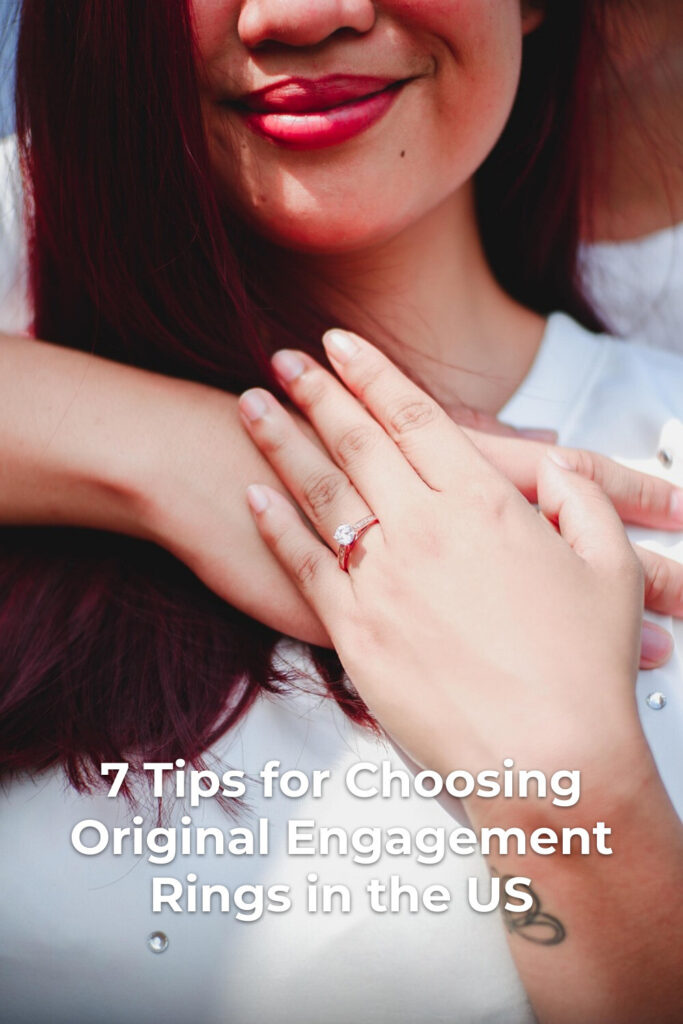
    Original engagement rings close-up of woman showing ring on chest with red lipstick and small wrist tattoo
    A design-savvy close-up captures a woman in a white shirt resting her hands on her chest to reveal a ring and a subtle wrist tattoo.

    Custom vs. Ready-to-Wear: Which Route Fits Your Goals?

    Many shoppers assume that “original” automatically means “custom,” but that’s not always true. A thoughtfully chosen ready-to-wear ring can still feel unique, especially if you focus on less common design language. Custom design can be a great fit when you want something highly specific or meaningful—just make sure you understand the process.

    Ready-to-wear: When it makes sense

    Ready-to-wear is ideal if you want a quicker purchase, prefer to see a finished design, or feel confident selecting from curated styles. It can also be a smart option if you want originality through selection rather than invention.

    Custom: When it’s the better choice

    Custom design is best when you have a clear vision, want to incorporate specific details, or can’t find the right combination of features. It can also help if your preferences are unusually specific—like a particular profile, proportion, or design element you haven’t seen elsewhere.

    Tips: Questions to ask before going custom

    • What aspects are truly unique, and what can follow established design principles for comfort and stability?
    • How many revisions are included before the design is finalized?
    • What is the expected timeline from approval to completion?
    • How will the final ring be checked for fit, comfort, and practical wear?

    Design Elements That Make a Ring Feel One-of-a-Kind

    Originality often comes from intentional choices that work together—rather than one extreme feature. When evaluating rings, look at the overall composition: shape, setting, profile, and small details. The most compelling designs usually feel cohesive, not random.

    Silhouette and proportions

    Two rings can share similar components but feel completely different based on proportion. Consider how large the top view is relative to the band, how high the center sits, and whether the ring looks airy or substantial.

    Texture and finishing

    Finishing choices can change the personality of a ring. A smooth, refined finish feels different from a more tactile look. Texture can be a quiet way to make a ring feel original without changing its overall style.

    Negative space and openwork details

    Space can be a design feature. Open sides, cutouts, or airy structures can make a ring feel lighter and more architectural. If you like this look, prioritize comfort and practicality so the ring feels good in everyday wear.

    Hidden details

    Hidden details are ideal for people who want uniqueness that doesn’t dominate the look. A subtle touch can carry a lot of meaning without making the ring feel overly ornate.

    Original engagement rings with clear stones on a reflective surface against a light background
    Two design-savvy metal rings set with clear stones rest elegantly on a reflective surface against a light background.

    How to Balance “Unique” With Everyday Wear

    A ring can be original and still practical. The key is to anticipate how it will behave in your day-to-day life. If you use your hands often, prefer low-maintenance jewelry, or plan to wear your ring constantly, certain design decisions may matter more than aesthetic novelty.

    Profile and comfort

    Consider how the ring sits against your finger and whether it feels smooth along the edges. Rings with a more pronounced profile may look dramatic, but comfort and snag-resistance can be just as important over the long term.

    Band width and feel

    The band is the part you’ll notice most. A very thin band can feel delicate, while a wider band may feel more substantial. The “right” choice depends on your style, your comfort preferences, and how you want the ring to look on your hand.

    Setting security

    If a ring’s design relies on fine, intricate details, make sure the structure still feels secure and wearable. Original settings can be strong and well-considered, especially when the design prioritizes stability alongside aesthetics.

    Tips: A practical wear test

    When you try on a ring (or visualize it), imagine a full day: pockets, hair, gloves, handwashing, carrying bags, and typing. If the ring feels like it would constantly catch or need careful handling, consider a similar style with a smoother profile or a more protected setting.

    Building a Clear Budget Without Losing Creativity

    Budget clarity helps you make original choices on purpose rather than by accident. Instead of thinking only in terms of a single number, consider how to allocate what you’re comfortable spending across the elements that matter most to you—whether that’s the center stone, the setting, or design details.

    Set a comfortable range and a true maximum

    A range keeps you flexible. Your true maximum protects you from making a decision you’ll regret later. Original designs can vary widely in complexity, so having boundaries makes it easier to choose confidently.

    Decide where you want the “wow” to live

    Some people want a center stone that dominates the look; others prefer a subtler center with a more distinctive setting. Knowing where you want the impact helps you avoid spreading the budget too thin across features you don’t care about equally.

    Tips: Keep one “flex” category

    Choose one category where you’re willing to adjust—like band width, accent detailing, or overall complexity—so you can protect what matters most if costs shift during the process. This makes it easier to keep the ring both original and aligned with your priorities.

    How to Evaluate a Ring Listing or Product Page With Confidence

    Original engagement rings are often sold with strong visuals and emotional language. That’s not a bad thing, but it’s important to look beyond the hero photo. The more distinctive a design is, the more you should understand how it’s built and what the purchase includes.

    • Look for multiple angles: top view, side view, and on-hand photos
    • Confirm what’s included: center stone, accents, band, and any personalization
    • Check size and scale cues: proportions can look different on different hands
    • Understand your options: any choices available for the setting or details
    • Know the timeline: especially if you’re considering custom or made-to-order

    Tips: Don’t judge originality by a single photo

    Some designs photograph dramatically from one angle but look less special from others. Conversely, some rings look simple head-on but reveal their personality from the profile. Ask for more images or views if you can, and focus on the overall structure—not just one flattering shot.

    Creating an Original Ring Without Overcomplicating It

    There’s a difference between “original” and “busy.” The most memorable rings often have one strong idea supported by quieter choices. If you want a ring that feels distinctive but still refined, aim for a focused concept and consistent design language.

    Choose one signature feature

    Pick the single element you want people to notice first—an unusual silhouette, a bold setting, or a meaningful hidden detail. Let everything else support that feature rather than compete with it.

    Keep the rest cohesive

    Consistency is what makes originality look intentional. If your ring has an architectural setting, consider complementary band lines. If it has romantic detailing, keep the overall proportions balanced so it still feels wearable.

    Tips: The “one change” method

    If you’re starting from a classic style, change only one major category at a time—shape, setting, or detailing—until it feels original enough. This reduces the risk of ending up with a ring that feels visually confusing or hard to pair with a band later.

    Collaborating on the Choice (If You’re Ring Shopping Together)

    Buying an engagement ring can be a solo surprise or a shared project. If you’re shopping together, you can use the process to refine preferences quickly and avoid assumptions. Original rings especially benefit from alignment—unique design choices are more satisfying when both people understand the “why.”

    Get specific about what each of you likes

    Instead of saying “unique” or “simple,” describe what you mean. Do you like a bold top view? A low profile? Clean lines? Vintage-inspired cues? The more specific you are, the easier it becomes to select or create a ring that truly fits.

    Use a shortlist approach

    Narrow to a small set of favorites and compare them side-by-side. This reveals patterns—maybe you consistently prefer certain proportions or a particular setting profile—and it makes the final decision feel grounded rather than impulsive.

    Planning for the Wedding Band Early

    Original engagement rings can introduce pairing challenges if the setting is wide, low, or has an unusual silhouette. Thinking about the wedding band early helps ensure the set looks intentional, whether you want a perfectly flush fit or a contrasting stack.

    Decide what “pairing” means to you

    Some people want the band to disappear behind the engagement ring, while others want it to add a new design layer. Both approaches can work well; the key is choosing deliberately rather than discovering limitations later.

    Tips: Bring band preferences into the ring decision

    If wearing a band flush is important, pay close attention to the engagement ring’s profile and how it sits on the finger. If a gap is acceptable or even desirable, you have more freedom to choose a sculptural or lower-set design.

    After You Buy: Keeping an Original Ring Looking Its Best

    Original designs can include distinctive details that deserve thoughtful care. The goal isn’t to be overly precious with your ring—it’s to understand what keeps it comfortable, presentable, and enjoyable to wear. A little attention helps protect the features that made you choose it in the first place.

    Wear habits and mindful handling

    If your ring has fine details or a more sculptural profile, be mindful in situations where it could catch, scrape, or take impact. You don’t need to baby it, but it’s reasonable to treat it like a daily-wear piece with special design features.

    Tips: Preserve the details that make it original

    Pay attention to the small elements you love most—texture, delicate accents, or a distinctive profile. If you notice roughness, discomfort, or changes in how it sits, address it sooner rather than later so the ring continues to feel as good as it looks.

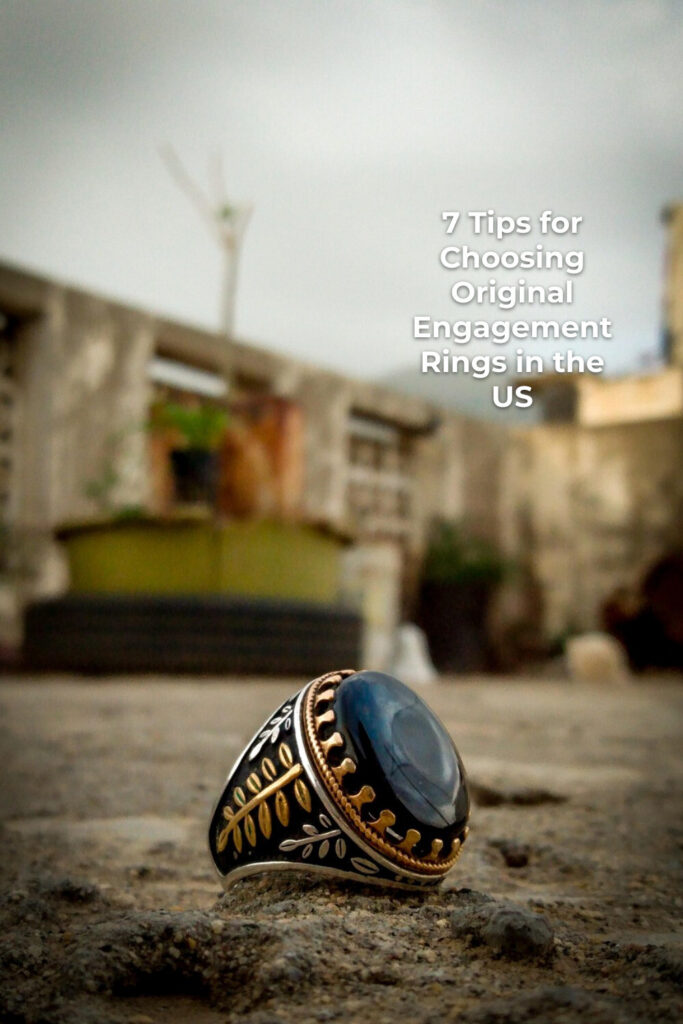
    Original engagement ring with dark blue gemstone on rough ground, blurred buildings and cloudy sky behind
    A design-savvy original engagement ring with a dark blue stone rests on textured ground beneath a moody skyline.

    FAQ

    What makes original engagement rings different from traditional styles?

    They prioritize a distinctive look, personal meaning, or uncommon design details rather than sticking closely to the most familiar silhouettes and settings, while still aiming to be wearable and enduring.

    Do I need a custom design to get an original engagement ring?

    No—many people find originality through a carefully chosen ready-to-wear design, while custom design is best when you have specific requirements or want highly personal details incorporated.

    How can I make a ring feel unique without making it too trendy?

    Choose a timeless overall silhouette and add originality through controlled details like proportions, texture, a distinctive setting profile, or a subtle personal element that won’t feel dated quickly.

    What should I prioritize first when shopping for a one-of-a-kind ring?

    Start with non-negotiables such as comfort, wearability, budget range, and timeline, then decide whether the ring’s uniqueness should come from the center stone, the setting, or a personalized detail.

    How do I know if a unique setting will be comfortable for everyday wear?

    Focus on the ring’s profile, how it sits on the finger, and whether edges and details feel smooth; imagine daily activities like typing and handwashing to assess snag risk and comfort.

    Can original engagement rings still pair well with a wedding band?

    Yes, but it helps to plan early by deciding whether you want a flush fit or are comfortable with a small gap, since unusual profiles and silhouettes can affect how bands sit together.

    How do I compare two unique rings fairly?

    Compare them using consistent criteria—comfort, durability, maintenance expectations, budget alignment, and how the overall design looks from multiple angles—rather than relying on a single standout feature.

    What questions should I ask if I’m considering a custom ring?

    Ask what parts can be customized, how revisions work, what the timeline is, what the final ring includes, and how the design will be checked for fit, comfort, and practicality before completion.