Original Engagement Rings: How to Choose a Personal Design
An original engagement ring can have an unusual silhouette, a private engraving or a setting made around a meaningful stone. Decide which detail matters to you before comparing designs. A ring you enjoy wearing is a better starting point than a demand that every part of it be different.
What “Original” Can Mean (So You Can Shop With Clarity)
Decide whether you want the difference to be visible or private. An asymmetrical setting changes the outline; an engraving can carry meaning without changing the face of the ring. Keep a short note of the feature you want, the setting height you can tolerate and whether a wedding band must fit beside it.
Original in design
Design originality can show up through bold shapes, asymmetry, unusual proportions, mixed textures, or a setting style that isn’t commonly seen in mainstream ring collections. Even a classic look can become original with small shifts in scale, profile, or detailing.
Original in meaning
Many couples want the ring to feel like a personal artifact. That may mean incorporating a hidden detail, engraving, or a visual reference that only the two of you recognize. The result can look understated to others while feeling deeply distinctive to you.
Turn wedding inspiration into a plan you can actually follow.
Zarellea brings your guest list, budget, vendors, and day-of details into one shared space — so no beautiful idea gets lost in the shuffle.
Original in craftsmanship
Originality can be about how the ring is made: a carefully considered build, refined finishing, and decisions that support long-term wear. A ring can be “different” in a way that also feels solid, balanced, and comfortable, qualities that matter when you’ll be wearing it every day.
Start With Your Non-Negotiables
Before you fall in love with a design, identify what can’t be compromised. This keeps the shopping process focused, avoids decision fatigue, and helps you compare rings fairly. Original doesn’t have to mean impractical; a great ring aligns creativity with daily life.
- Wearability: Is the ring comfortable and compatible with your lifestyle?
- Durability: Will the design hold up to daily wear over time?
- Maintenance: Are you comfortable with how often it may need attention?
- Budget range: What is your comfortable spend and true max?
- Timeline: Do you need it quickly or is there room for a longer process?
Common Paths to an Original Engagement Ring
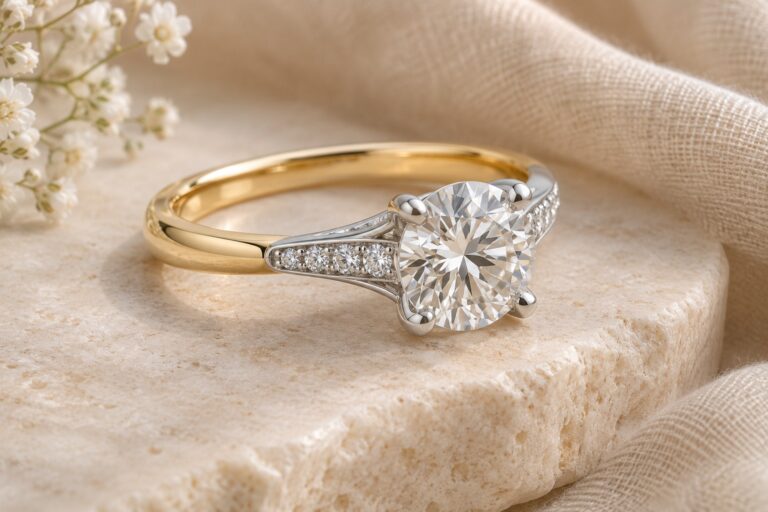
You can start with a stone, a setting or a meaningful detail. Compare a few approaches before choosing custom work. If you like contrast in the metal rather than an unusual stone, explore two-tone engagement ring settings.
1) Start with a distinctive center stone shape
Shape has an immediate impact on how a ring reads. Choosing a less common shape, or even a familiar shape in a less expected proportion, can create a look that feels original without requiring a highly complex setting.
2) Make the setting the statement
Settings define the ring’s architecture: how it sits on the finger, how the stone is held, and how light and space play together. An original setting can be sculptural, minimal, or detail-rich, what matters is coherence and balance.
3) Add a personalized detail that’s “for you”
Sometimes the most original choice is a private one: an engraving, a hidden accent, or a design cue tied to your story. This approach works well if you want a ring that looks classic at first glance but becomes more special the closer you look.
4) Choose a design that supports stacking or stands alone
Think ahead to how the ring will pair with a wedding band. Some original engagement rings are designed as a stand-alone statement; others intentionally leave room for a band to nest or sit flush. Deciding early prevents later compromises.
Custom vs. Ready-to-Wear: Which Route Fits Your Goals?
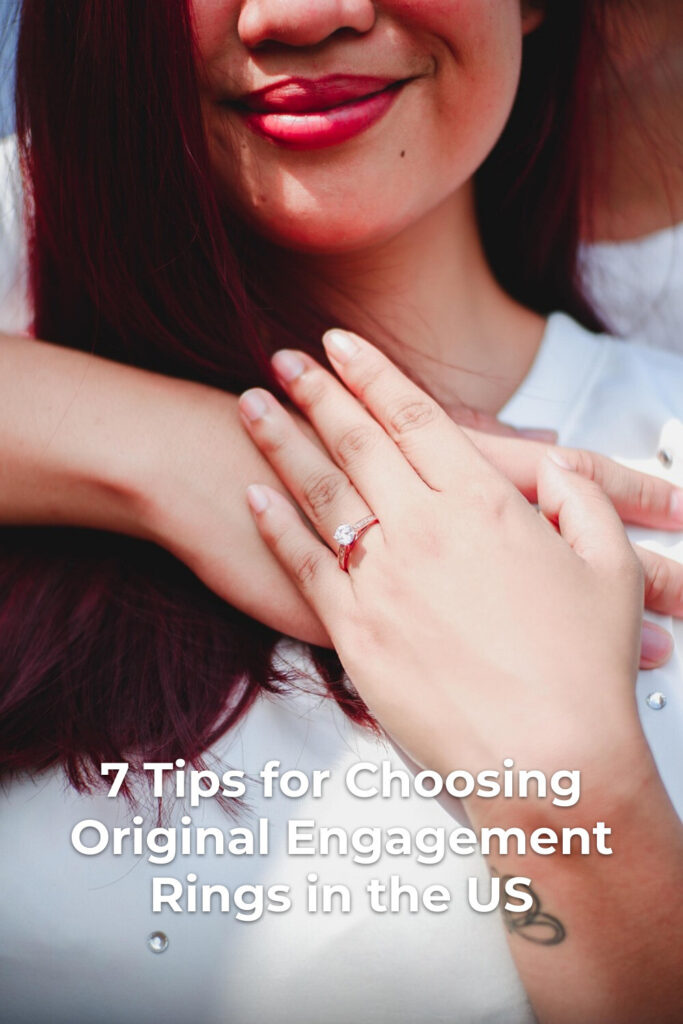
Compare the finished designs available with the changes you would request from a maker. Ready-to-wear lets you examine an existing ring. A custom project needs an agreed specification, approval stages and a delivery plan. Ask whether the quote includes the center stone, revisions, sizing and engraving.
Ready-to-wear: When it makes sense
Ready-to-wear is ideal if you want a quicker purchase, prefer to see a finished design, or feel confident selecting from curated styles. It can also be a smart option if you want originality through selection rather than invention.
Custom: When it’s the better choice
Custom design is best when you have a clear vision, want to incorporate specific details, or can’t find the right combination of features. It can also help if your preferences are unusually specific, like a particular profile, proportion, or design element you haven’t seen elsewhere.
Questions to ask before going custom
- What aspects are truly unique, and what can follow established design principles for comfort and stability?
- How many revisions are included before the design is finalized?
- What is the expected timeline from approval to completion?
- How will the final ring be checked for fit, comfort, and practical wear?
Design Elements That Make a Ring Feel One-of-a-Kind
Look at top, side and on-hand views. Note band width, setting height, the space beneath the stone and any edge that touches neighboring fingers. A dramatic photograph does not show how a ring feels when you close your hand.
Silhouette and proportions
Two rings can share similar components but feel completely different based on proportion. Consider how large the top view is relative to the band, how high the center sits, and whether the ring looks airy or substantial.
Texture and finishing
Finishing choices can change the personality of a ring. A smooth, refined finish feels different from a more tactile look. Texture can be a quiet way to make a ring feel original without changing its overall style.
Negative space and openwork details
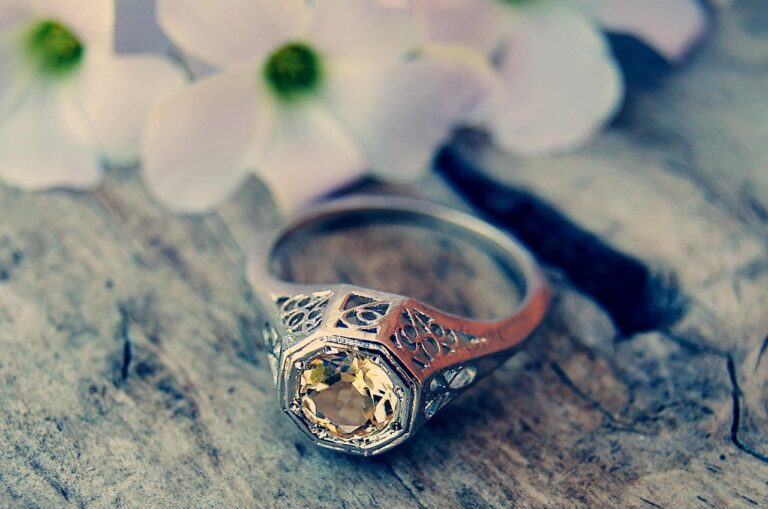
Space can be a design feature. Open sides, cutouts, or airy structures can make a ring feel lighter and more architectural. If you like this look, prioritize comfort and practicality so the ring feels good in everyday wear.
Hidden details
Hidden details are ideal for people who want uniqueness that doesn’t dominate the look. A subtle touch can carry a lot of meaning without making the ring feel overly ornate.
How to Balance “Unique” With Everyday Wear
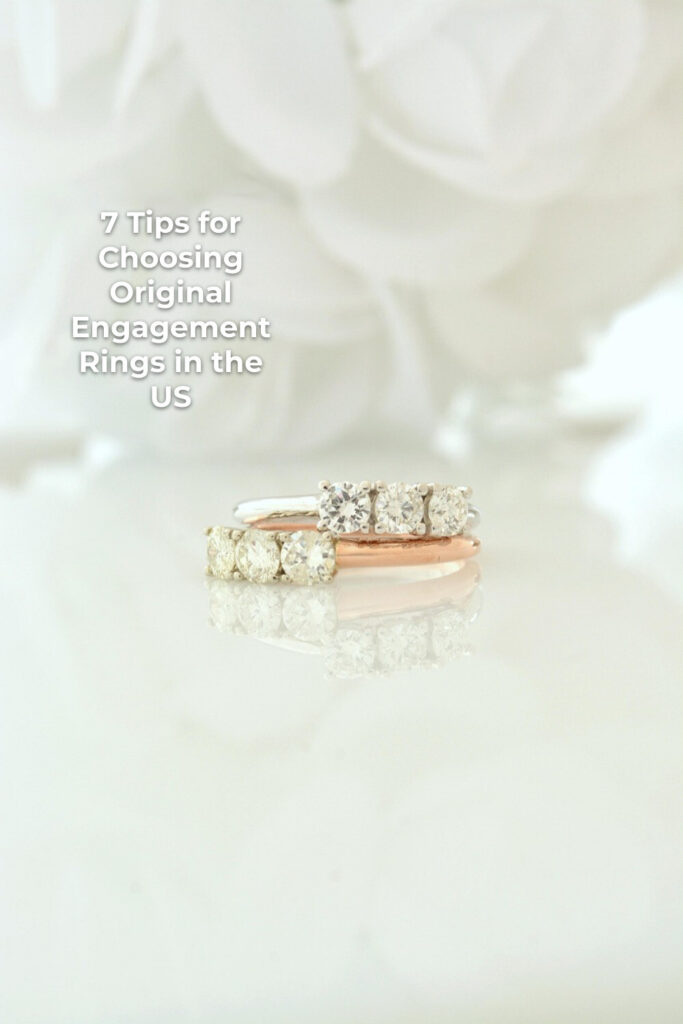
Try the ring while making ordinary hand movements. Check whether the setting presses against adjacent fingers or catches on fabric. For a custom design, ask for side views and measurements, and discuss how a model or sample can help you judge the shape.
Profile and comfort
Consider how the ring sits against your finger and whether it feels smooth along the edges. Rings with a more pronounced profile may look dramatic, but comfort and snag-resistance can be just as important over the long term.
Band width and feel
The band is the part you’ll notice most. A very thin band can feel delicate, while a wider band may feel more substantial. The “right” choice depends on your style, your comfort preferences, and how you want the ring to look on your hand.
Setting security
Have a jeweler assess the stone setting and the strength of fine details. A photograph cannot establish that a design is secure. Ask what inspections and repairs the maker offers, and get the aftercare terms in writing.
A practical wear test
When you try on a ring (or visualize it), imagine a full day: pockets, hair, gloves, handwashing, carrying bags, and typing. If the ring feels like it would constantly catch or need careful handling, consider a similar style with a smoother profile or a more protected setting.
Building a Clear Budget Without Losing Creativity
Compare complete quotes for the same specification. Record the metal, stone identity, accent stones, design work, tax, shipping and any sizing charge. Keep a separate list of optional changes so a revised quote does not quietly replace a feature you wanted.
Set a comfortable range and a true maximum
A range keeps you flexible. Your true maximum protects you from making a decision you’ll regret later. Original designs can vary widely in complexity, so having boundaries makes it easier to choose confidently.
Decide where you want the “wow” to live
Some people want a center stone that dominates the look; others prefer a subtler center with a more distinctive setting. Knowing where you want the impact helps you avoid spreading the budget too thin across features you don’t care about equally.
Keep one “flex” category
Choose one category where you’re willing to adjust, like band width, accent detailing, or overall complexity, so you can protect what matters most if costs shift during the process. This makes it easier to keep the ring both original and aligned with your priorities.
How to Evaluate a Ring Listing or Product Page With Confidence
Original engagement rings are often sold with strong visuals and emotional language. That’s not a bad thing, but it’s important to look beyond the hero photo. The more distinctive a design is, the more you should understand how it’s built and what the purchase includes.
- Look for multiple angles: top view, side view, and on-hand photos
- Confirm what’s included: center stone, accents, band, and any personalization
- Check size and scale cues: proportions can look different on different hands
- Understand your options: any choices available for the setting or details
- Know the timeline: especially if you’re considering custom or made-to-order
Don’t judge originality by a single photo
Some designs photograph dramatically from one angle but look less special from others. Conversely, some rings look simple head-on but reveal their personality from the profile. Ask for more images or views if you can, and focus on the overall structure, not just one flattering shot.
Planning for the Wedding Band Early
Original engagement rings can introduce pairing challenges if the setting is wide, low, or has an unusual silhouette. Thinking about the wedding band early helps ensure the set looks intentional, whether you want a perfectly flush fit or a contrasting stack.
Decide what “pairing” means to you
Some people want the band to disappear behind the engagement ring, while others want it to add a new design layer. Both approaches can work well; the key is choosing deliberately rather than discovering limitations later.
Bring band preferences into the ring decision
If wearing a band flush is important, pay close attention to the engagement ring’s profile and how it sits on the finger. If a gap is acceptable or even desirable, you have more freedom to choose a sculptural or lower-set design.
After You Buy: Keeping an Original Ring Looking Its Best
Original designs can include distinctive details that deserve thoughtful care. The goal isn’t to be overly precious with your ring, it’s to understand what keeps it comfortable, presentable, and enjoyable to wear. A little attention helps protect the features that made you choose it in the first place.
Wear habits and mindful handling
Follow the maker’s care instructions for the specific stones and setting. Keep purchase records and the approved design specification. If a stone moves, an edge becomes rough or a prong catches, arrange an inspection rather than continuing to wear it.
Preserve the details that make it original
Pay attention to the small elements you love most, texture, delicate accents, or a distinctive profile. If you notice roughness, discomfort, or changes in how it sits, address it sooner rather than later so the ring continues to feel as good as it looks.
A useful final comparison
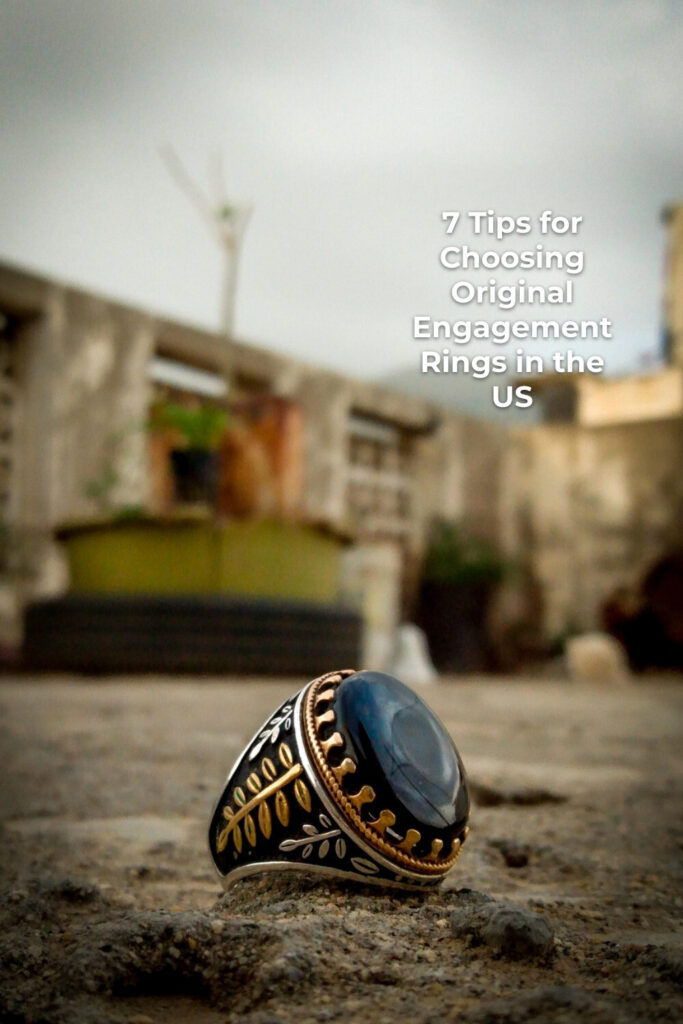
Put your shortlisted rings beside the same wedding band and compare them from the side. If an unusual setting feels awkward or prevents the pairing you want, ask whether that single feature can change before commissioning a completely new design.
For a more visible departure from a classic setting, use the eight quirky engagement ring design directions to narrow your brief. Choose one main idea and let the other details support it.
FAQ
What makes original engagement rings different from traditional styles?
They prioritize a distinctive look, personal meaning, or uncommon design details rather than sticking closely to the most familiar silhouettes and settings, while still aiming to be wearable and enduring.
Do I need a custom design to get an original engagement ring?
No, many people find originality through a carefully chosen ready-to-wear design, while custom design is best when you have specific requirements or want highly personal details incorporated.
How can I make a ring feel unique without making it too trendy?
Choose a timeless overall silhouette and add originality through controlled details like proportions, texture, a distinctive setting profile, or a subtle personal element that won’t feel dated quickly.
What should I prioritize first when shopping for a one-of-a-kind ring?
Start with non-negotiables such as comfort, wearability, budget range, and timeline, then decide whether the ring’s uniqueness should come from the center stone, the setting, or a personalized detail.
How do I know if a unique setting will be comfortable for everyday wear?
Focus on the ring’s profile, how it sits on the finger, and whether edges and details feel smooth; imagine daily activities like typing and handwashing to assess snag risk and comfort.
Can original engagement rings still pair well with a wedding band?
Yes, but it helps to plan early by deciding whether you want a flush fit or are comfortable with a small gap, since unusual profiles and silhouettes can affect how bands sit together.
How do I compare two unique rings fairly?
Compare them using consistent criteria, comfort, durability, maintenance expectations, budget alignment, and how the overall design looks from multiple angles, rather than relying on a single standout feature.
What questions should I ask if I’m considering a custom ring?
Ask what parts can be customized, how revisions work, what the timeline is, what the final ring includes, and how the design will be checked for fit, comfort, and practicality before completion.
2 Comments