Modern Black and White Wedding Decor: A Complete Guide to Sophisticated Monochrome Weddings in the US
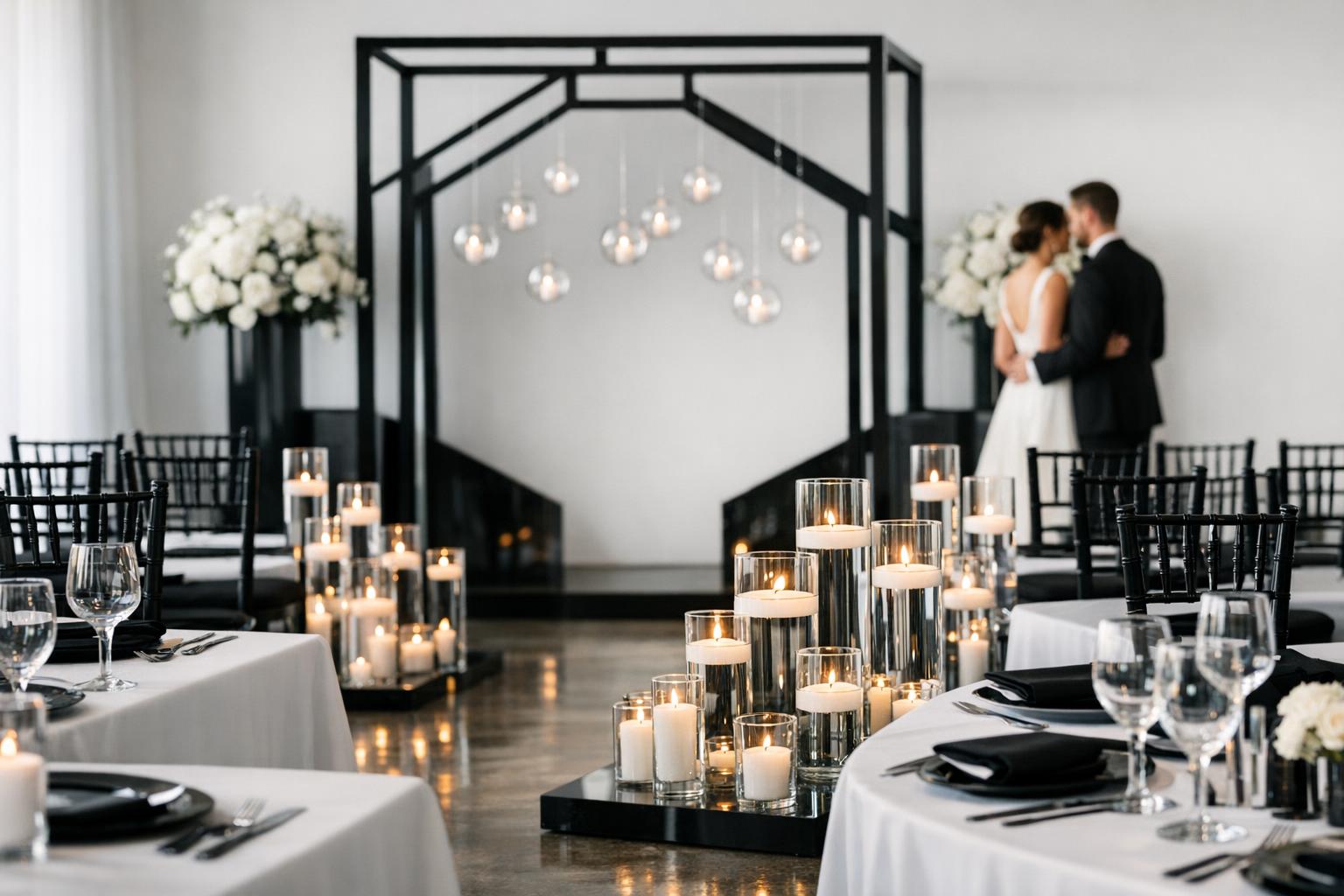
Modern black and white wedding decor is one of the most reliable ways to create a celebration that feels both timeless and current. The palette’s strength is its clarity: crisp contrast, clean lines, and photo-ready details that can read minimalist, dramatic, luxe, or classic depending on the materials and shapes you choose. From modern-meets-classic place settings to geometric decorations, candlelit tablescapes, bold ceremony arches, and graphic signage, black-and-white design can carry every moment of your wedding day with cohesion.
This guide focuses on practical, real-world ideas you can actually use: how to shape the overall aesthetic, where to invest based on venue and budget, and how to build impact with tables, lighting, signage, and layout. You’ll also find multiple individual decor ideas for ceremonies, receptions, lounge vignettes, and photo moments—so you can move from inspiration to an execution plan that fits your space.
Understanding the Modern Black and White Aesthetic
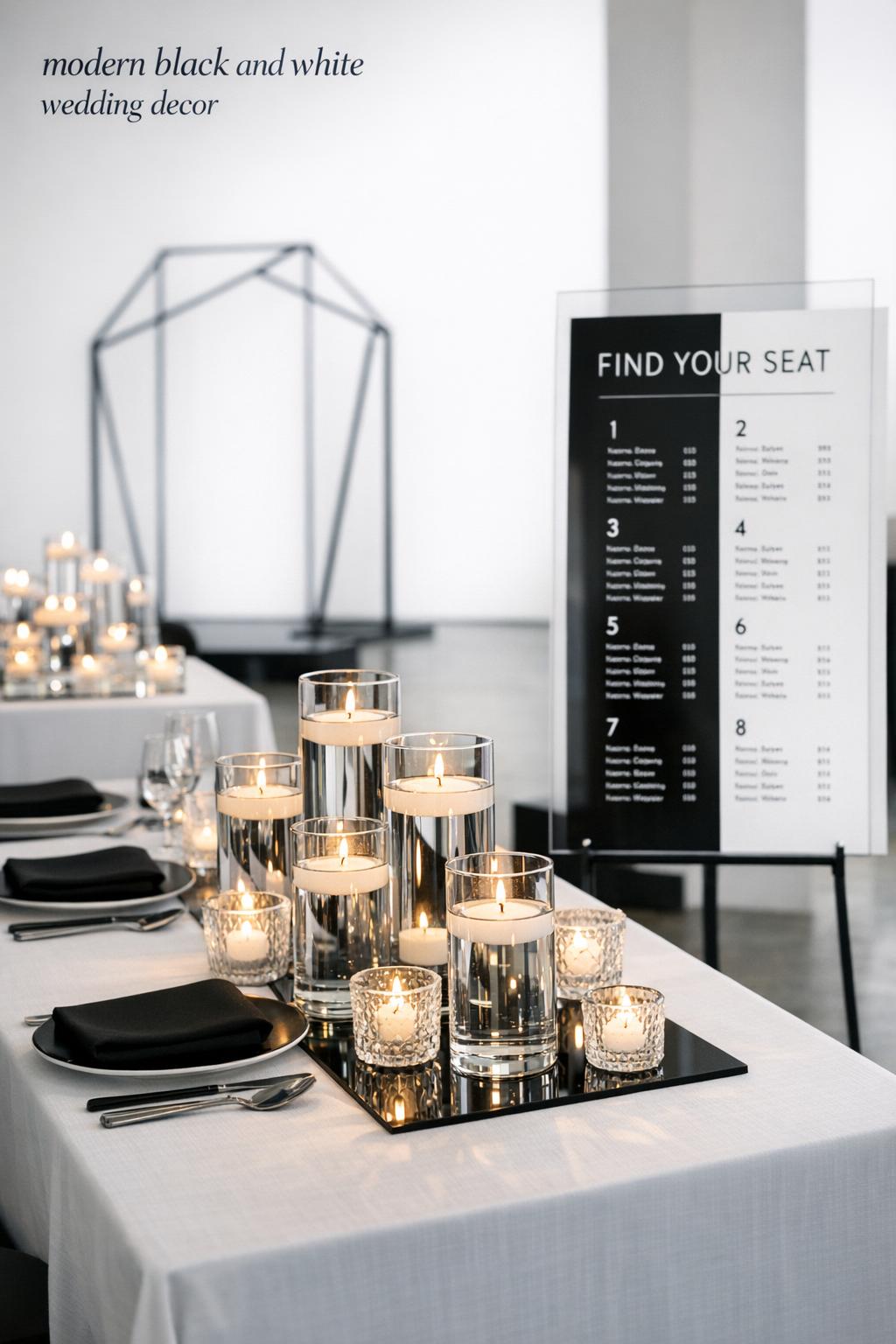
A modern monochrome wedding isn’t just “black items + white items.” The strongest designs use contrast intentionally, then soften or elevate it with texture, shine, and repetition. In practice, that means pairing bold black accents with white linens, choosing a few standout focal points (like an archway or bar moment), and letting the palette carry through place settings, signage, and lighting.
Key design principles: contrast, rhythm, texture, balance
Start by deciding what you want to feel first when guests walk in: drama, simplicity, or glamour. Contrast creates drama; rhythm creates cohesion through repeated shapes and patterns; texture prevents the palette from feeling flat; balance keeps black from overpowering the room (or keeps white from feeling too stark). This is why modern black-and-white weddings often feature clean signage, crisp linens, structured chair choices, and intentional lighting that highlights reflective surfaces like glass and metallic details.
Tip: If you’re unsure where to start, choose one “hero” element per moment: one ceremony focal point (like a black metal archway) and one reception focal point (like a glam candle-and-glass tablescape). Build supporting details around those anchors.
Popular accents that shift the mood (silver, gold, crystal, glass)
Modern monochrome design frequently includes metallic and reflective accents to add dimension. Silver and gold details can push the look toward modern luxe or formal black-tie energy, while crystal and glass elements (including candleholders, vases, and mirrored surfaces) create a luminous effect that photographs beautifully. These accents work especially well in venues that already feel contemporary—like museums, art spaces, and gallery-like rooms—where clean architecture supports the palette.
Tip: Keep accents consistent. If your place settings lean silver, repeat that choice in candleholders or signage stands instead of mixing every finish across the room.
How to Start: Define Your Venue Type and Budget
The same black-and-white decor choices won’t behave the same way in every space. A museum reception can handle graphic minimalism and strong lines, while a rustic barn might need softer texture and layered candlelight to keep contrast from feeling too sharp. Before you pick centerpieces or chairs, define your venue type and your comfort level with either DIY or rentals—then choose where to invest for maximum impact.
Budget tiers and where to invest (lighting, florals, linens)
Most couples benefit from a tiered approach: spend more on the elements guests interact with up close (tablescapes, place settings, candles, and linens) and on anything that shapes the overall ambiance (lighting). Florals can be minimal and still feel elevated when paired with strong monochrome structure—like crisp linens, black chairs, and candle clusters. If your budget is tighter, concentrate on a few high-visibility moments instead of trying to make every corner elaborate.
- High-impact investments: statement ceremony arch/backdrop, reception lighting and candles, linens and chair styling, signage moments (seating chart, bar sign).
- Flexible savings: simplified floral shapes, fewer centerpiece components repeated across tables, minimal but graphic stationery/signage.
- Smart consistency: repeat a few materials (glass + black accents + white linen) across the day rather than introducing new looks in every area.
Tip: If you want a modern luxe look without adding more items, focus on consistency and scale: fewer pieces, larger impact, repeated cleanly.
Venue-specific considerations (loft, gallery, museum, hotel ballroom, outdoor)
Modern black-and-white weddings show up especially well in contemporary venues because the palette echoes architectural lines. Museums and art spaces naturally complement black-and-white decor through clean backdrops and curated lighting. Urban lofts and gallery-style rooms support geometric decorations, monochrome lounges, and bold signage. Hotel ballrooms can carry a formal black-and-white style when you use lighting and table textures to avoid a flat “banquet” feel. Outdoors, you’ll want stronger contrast markers (like black frames, black chairs, and clear signage) so the palette reads distinctly against greenery or bright daylight.
Tip: Walk the room (or review venue photos) and decide where black will be most useful: grounding open spaces, outlining focal points, and guiding guest flow through signage.
Core Elements of a Modern Black and White Look
Modern monochrome weddings typically share a common foundation: crisp textiles, intentional table styling, defined ceremony structure, dramatic lighting, and graphic signage. You can remix these elements to create anything from minimalist to glam without abandoning the palette.
Tablescapes and centerpieces
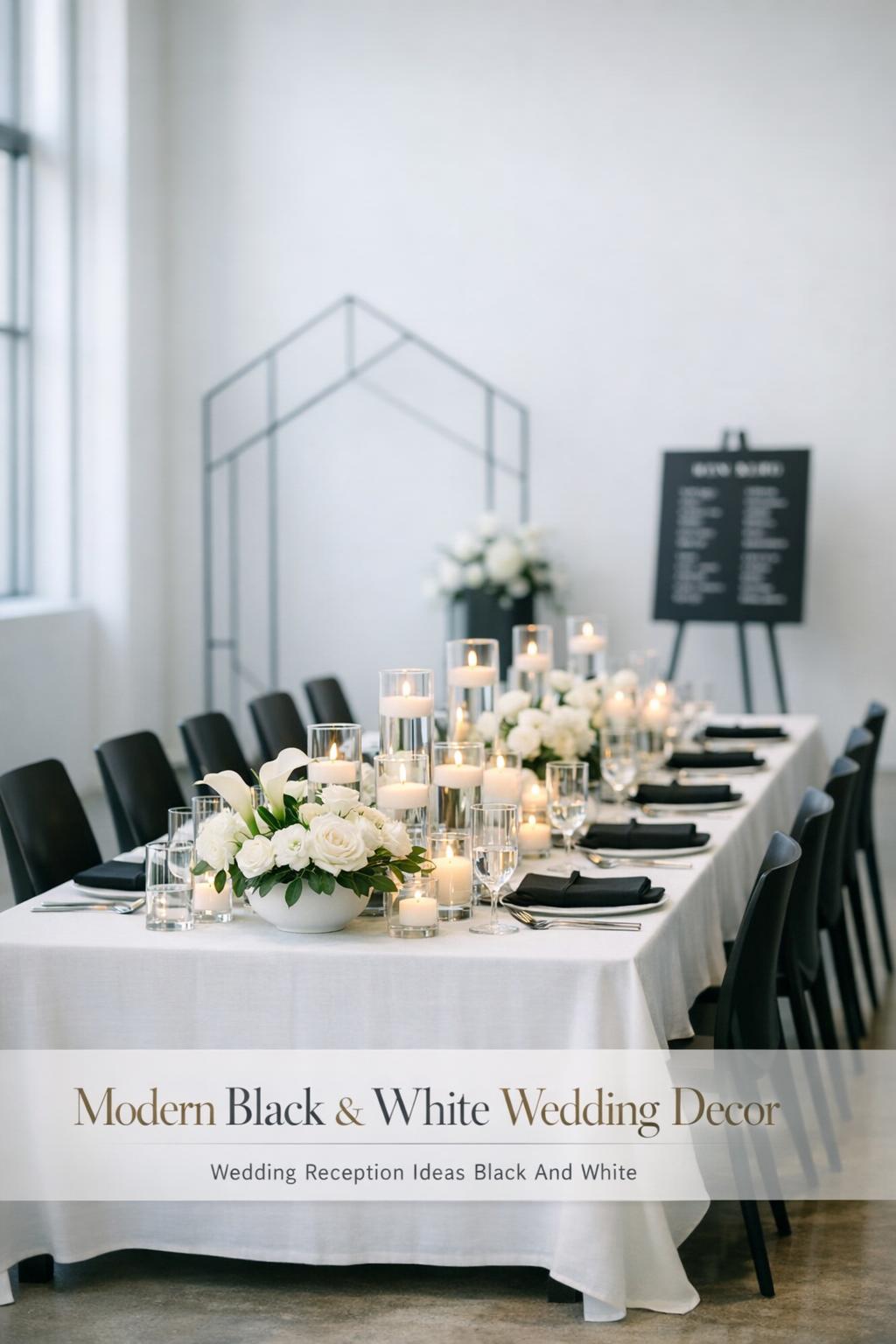
Tables are where guests spend the most time, so a modern-meets-classic place setting approach pays off. Think white linens as a clean base, black accents for structure (like napkins, menus, or chargers), and glass or metallic details to catch the light. Centerpieces can be floral, candle-forward, or a hybrid; the key is to keep silhouettes consistent and let the contrast do the work.
Ceremony backdrops and arches
In black-and-white weddings, the ceremony arch or backdrop often becomes the defining visual of the day. Options range from minimalist black metal archways to fuller installations that frame the couple with white-forward florals and black structural elements. A strong arch is especially effective in open spaces where you need a focal point.
Lighting and ambiance (candles, uplighting, glow)
Lighting is what makes monochrome feel warm rather than stark. Candle clusters, floating candles, and layered glow (especially reflected in glass) are recurring features in modern black-and-white receptions. Lighting also helps black accents read as intentional and elegant instead of heavy.
Signage, invitations, and small accents
Graphic signage ties the aesthetic together: seating charts, bar signs, welcome moments, and table numbers. Clean typography and clear contrast are the point—black text on white, white text on black, or monochrome acrylic and modern boards. Repeating the same type style across pieces makes the whole event feel curated.
Tablescapes, Centerpieces, and Textures: Concrete Ideas
If you want the room to feel “modern” rather than theme-y, focus on simple shapes, deliberate contrast, and touchable textures. Below are individual ideas you can mix and match depending on whether you want minimalist, glam, rustic monochrome, or modern luxe.
Idea set 1: Modern-meets-classic place settings
Classic structure plus modern restraint is a proven combination in monochrome weddings. Use white linens to keep the table bright, then add black accents sparingly for definition. Bring in glass and metallic details to keep the look polished.
- White linens with black napkins for crisp contrast
- Black menu cards or place cards against white plates
- Glassware that catches candlelight to soften the contrast
- Silver or gold flatware to shift the mood toward modern luxe
Tip: Choose one “dominant” table color (often white) and let the other color act as punctuation. Too much black on the table can feel heavy unless the room has strong lighting and reflective elements.
Idea set 2: Chic table settings with contrasting accents
Contrasting accents are the simplest way to make a black-and-white reception feel intentional. These accents can be as small as a black taper candle among white florals or as bold as black chairs paired with white tablecloths. The goal is to create a repeating pattern across tables so the room reads cohesive from afar.
For a modern vibe, include structured shapes: straight tapers, clean-lined candleholders, geometric table numbers, and minimal signage. Add softness through florals and candle glow rather than introducing new colors.
Idea set 3: Monochrome centerpiece ideas (floral, candle, non-floral)
Centerpieces in a monochrome palette can do a lot with a little. You can keep florals minimal and let candles carry the ambience, or go floral-forward while keeping vessels and supports clean and modern. Non-floral options can be especially effective in modern venues where architectural style already provides interest.
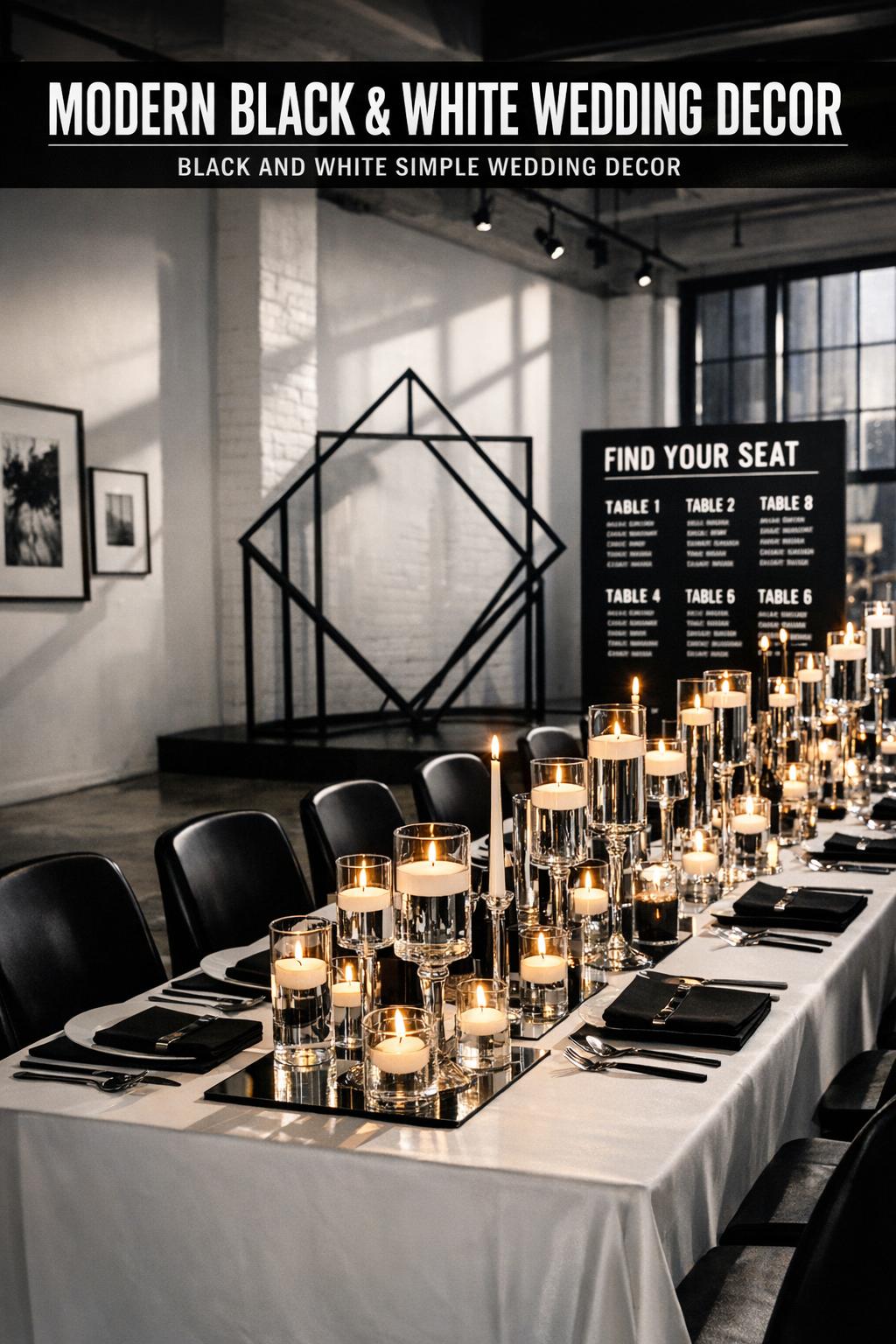
- Candle-forward: clusters of candles in glass to create a glowing centerpiece effect
- Floating candle look: a clean, luminous focal point that suits formal spaces
- Monochrome florals: white-forward arrangements with black accents in the surrounding styling
- Non-floral structure: geometric elements and modern vessels paired with minimal blooms
Tip: When using candles as a primary centerpiece feature, repeat them consistently across all tables. A single candle moment on one table won’t create the immersive glow that makes monochrome feel romantic.
Idea set 4: Textural play (velvet, glass, crystal, metallic details)
Texture is the difference between “simple” and “styled.” Modern black-and-white decor often leans on velvet-like softness, glass clarity, crystal sparkle, and metallic edges to keep the palette from feeling flat in photos. Even if your colors stay strictly black and white, texture adds a third dimension.
Try pairing a matte element (like crisp linens) with reflective pieces (like glass candleholders or mirrored accents). This interplay works especially well in glam black-and-white receptions where lighting is part of the design, not an afterthought.
Idea set 5: Geometric decorations as modern punctuation
Geometric decorations are a natural fit for a modern monochrome wedding because they bring structure without adding color. They can show up in signage frames, table numbers, candleholders, or backdrop shapes. The best approach is to choose one geometric language and repeat it—sharp angles, arches, or linear grids—so the room feels designed rather than randomly assembled.
Tip: If your venue already has strong geometry (like a museum or gallery with clean lines), use simpler decor shapes to avoid competing with the architecture.
Ceremony Decor Ideas: Backdrops, Aisles, and Photo Moments
The ceremony is where contrast can be most powerful because the visuals are focused: the couple, the backdrop, and the aisle. A black-and-white ceremony can be minimalist and still feel elevated, especially when you choose a strong structural element and let the rest stay restrained.
Idea: A minimalist black and white ceremony arch
A minimalist arch is one of the clearest ways to say “modern.” A black metal archway can create a clean outline, while white elements—whether fabric, florals, or a bright backdrop—add softness and focus. This is especially effective in spaces where you want the couple to stand out against a simple, intentional frame.
Tip: Keep the arch design consistent with your reception tables. If the arch is very clean and linear, match it with clean-lined candleholders and modern signage rather than ornate pieces.
Idea: Aisle styling that stays graphic
For a monochrome aisle, think in terms of repeated shapes and spacing. Even simple aisle elements can read as dramatic when they repeat rhythmically. Candlelit rows or paired arrangements can guide the eye toward the altar while keeping the palette cohesive.
Idea: Photo-ready vignettes (photo booth, fireplace mantel, lounge corner)
Modern black-and-white weddings often include a few styled vignettes that act as both decor and guest experience: a photo booth moment, a cozy fireplace mantel scene, or a chic monochrome lounge. These setups work because the palette is naturally graphic—guests understand the moment instantly, and photos look polished even with candid lighting.
- Photo booth moment: keep the backdrop high-contrast and the props minimal so the palette stays refined
- Cozy fireplace mantel: a styled focal point that can anchor a room and add warmth
- Chic monochrome lounge: layered seating, clean tables, and candlelight for a modern “living room” feel
Tip: Treat one vignette like a “mini set.” Limit it to a few materials (black + white + glass/metal) so it looks intentional rather than cluttered.
Reception Decor Ideas: Make the Room Feel Modern, Not Flat
The reception is where monochrome either becomes unforgettable—or starts to feel repetitive. The difference is usually lighting, texture, and a few strategically placed moments that draw the eye: the bar, a seating chart, a feature table, or a statement centerpiece style repeated across the space.
Idea: A glam black-and-white reception built on glow
Glam monochrome works when you prioritize luminous materials and layered light. Candles, glass, and reflective accents create dimension, while crisp black-and-white textiles keep the room structured. This approach reads especially well in formal spaces and can support a black-tie feel without needing additional colors.
Tip: If you want glamour, don’t rely on color; rely on shine and repetition. A consistent candle story across the room can do more than adding extra decor types.
Idea: A high-contrast bar moment as a design feature
A bar is naturally photo-worthy, and in black-and-white weddings it can become a statement. Use clean signage, strong contrast, and thoughtful lighting so the bar reads as part of the design rather than just a service station. A black-and-white photo moment near the bar (or a graphic sign) can also reinforce the palette and invite guests to linger.
Idea: Modern lounge areas that feel intentional
Monochrome lounge decor is a modern trend-forward way to add comfort and style. A lounge corner can include seating that reinforces the palette, minimal tables, and candlelight or small accents to echo your tablescapes. This also helps large venues feel curated by creating “zones” within the room.
Tip: Keep lounge styling simple and structured. Too many patterns or mixed materials can dilute the clean black-and-white effect.
Idea: Rustic monochrome that still feels modern
Black-and-white decor can adapt to rustic spaces when you focus on texture and warmth rather than stark contrast. A barn or rustic venue can still look modern with crisp signage, candlelight, and structured tablescapes—especially when you use black accents as clean outlines against lighter linens and glowing light.
Layouts That Work: Ceremony and Reception Flow
Modern black-and-white weddings benefit from layout discipline. Because the palette is visually strong, clutter and awkward spacing become more noticeable. A good layout makes your decor look more expensive and more intentional—without adding a single new item.
Aisle treatment and backdrop placement
Position the ceremony focal point where it has visual breathing room. In modern venues (like museums or art spaces), let architecture frame the moment and keep decor streamlined. In more open spaces, use the arch/backdrop to define the ceremony “stage,” then repeat smaller elements down the aisle for rhythm.
Seating chart design that becomes decor
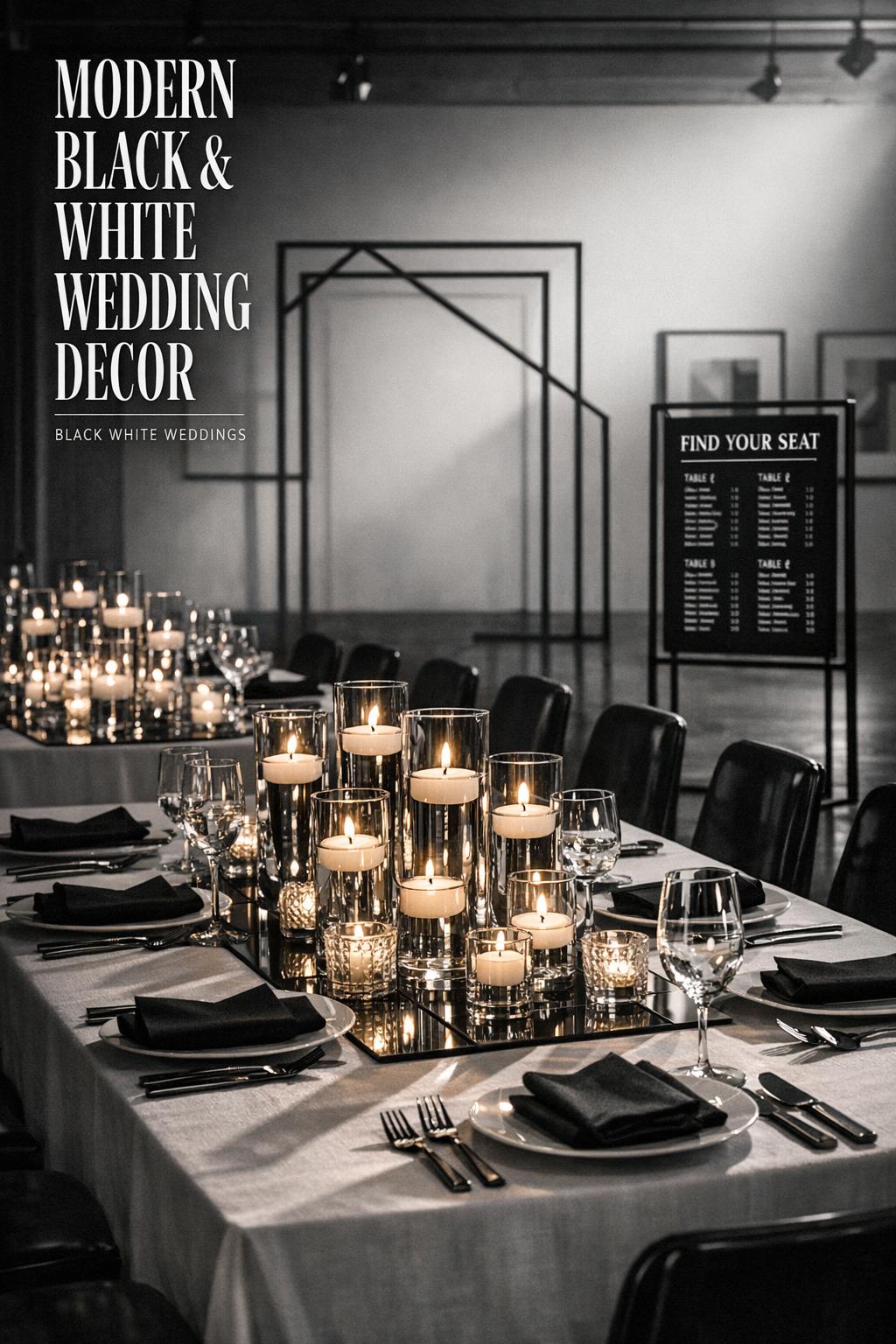
An elegant seating chart is one of the easiest ways to create a high-impact visual moment in monochrome. It’s functional, it photographs well, and it naturally gathers guests—making it a smart place to invest in clean typography, strong contrast, and a frame or installation that matches your overall style.
Tip: Place the seating chart where guests will naturally pause (near the entrance to the reception), and give it enough space so it doesn’t become a bottleneck.
Floor plan tips for galleries, lofts, hotels, and outdoor spaces
Gallery-like spaces and lofts often look best with clean lines: aligned tables, clear walkways, and defined zones (dining, lounge, bar). Hotel ballrooms can handle larger, more symmetrical arrangements that feel formal. Outdoor spaces benefit from strong anchors (like black chairs, framed signage, and clustered candlelight at key points) so the monochrome palette doesn’t fade into the natural background.
- Create zones: use lounges, a bar moment, and signage to divide a large space into intentional areas
- Repeat focal points: one centerpiece style, one candle style, one signage style—repeated consistently
- Preserve negative space: give key decor installations room so they read clearly in photos
Lighting, Signage, and Details That Elevate the Monochrome Look
In black-and-white decor, details matter because the palette is restrained. Lighting makes the difference between stark and romantic. Signage brings the graphic “modern” edge. And finishing accents—glass, mirrors, crystal-like sparkle—provide depth that keeps the room from feeling one-dimensional.
Lighting strategies: candlelight as the unifier
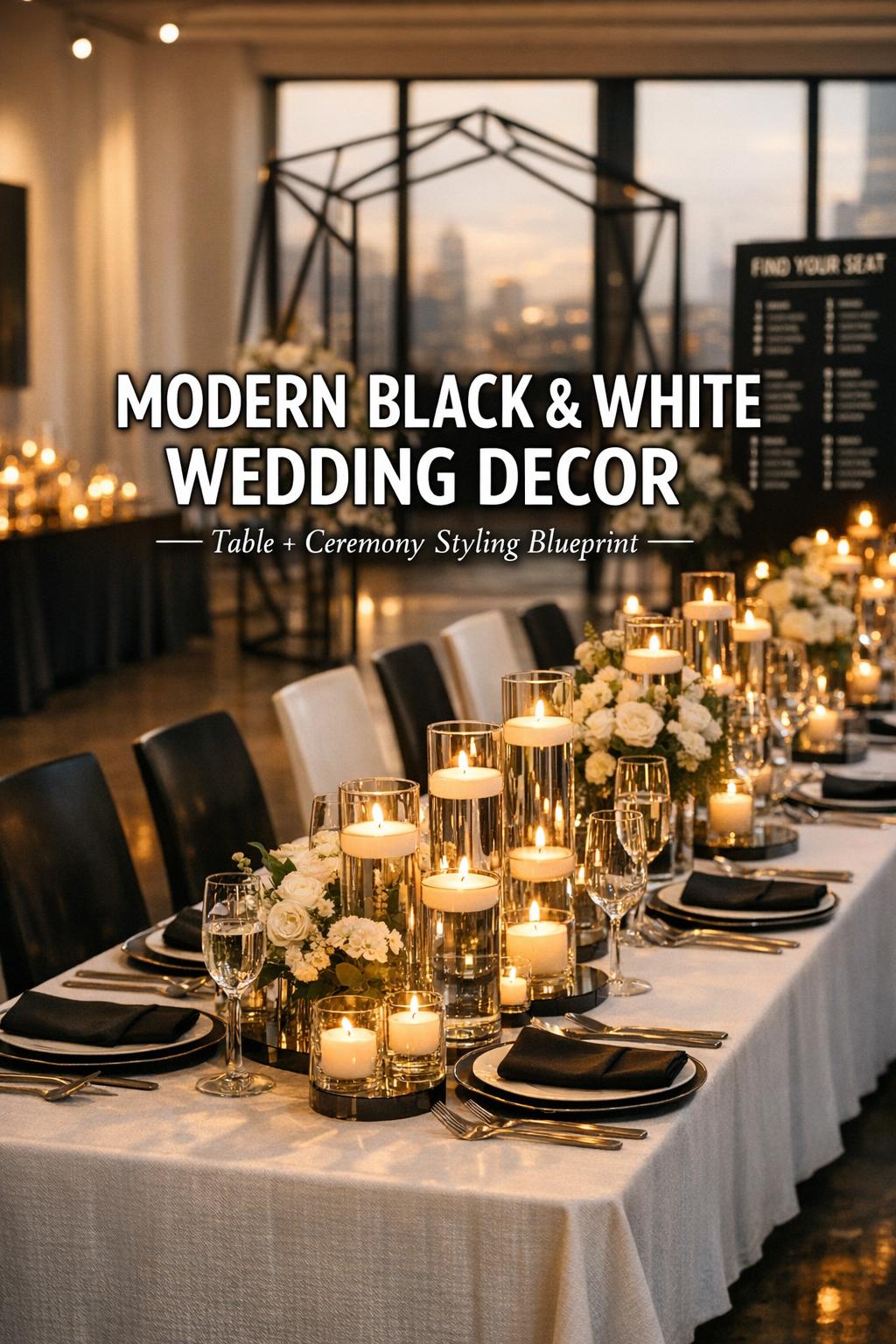
Candlelight is a recurring foundation in modern monochrome weddings because it adds warmth without changing your palette. Floating candles and candle clusters in glass create a clean, modern glow that works in formal venues as well as more relaxed settings. When you build lighting consistently across tables and focal points, black accents feel sleek rather than heavy.
Tip: Use candlelight to connect spaces. If the reception tables have candles, echo that glow at the bar, the seating chart, and any lounge vignette so the entire room feels cohesive.
Signage materials and typography that feel modern
Modern black-and-white signage is usually defined by clear contrast and clean lettering. The most effective approach is to pick a consistent style for welcome signage, seating charts, bar signs, and table numbers so the event feels curated. Whether your signs are light or dark, clarity is the goal: guests should be able to read them easily, and the design should photograph well.
Accent details: glass, mirrors, crystal-like sparkle, metallic edges
If your decor feels like it needs “something,” resist the urge to add a third color first. Instead, add dimension through accents that interact with light. Glass vessels, mirrored surfaces, crystal-like details, and metallic edges can elevate a monochrome tablescape while keeping the palette disciplined. This is especially effective in art museum or gallery settings where light and reflection are already part of the atmosphere.
Real-World Style Directions You Can Copy
Modern black-and-white weddings often fall into a few recognizable style directions. The advantage of knowing these “lanes” is that you can make faster decisions—because every decor choice can be tested against the vibe you’ve chosen.
Style direction 1: Museum or art-space modern formal
This look leans timeless and elevated: black-and-white linens, structured tables, luminous candles (including floating candle moments), and restrained floral choices that feel intentional rather than overflowing. The venue’s clean backdrop does a lot of work, so your decor can stay focused on a few strong elements and still feel high-end.
Style direction 2: Urban loft or gallery with geometric edge
In a loft or gallery-style room, black-and-white decor can feel especially modern when you emphasize geometry: clean frames, linear candle arrangements, graphic signage, and a monochrome lounge. Here, contrast reads best when it’s repeated in strong lines—black chairs against white linens, bold signage near white walls, and glass details that reflect ambient light.
Style direction 3: Garden or outdoor monochrome with bold anchors
Outdoor spaces add natural color and texture, so monochrome needs bold anchors to maintain a black-and-white identity. Black structural pieces (like an archway or chairs), crisp white linens, and clear signage help the decor read distinctly. Candlelit clusters and reflective glass details can help the reception feel warm as daylight fades, while keeping everything within the palette.
Tip: For outdoor ceremonies, prioritize the ceremony backdrop and the aisle rhythm. Those two areas will define most of your photos and create the strongest monochrome impression.
Vendors and Planning Resources: How to Source and Communicate Your Vision
Black-and-white weddings look simple on the surface, but they benefit from clear communication—especially for rentals, lighting, and signage. The easiest way to keep the look modern is to be specific about what “modern” means to you: clean lines, geometric shapes, candlelit glow, and a consistent signage style.
Quick vendor checklist for monochrome decor
- Linens and tabletop: confirm white linen options and black accent pieces that match your vibe (minimal vs glam)
- Lighting/candles: plan candle quantities and placements (tables, bar, lounge, entry moments)
- Signage: align on consistent design style for seating chart, bar signage, welcome sign, and table numbers
- Floral design: decide whether florals are supporting (minimal) or starring (more volume), while keeping the palette cohesive
- Rentals: coordinate chairs, candleholders, and any geometric decor so finishes and lines match
Sample brief template you can send to vendors
When you message vendors, keep it short and visual in your mind: describe the palette, the mood, and the two or three “must-have” moments. For example: “modern black-and-white, clean lines, candlelit glow; black metal archway for ceremony; white linens with black accents and glass candle clusters for reception; graphic seating chart and bar signage.” This level of clarity helps vendors recommend the right pieces without drifting into styles that don’t match your vision.
Tip: Ask vendors to keep finishes consistent across pieces (for example, matching candleholder tones with flatware tones) so the monochrome look feels intentional rather than mixed.
Practical Tips for Pulling Off Black-and-White Without Common Pitfalls
Because black-and-white is high-contrast, small inconsistencies can stand out. The best results come from simplifying decisions and repeating a few strong choices throughout the event.
Tips to keep the look warm (not stark)
Warmth in monochrome usually comes from glow and texture. Use candles and glass to create soft light, and introduce tactile elements through textiles and layered surfaces. If everything is matte and evenly lit, the palette can feel harsh; if the room has points of glow and reflective accents, it reads romantic and sophisticated.
Tips to keep it modern (not themed)
Modern design reads as intentional restraint. Choose clean signage typography, simple geometric forms, and consistent materials. Avoid overloading the room with too many different patterns or novelty items. A few strong statements—like a black metal archway, a graphic seating chart, and cohesive candle-and-glass tablescapes—often look more modern than dozens of separate decor “ideas” competing for attention.
Tips to make it cohesive from ceremony to reception
Repeat your strongest cues. If your ceremony uses a black structural frame, echo that black structure in signage frames or chair choices. If your reception relies on candle clusters in glass, carry that same candle style to the bar and lounge. Cohesion comes from repeating the same visual language across different moments, not from adding more items.
Downloadable-Style Resources and Next Steps (DIY-Friendly)
Even if you’re not creating formal downloads, you can plan like a pro by building a simple set of checklists and templates. The goal is to translate inspiration into a buildable plan: what gets set up, where it goes, and what it should look like under your venue lighting.
- Monochrome decor checklist: ceremony backdrop/arch, aisle moments, reception tablescapes, bar styling, seating chart, lounge vignette, photo moment
- One-page style guide: define your black, your white, your accent finish (silver/gold/crystal/glass), and your signage style
- Week-of setup notes: list the “hero” installs first (arch, seating chart, key signage), then the repeatables (candles, table pieces)
Tip: Treat candles, signage, and linens as your “system.” If those three categories are consistent, the wedding will look cohesive even if some smaller pieces vary.
Conclusion: Making Your Monochrome Wedding Uniquely You
Modern black and white wedding decor works because it’s both flexible and decisive. You can lean minimalist with a clean black metal archway and crisp tables, go glam with candlelit glass and metallic edges, or blend classic and modern with refined place settings and elegant signage. Start with your venue and budget, choose a few hero moments, and repeat your strongest materials and shapes across the day. With the right balance of contrast, texture, and warm lighting, monochrome becomes not just a color palette, but a complete design language that feels intentional from the first look to the last dance.
FAQ
How do I make modern black and white wedding decor feel warm instead of stark?
Prioritize warm ambiance through candlelight and reflective materials like glass, and add dimension with texture so the palette doesn’t feel flat; repeating candles across tables, the bar, and key vignettes helps the entire room feel cohesive and inviting.
What are the easiest high-impact decor upgrades for a black-and-white reception?
Focus on tablescapes (white linens with black accents), a consistent candle plan, and one or two statement moments such as an elegant seating chart or a photo-worthy bar setup, since these are both visible to guests and highly photographed.
What centerpiece styles work best for monochrome weddings?
Candle-forward centerpieces in glass, floating candle looks for formal spaces, and white-forward florals supported by black accent styling all work well; the key is consistency in silhouette and placement so the room reads intentional from a distance.
How can I use geometric decorations without making the decor feel busy?
Choose one geometric “language” (such as clean frames, linear arrangements, or repeated angles) and repeat it across a few elements like table numbers, signage stands, or candleholders, keeping everything else restrained so the geometry reads modern rather than cluttered.
What signage matters most in a modern black-and-white wedding?
Seating charts and bar signage tend to create the strongest decor moments because guests gather there; keeping typography clean and contrast high (black on white or white on black) makes the signage both functional and visually cohesive.
How do I adapt a black-and-white palette to different venues like museums, lofts, or outdoor spaces?
Museums and art spaces often support restrained, formal styling with clean lines and candlelight, lofts and galleries pair well with geometric edge and monochrome lounges, and outdoor spaces usually need bold anchors like black structural pieces and crisp signage so the palette reads clearly against natural surroundings.
What are common mistakes to avoid with black-and-white wedding decor?
The most common issues are mixing too many finishes and styles, using black so heavily that the room feels weighed down, or skipping layered lighting; keeping a consistent signage style, repeating a few materials, and using candlelight to soften contrast prevents these problems.
Can I do a budget-conscious modern monochrome wedding and still make it look elevated?
Yes—concentrate spending on high-visibility, repeatable elements like linens, candles, and a clear signage moment, then simplify florals and limit decor variety so the look stays cohesive and intentional without requiring a large number of different pieces.
Leave a Reply