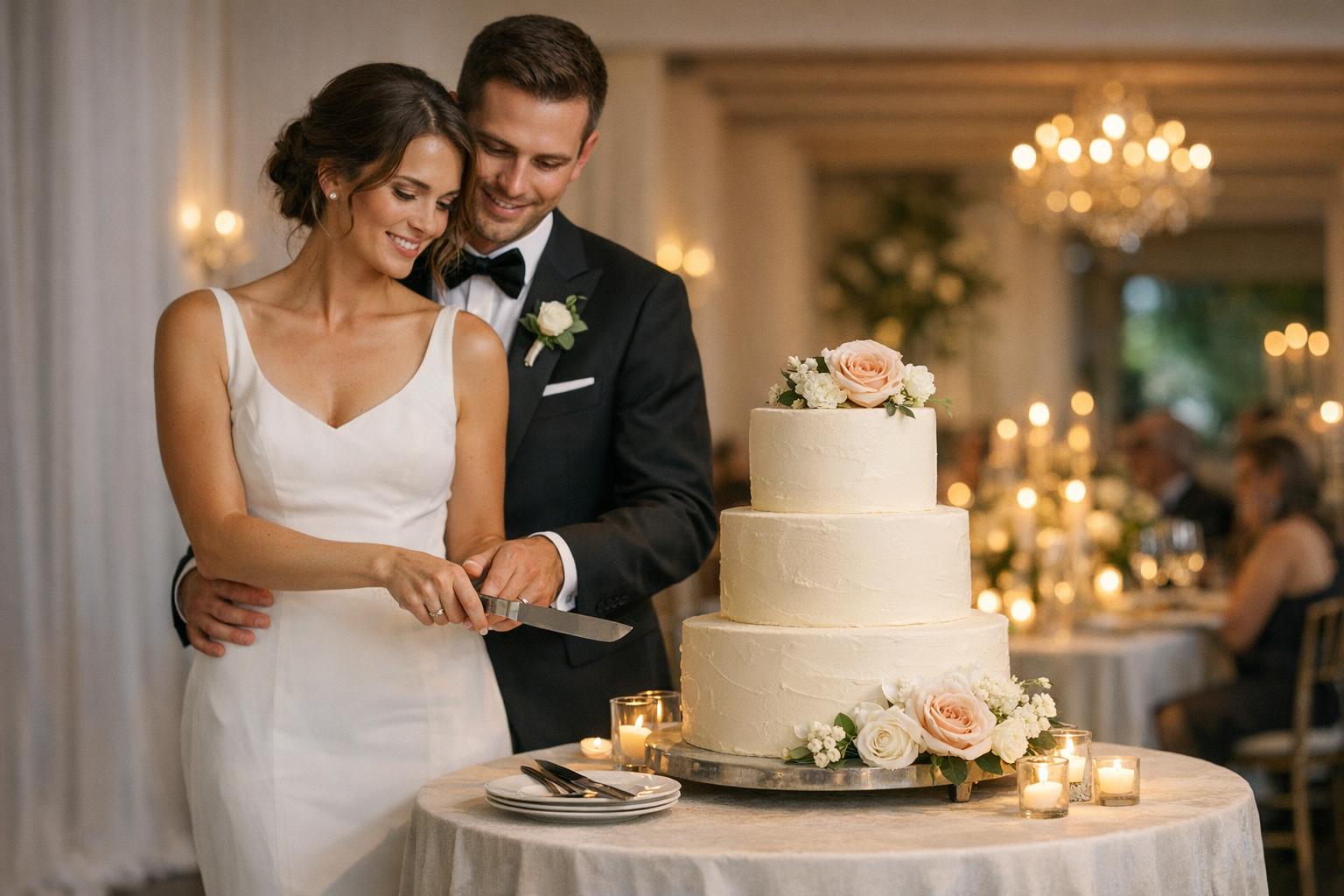
The sweetest moment of a wedding often isn’t the first dance or the sparkler exit—it’s the pause right before you cut the cake, when every guest leans in and your photographer says, “Hold that.” Suddenly, your cake isn’t just dessert. It’s a centerpiece, a photo backdrop, and a symbol of the day you’ve been dreaming into existence.
That’s exactly why choosing wedding cake designs can feel surprisingly hard. You’re balancing beauty and budget, style and venue, what photographs well and what tastes incredible. And with so many cakes for weddings on your inspiration board, it’s easy to love everything—and commit to nothing.
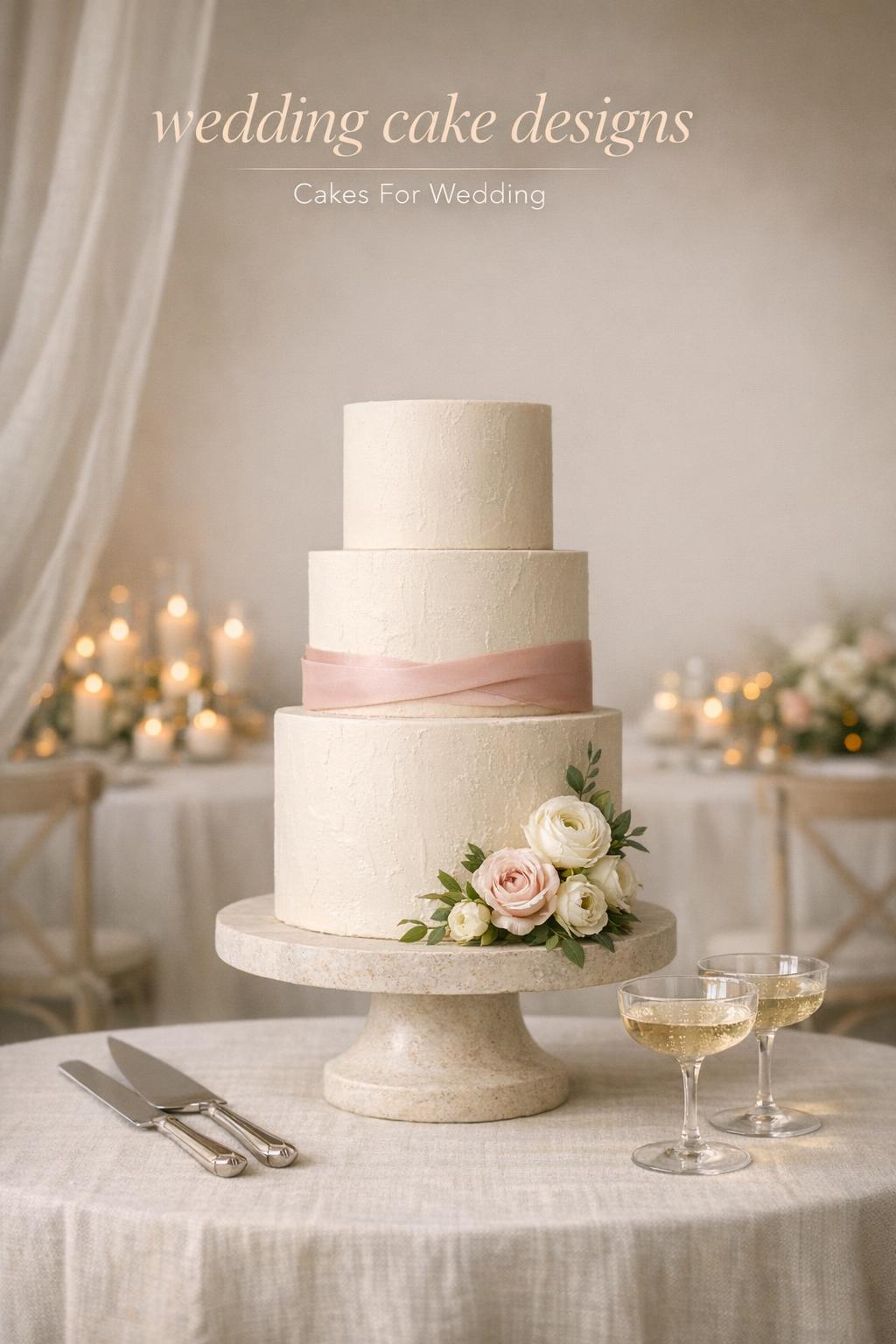
This guide is designed to help you make a confident, clear choice. You’ll learn how to match wedding cake inspiration to your wedding style, how to avoid the most common planning pitfalls, and how to translate a dream wedding cake into something practical your baker can execute beautifully—without losing the romance of the moment.
Understanding the styling challenge: when a cake has to match the whole wedding
A wedding cake is one of the few details that moves through multiple “worlds” of the day. It sits in the reception space like décor, it appears in portraits like a prop, and it’s served like food. That means your cake design has to do more than look pretty—it has to align with your dream wedding decorations, your venue lighting, your menu, and even your timeline.
The challenge usually shows up in three places. First, couples fall in love with a design that doesn’t suit the venue (a towering formal cake in a tiny intimate room, or a delicate minimalist cake in a visually busy ballroom). Second, they choose aesthetics that don’t travel well through heat, humidity, or long reception hours. Third, they focus so much on looks that flavor and serving logistics become an afterthought—until the final planning week, when changes are stressful and expensive.
Once you see the cake as part of a “style system”—venue + palette + florals + table styling + lighting + service—you can choose wedding cake designs that look intentional, photograph like a dream, and still feel effortless when it’s time to serve.
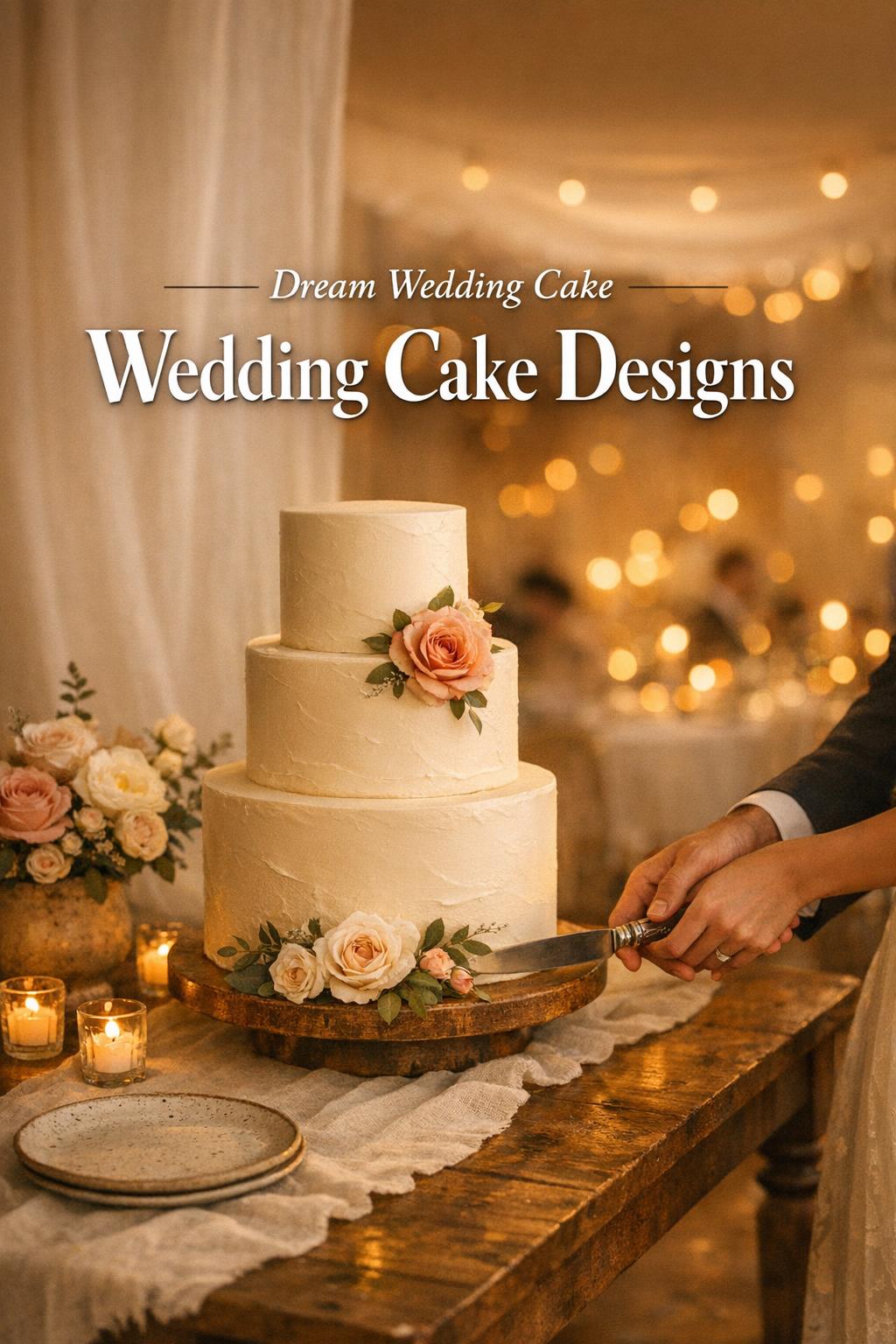
Key design principles that make wedding cakes feel intentional (not random)
Before you pick specific wedding cake designs, anchor yourself with a few principles. These are the same decision rules wedding stylists use to keep the cake from feeling like an “add-on” detail.
Start with your wedding’s style words—then match shape and finish
Choose two or three style words for the day—think romantic, modern, garden, minimalist, vintage, coastal, boho, luxury. Then translate those words into cake structure (tiers, height, silhouette) and finish (smooth, textured, hand-painted, floral). When your cake’s silhouette matches the mood of the room, it reads like part of the design plan instead of a separate “Pinterest moment.”
Let one element lead: color, texture, or topper—never all three
The most elegant cakes for wedding celebrations usually have one hero detail. If you want bold color, keep the texture simple. If you want dramatic texture (ruffles, sculpted buttercream), keep the palette quiet. If you want a statement topper, scale back on florals or pattern. This avoids visual clutter and makes your dream wedding cake easier to execute cleanly.
Match “formality level” to your venue and tablescape
Formality is a styling language your guests recognize instantly. A sleek, tall tiered cake often feels black-tie, while a softer, organic design can feel garden or coastal. If your dream wedding decorations include crisp linens, structured centerpieces, and candlelight, a polished finish will feel harmonious. If your décor is airy and natural, a more relaxed finish will feel right.
Plan for real-world conditions: time, temperature, movement
Cakes are designed in a kitchen, transported in a vehicle, assembled on-site, and displayed for hours. That reality should shape your design choices. If your reception space runs warm, if you have an outdoor cocktail hour, or if the cake sits under direct lighting for long stretches, choose finishes and decorations that stay stable and photo-ready.
Wedding cake designs that solve specific “wedding day” problems
Instead of scrolling endlessly, choose a design based on the problem you’re actually solving—venue scale, timing, weather, budget, or décor complexity. The following ideas are meant to feel like a fashion guide for your reception: practical, flattering, and deeply tied to the atmosphere you’re creating.
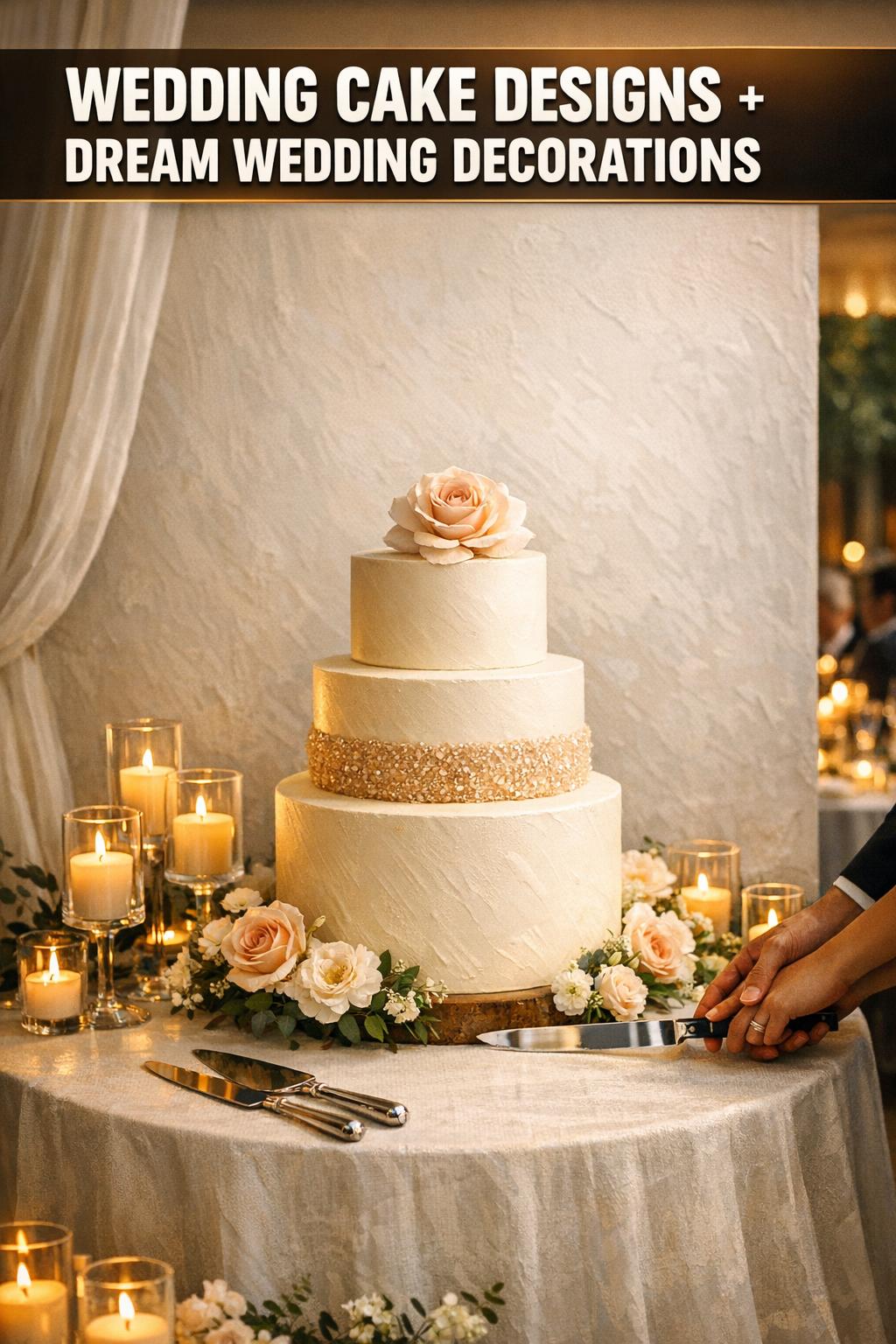
Design solution: modern minimalist cake for a visually busy reception
If your venue has dramatic architecture, patterned carpet, statement chandeliers, or an already layered tablescape, a minimalist cake can be the calm, editorial anchor. Think clean lines, smooth finish, and restrained detailing—perhaps a single floral moment or a subtle texture. This approach keeps the cake from competing with the room, and it photographs beautifully in wide shots.
This is a particularly smart choice when your dream wedding decorations include multiple focal points—like an elaborate sweetheart table, a dense floral install, and bold place settings. Your cake becomes the “white space” in the visual story, which makes the whole room feel more expensive and intentional.
Design solution: romantic garden-inspired cake that ties into florals
For garden weddings and floral-forward styling, your cake can echo the softness of your bouquet and ceremony arrangements. A romantic design usually leans on gentle movement: airy placement of flowers, delicate color, and a finish that feels less rigid. The key is to coordinate with your florist and baker so blooms feel integrated rather than “stuck on.”
When done well, this style becomes instant wedding cake inspiration for guests—because it looks like it belongs to the season and setting. It also makes the cake table feel like part of the reception décor, not an afterthought tucked near the kitchen doors.
Design solution: textured buttercream for couples who want softness without fuss
Textured finishes are a beautiful compromise when you want a romantic look but don’t want a design that feels too formal. Texture adds dimension under candlelight and reads well in photos, especially close-ups during the cake cutting. It also helps minor imperfections disappear, which can be helpful if your venue setup is fast or your timeline is tight.
This is often where a dream wedding cake becomes realistic: you get an elevated, handcrafted feel without relying on heavy décor, complicated color work, or delicate details that require extended on-site assembly.
Design solution: a statement tiered silhouette for classic and luxury aesthetics
If you’re planning a formal reception—ballroom lighting, a structured timeline, and classic styling—a taller tiered cake creates the kind of “moment” guests expect. The silhouette itself becomes the design. Even a restrained finish can look dramatic when the scale is right, especially when placed on a proper cake table with intentional lighting.
This option works best when you can give the cake physical space: a dedicated table, clean backdrop, and room for the photographer to shoot from multiple angles. It’s a true centerpiece—so treat it like one, the same way you would a ceremony arch or head table.
Design solution: coastal and destination-ready styling that won’t fight the environment
Coastal weddings are magical—and also full of styling constraints: humidity, wind, and bright sun that reveals every small detail. In this setting, prioritize stable structure and finishes that hold up. A simpler design that leans into the setting can feel more luxurious than an overly delicate concept that struggles in the elements.
Think about how the cake will look when the room warms up and the schedule shifts. A design that remains calm, clean, and cohesive with the ocean-air vibe will read as effortlessly elegant—exactly what many couples mean when they say “dream wedding decorations” for a coastal celebration.
Design solution: vintage-inspired detailing for timeless romance
Vintage-inspired wedding cake designs shine when the rest of the styling supports them: soft candlelight, classic table shapes, romantic stationery, and a palette that feels gently aged rather than stark. The trick is restraint—choose one or two vintage cues and let them breathe, so the cake feels timeless instead of themed.
This is a particularly meaningful direction if your wedding includes heirloom details or family traditions. A cake can quietly echo that sentiment, turning dessert into a story your guests can feel even if they don’t know the backstory.
Turning wedding cake inspiration into a plan your baker can execute
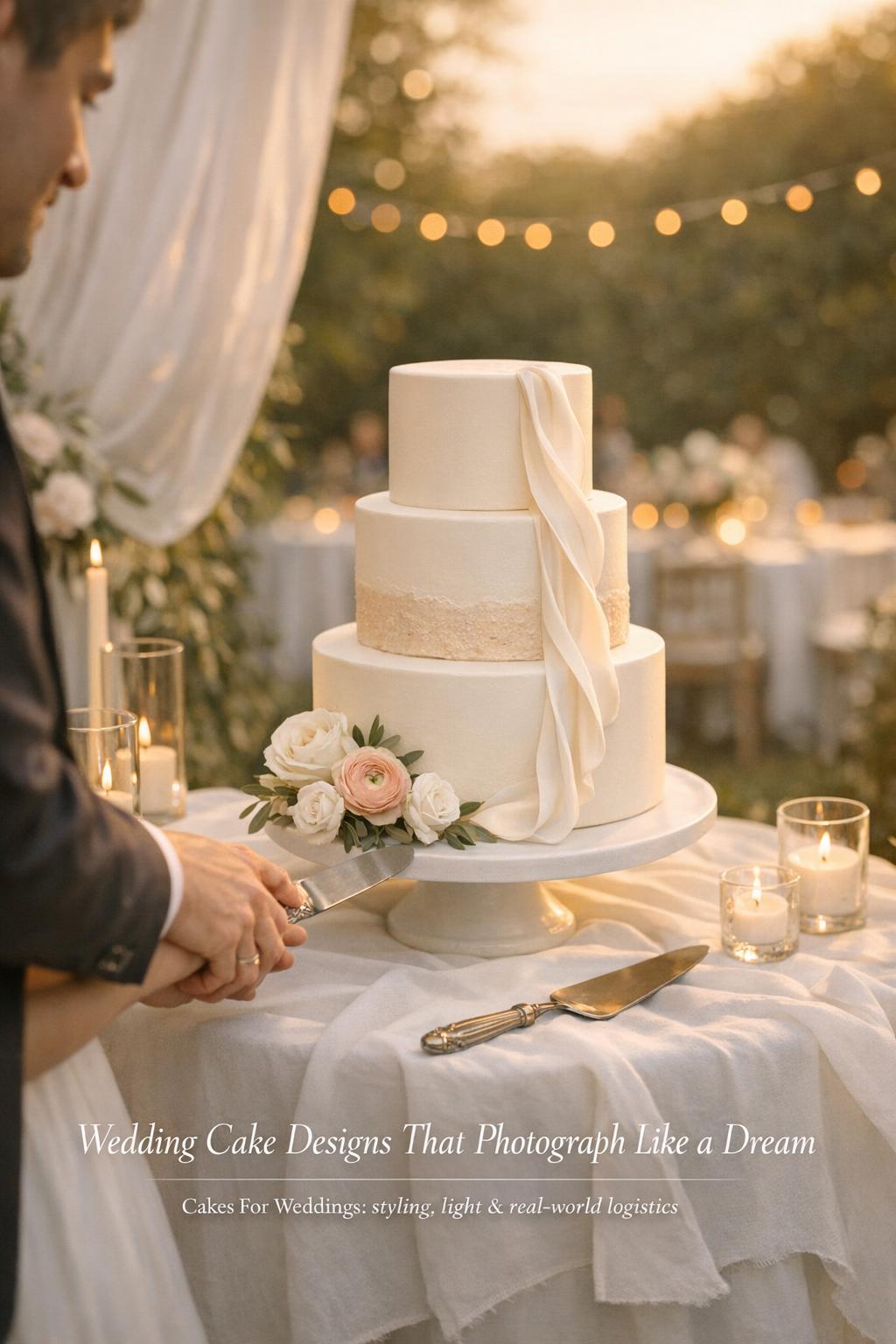
A common reason couples feel disappointed is that they bring ten screenshots with ten different design languages—and the baker has to guess what you really want. The solution isn’t fewer ideas; it’s clearer communication.
- Choose one “primary” reference cake that best matches your venue and décor, then use 2–3 supporting images for specific details (a texture, a floral placement, a palette).
- Describe the mood in plain language (romantic and airy, modern and clean, classic and formal) so the design choices align with your intention.
- Identify what matters most to you: flawless finish, dramatic height, a floral moment, or a specific overall vibe.
- Confirm what’s flexible so you can adapt if a specific detail doesn’t work with season, venue conditions, or budget.
This approach protects your dream wedding cake from turning into a confusing mash-up. It also helps your baker price accurately and plan the logistics of delivery and setup.
How to coordinate your cake with dream wedding decorations
The easiest way to make wedding cake designs look “expensive” is to make them look integrated. Coordination doesn’t mean matching everything—it means repeating a few intentional cues so the cake belongs to the room.
Palette: repeat one shade from your florals or linens
If your reception palette is layered, pull just one shade into the cake design—perhaps in a subtle accent, a gentle wash, or a small decorative element. This creates connection without making the cake feel overly styled or overly literal.
Texture: echo what’s already in the room
Look around your design plan: do you have soft draping, garden blooms, sleek acrylic signage, vintage candlesticks, or minimalist ceramics? Choose a cake texture that speaks the same language. Smooth and sharp suits modern rooms; soft texture suits romantic, floral-heavy spaces.
Cake table styling: treat it like a “mini scene,” not a leftover corner
A beautiful cake can disappear if the setup is an afterthought. A dedicated cake table, clean backdrop, and intentional lighting make a larger difference than many couples expect. It’s also kinder to your photographer—who can capture the cake as part of the wedding story, not as a rushed snapshot between events.
Practical “fashion guide” logic for cake design: balancing silhouette, detail, and comfort
In fashion, the most flattering looks balance silhouette and detail. Cakes work the same way. Your cake silhouette is the “outfit,” and your details are the “accessories.” Too much of both can feel overwhelming; too little of both can feel underwhelming in a large room.
If you want a sleek, modern silhouette, lean into height and proportion and keep details minimal. If you want a softer silhouette, add controlled texture so it still holds its presence. If you want heavy décor on the cake table (florals, candles, signage), choose a simpler cake so the full scene stays balanced. This styling logic is the difference between a cake that looks pretty up close and a cake that looks perfect across the room.
Outfit-style solutions: choosing cakes for wedding settings and constraints
Below are situational solutions—like outfit formulas—based on the real constraints couples face. Use them to narrow your choices quickly while still honoring your personal taste.
Outfit solution: the “all-day photo-ready” cake for long receptions
If your cake will be displayed for hours (especially if the cutting happens later), prioritize a finish that stays elegant over time and under lighting. A clean, stable design with restrained detailing tends to look consistent from cocktail hour through late-night photos. This is ideal for couples who want wedding cake inspiration that looks just as good in real life as it does in edited images.
Outfit solution: the “small wedding, big impact” cake for intimate rooms
For intimate weddings, a cake can be smaller and still feel special—if you give it a strong visual point of view. Choose one standout element (a dramatic silhouette, a romantic floral cluster, or a unique texture) and keep everything else quiet. In smaller rooms, guests see details up close, so finishing quality and proportion matter more than size.
Outfit solution: the “decor-friendly” cake when your tablescape is the star
If your dream wedding decorations include elaborate centerpieces, layered place settings, or a dramatic head table, your cake should complement—not compete. A pared-back design that repeats one palette cue will fit seamlessly. It’s a graceful choice for couples who love detail but want the room to feel curated rather than crowded.
Outfit solution: the “stress-less” cake for tight timelines and vendor turnovers
If your venue has strict load-in rules, multiple events in one day, or limited setup time, pick a design that doesn’t require extensive on-site assembly. Clean structure and controlled details help your baker set up efficiently and help you avoid last-minute compromises. Your dream wedding cake should feel calming—not like one more thing that could go wrong.
Tips from the planning trenches: what couples wish they asked earlier
After years of wedding planning conversations, the same regrets come up: couples finalize the design without considering lighting, they underestimate how much the cake table matters, or they skip the “comfort” questions—like when the cake will be served and how it will be stored.
Tips that make an immediate difference: ask where the cake will be displayed, what the lighting is like in that spot, and whether it’s near heat sources or high-traffic pathways. Confirm your cutting time early so the cake isn’t sitting longer than necessary. And make sure your cake design doesn’t rely on perfection in an environment that’s unpredictable—because weddings are joyful, but they’re also real life.
If you’re collecting cakes for wedding inspiration, keep a simple note next to each image: “Love the height,” “Love the texture,” “Love the floral placement.” That tiny habit turns scrolling into decision-making—and helps your baker recreate what you actually mean.
Common mistakes with wedding cake designs (and what to do instead)
Mistake: choosing a cake that matches your dress, not your reception
It’s natural to want the cake to feel like you—especially if you’ve fallen in love with a romantic gown or a sleek modern look. But the cake lives in the reception environment, not the bridal suite. Instead, match your cake to the reception mood: lighting, tables, florals, and venue architecture. You’ll still feel seen—because the whole room will reflect your taste.
Mistake: overloading the design with too many trends at once
Trends are fun, and they can absolutely belong in a wedding. The issue is stacking multiple statement features—bold color plus heavy texture plus elaborate décor—until the cake loses its focal point. Choose one trend detail and let it be the hero; your photos will look more timeless, and your cake will look more refined.
Mistake: forgetting the cake needs a “scene”
A beautiful cake placed next to a service door, under harsh lighting, or on a cluttered table can look underwhelming. Instead, plan the cake table like you would any other design moment. A calm backdrop, flattering light, and a little breathing room turn cakes for weddings into a true feature.
How to choose between multiple cakes for wedding options without second-guessing
If you’re stuck between a few wedding cake designs, don’t ask, “Which one is prettiest?” Ask, “Which one solves my wedding’s constraints while still feeling like us?” That shift reduces decision fatigue instantly.
- Pick the cake that fits the venue scale (not the one that looks best in a studio photo).
- Choose the design that complements your décor complexity (minimal cake for maximal décor, or vice versa).
- Commit to a finish you trust in your conditions (especially for warm spaces or outdoor settings).
- Prioritize your guest experience by balancing showpiece design with a serving plan that feels smooth and celebratory.
When you decide this way, your dream wedding cake becomes less about chasing an image and more about creating a moment—one that feels natural in your day, from the first toast to the last slice served.
A final layer of romance: making the cake-cutting feel like part of the story
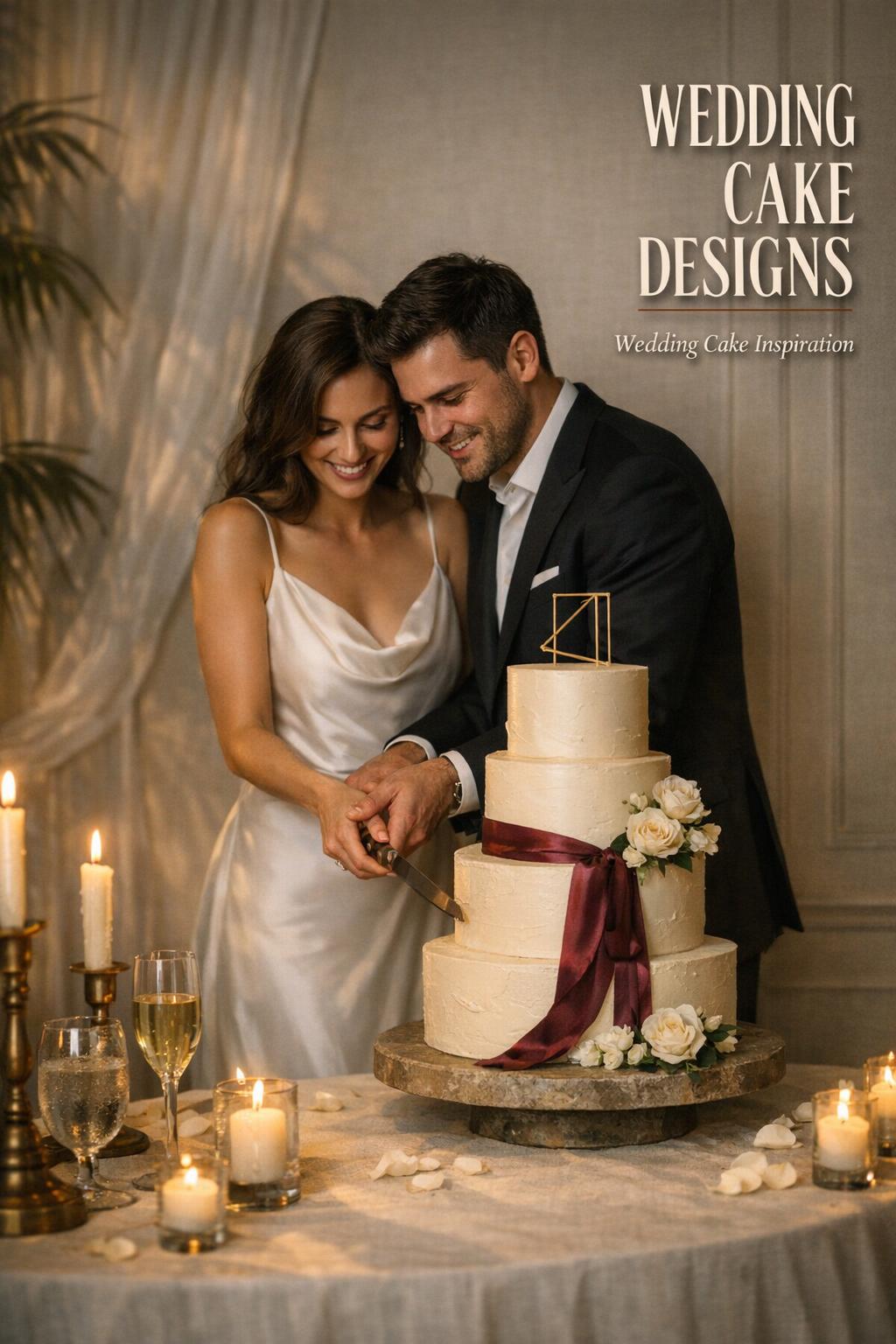
Once you’ve chosen your design, give the moment the attention it deserves. Tell your planner or venue coordinator when you want the cutting to happen, make sure the cake table is photo-ready, and consider how guests will gather without crowding. The goal is a calm, cinematic beat: you together, hands on the knife, laughter close by, and a cake that looks like it has always belonged in the center of your celebration.
Your wedding cake inspiration doesn’t have to stay on a screen. With a clear style direction, a practical plan, and décor coordination that makes sense, you can choose cakes for wedding celebrations that feel personal, polished, and completely you—down to the final crumb.
FAQ
How do I choose wedding cake designs that match my wedding theme?
Start by naming two or three theme words (such as modern, romantic, garden, minimalist, vintage, coastal, or luxury), then match them to the cake’s silhouette and finish; the more your cake structure and texture reflect the same mood as your venue, florals, and tablescape, the more cohesive it will feel.
What’s the easiest way to turn wedding cake inspiration photos into something my baker can recreate?
Choose one primary reference image for the overall look and add just a few supporting images for specific details (like texture or floral placement), then describe the mood in plain language so your baker understands what to prioritize and what’s flexible.
How do I coordinate my cake with dream wedding decorations without making everything match exactly?
Repeat one or two cues—like a single color from your florals or a texture that echoes the room—while keeping the rest of the cake design restrained, which creates a clear connection without making the cake feel overly themed.
What wedding cake designs work best for outdoor or warm-weather weddings?
Choose designs that prioritize stability and simplicity in the finish, and plan for real conditions like heat, humidity, wind, and long display time; a clean, intentional design often holds up and photographs better than delicate details that can struggle outdoors.
How can I make a smaller cake feel like a dream wedding cake?
Give a smaller cake one strong focal point—like a striking silhouette, a refined texture, or a romantic floral accent—and style the cake table thoughtfully so the overall scene feels intentional and elevated.
Where should the cake table go in the reception space?
Place it where it has flattering light, a clean or visually calm backdrop, and enough space for guests and your photographer to gather comfortably, since a beautiful cake can look underwhelming if it’s tucked into a high-traffic corner or harsh lighting.
How do I avoid choosing a cake that looks good online but feels wrong at my venue?
Evaluate each design against your venue’s scale and style—architecture, lighting, and décor complexity—because the best choice is the one that visually “belongs” in your reception space, not necessarily the one with the most dramatic close-up photo.
What’s the most common mistake couples make when selecting cakes for weddings?
The most common mistake is trying to include too many statement details at once, which can make the cake feel visually busy; choosing one hero element and simplifying the rest usually creates a more refined, timeless result.
Leave a Reply