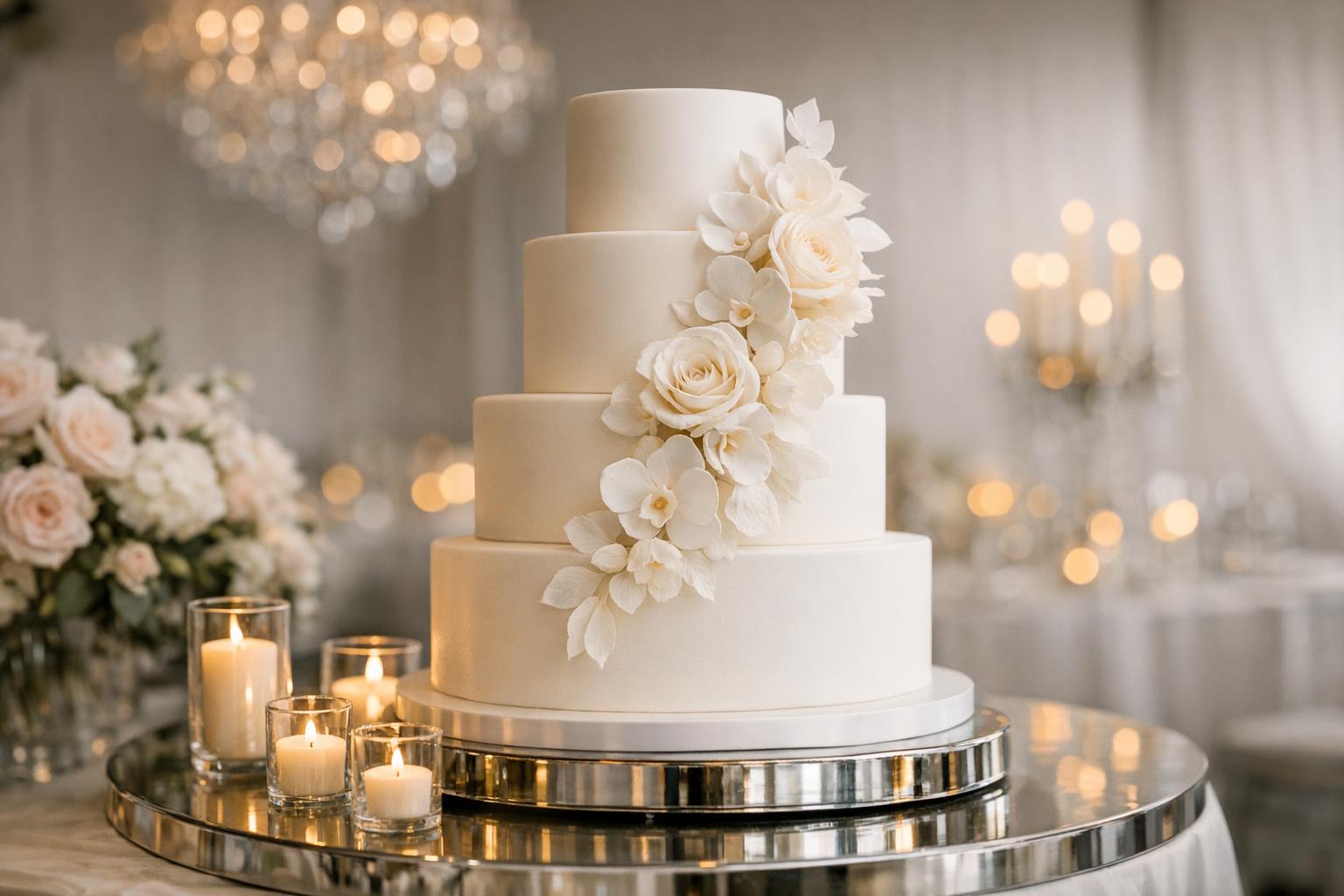
The moment you decide on luxury wedding cake design, you’re not just choosing dessert—you’re choosing a visual “finale” that will sit under chandeliers, camera flashes, and everyone’s expectations. It’s the one wedding detail that has to look couture in a photo, survive a long reception, and still taste like something your guests actually want to eat.
The styling challenge is real: couples fall in love with dramatic, beautiful wedding cakes unique enough to feel personal, then discover the practical hurdles—tier height, venue temperature, transport, timing, and the tension between sculptural artistry and a clean slice. Add in the desire for something luxury wedding cake unique (without being too “trendy” in a year), and decision fatigue sets in quickly.
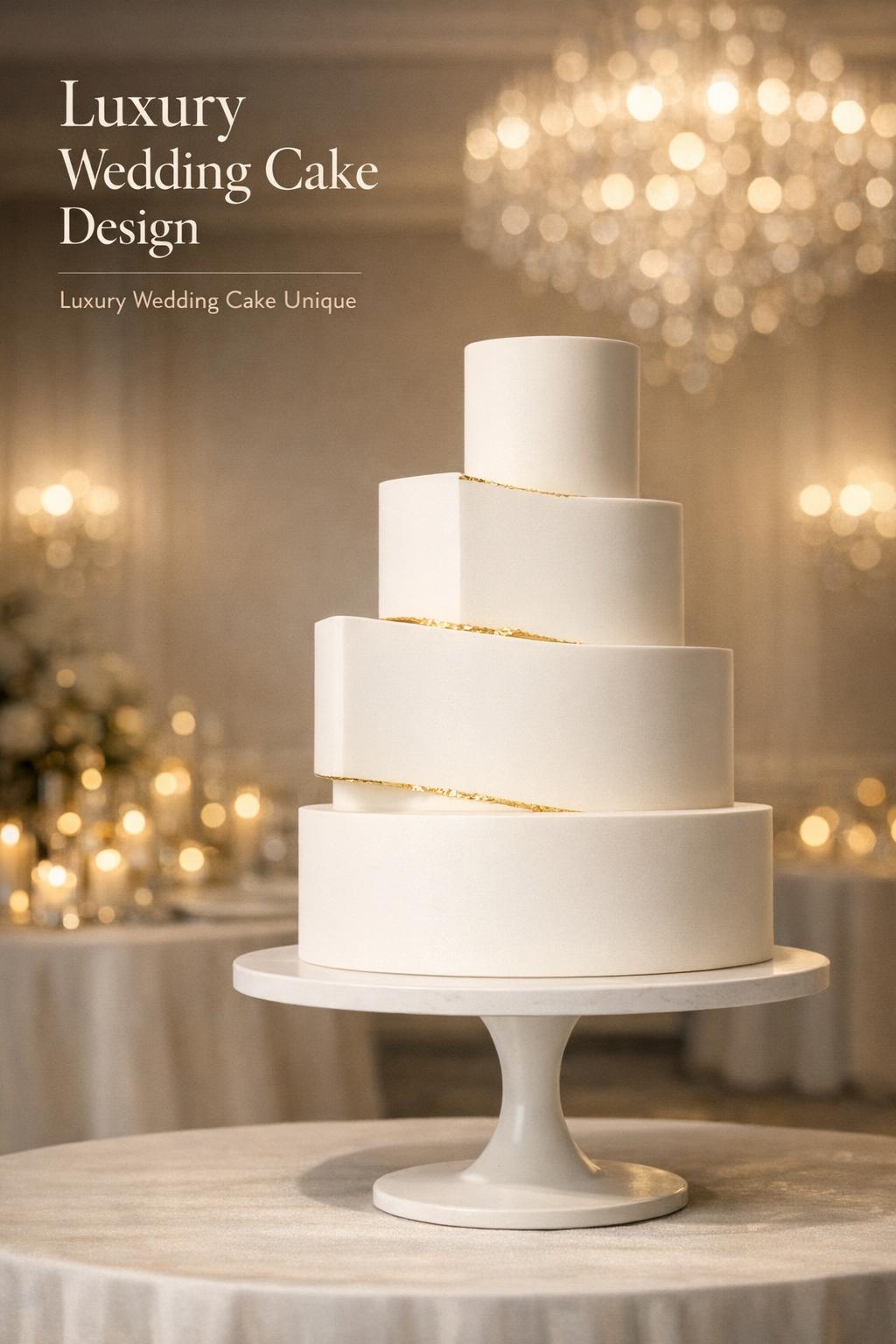
This guide solves that problem the way a wedding stylist and planner would: by translating wedding cake ideas into a clear design brief, showing you how to balance trend-forward finishes (edible gold, sugar florals, sculptural elements) with engineering and logistics, and giving you realistic ways to work with a luxury wedding cake designer from first consult to last slice.
Understanding the styling challenge behind luxury wedding cake design
Luxury wedding cake design lives at the intersection of art direction and event reality. A cake is photographed like décor, displayed like a centerpiece, and handled like a food item. That combination creates predictable pain points—especially for couples who want wedding cakes big enough to feel like a statement.
The problem usually starts with inspiration overload. A gallery image of a towering, sculptural cake with hand-sculpted sugar flowers and edible gold might feel like “the one,” but your venue, timeline, and guest count set the real boundaries. Luxury cake work is also technique-heavy—wafer paper petals, 3D cake sculpture, and smooth fondant finishes each behave differently under heat, humidity, and time on display.
Finally, there’s the emotional layer: the cake often carries meaning. Couples want a design that reflects a mood (romantic garden, modern minimalist, grand black-tie) and ties into the event storytelling. The best outcomes happen when aesthetics, ingredient quality, and logistics are planned together instead of treated as separate decisions.
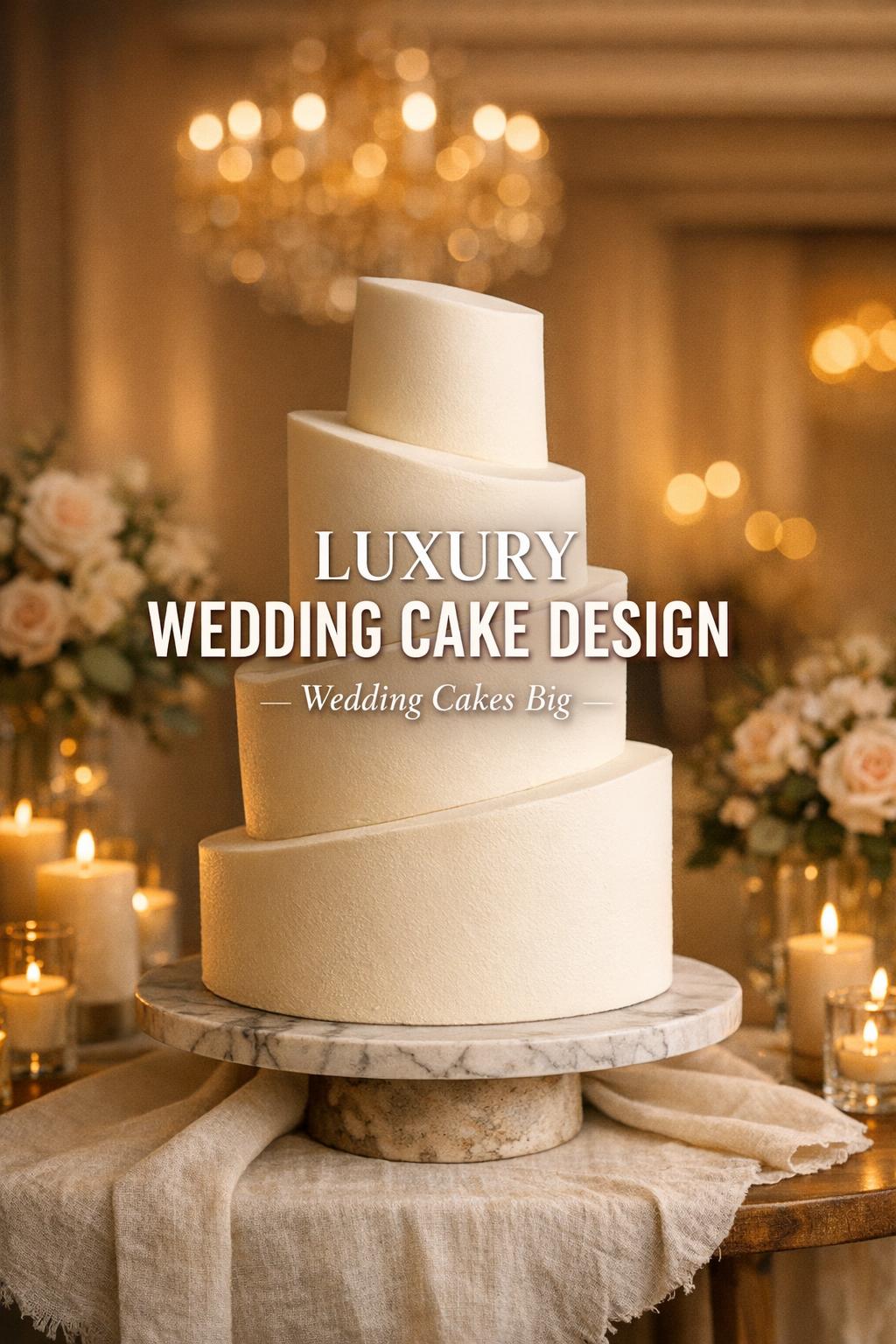
The core dressing principles (but for your cake): a stylist’s logic for a couture result
Think of your cake the way you’d think of a wedding look: silhouette, texture, finish, and movement all matter. A couture gown isn’t only about the fabric—it’s about how it sits, photographs, and holds up for an entire day. Luxury wedding cake design follows the same logic, just with edible materials.
Principle 1: Start with a “silhouette” that matches the venue and formality
Before you talk flavors or flowers, decide what shape your cake needs to be in the room. Wedding cakes big and tall read formal and architectural, especially in ballrooms or high-ceiling venues; a lower, wider profile can feel equally luxurious in intimate spaces where guests are closer to the details. Your silhouette decision influences engineering (support structures, stability, dowels) and also determines which design elements—like sculptural tiers or cascading sugar florals—will look intentional rather than crowded.
Principle 2: Choose one hero technique, then build support around it
Couples often try to combine every trend at once: wafer paper, hand-sculpted sugar flowers, metallic finishes, and 3D sculpture—then the cake loses clarity. A luxury wedding cake unique doesn’t need to be “everything.” Pick one hero technique (for example, hyper-real sugar flowers or a sculptural cake form), then use the other elements as quiet support, like texture or a subtle edible gold accent.
Principle 3: Decide early on the finish—fondant vs. buttercream—and accept the trade-offs
Finish is your “fabric.” Fondant is the classic path to crisp lines and sleek, editorial surfaces, while buttercream can deliver romantic softness and texture. Either can be used in luxury wedding cake design, but they speak different languages visually. A modern minimalist mood often benefits from clean surfaces; a romantic garden mood can handle painterly texture. Your finish also affects how the cake performs during transport and how it holds up on display, which is why this decision belongs in the early planning, not the final tasting.
Principle 4: Build a design that can survive the wedding day timeline
Luxury is partly invisible: stable construction, smart timing, and a plan for heat and handling. If your cake will be displayed for hours before cutting, your designer may recommend internal supports and a design that protects fragile details. Sculptural elements and delicate wafer paper can be breathtaking, but they must be planned with the venue environment and schedule in mind.
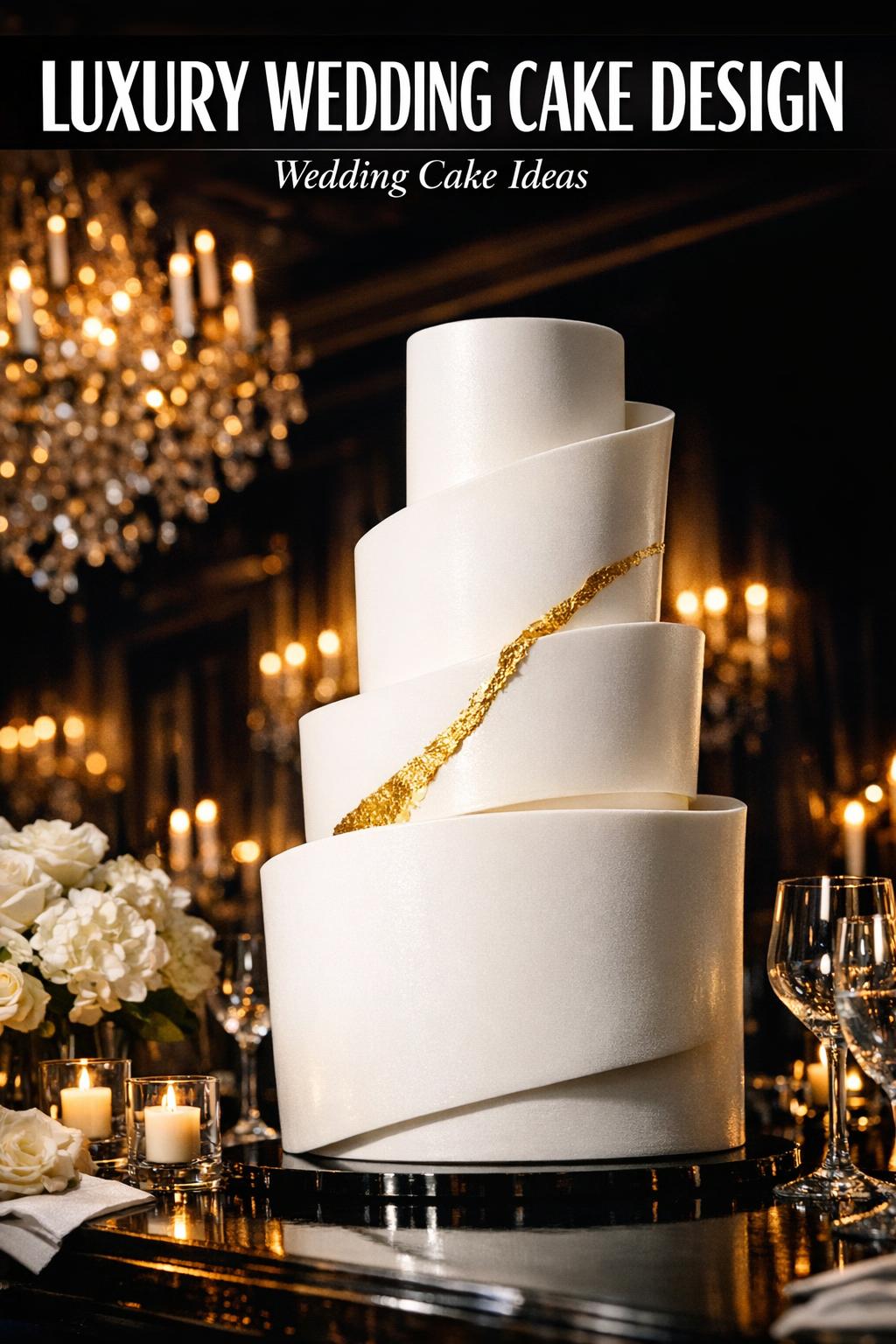
Trend-forward design directions that still feel timeless
Trends can be your best friend when they’re used as accents, not instructions. The most memorable wedding cake ideas tend to translate a trend into a personal signature—something your guests recognize as intentional, not copied. Below are design directions commonly associated with luxury wedding cake design, and how to use them in a way that still feels like you years from now.
Sculptural elements: the “runway silhouette” of modern luxury
Sculptural cake design is the equivalent of architectural tailoring: it’s about shape first. Think asymmetric tiers, bold negative space, or a 3D cake sculpture moment that turns the cake into a centerpiece. This style pairs beautifully with modern venues and minimalist décor because the form does the heavy lifting. If you want a luxury wedding cake unique without extra décor, sculptural structure is often the cleanest route.
Hand-sculpted sugar flowers: romantic impact with couture detail
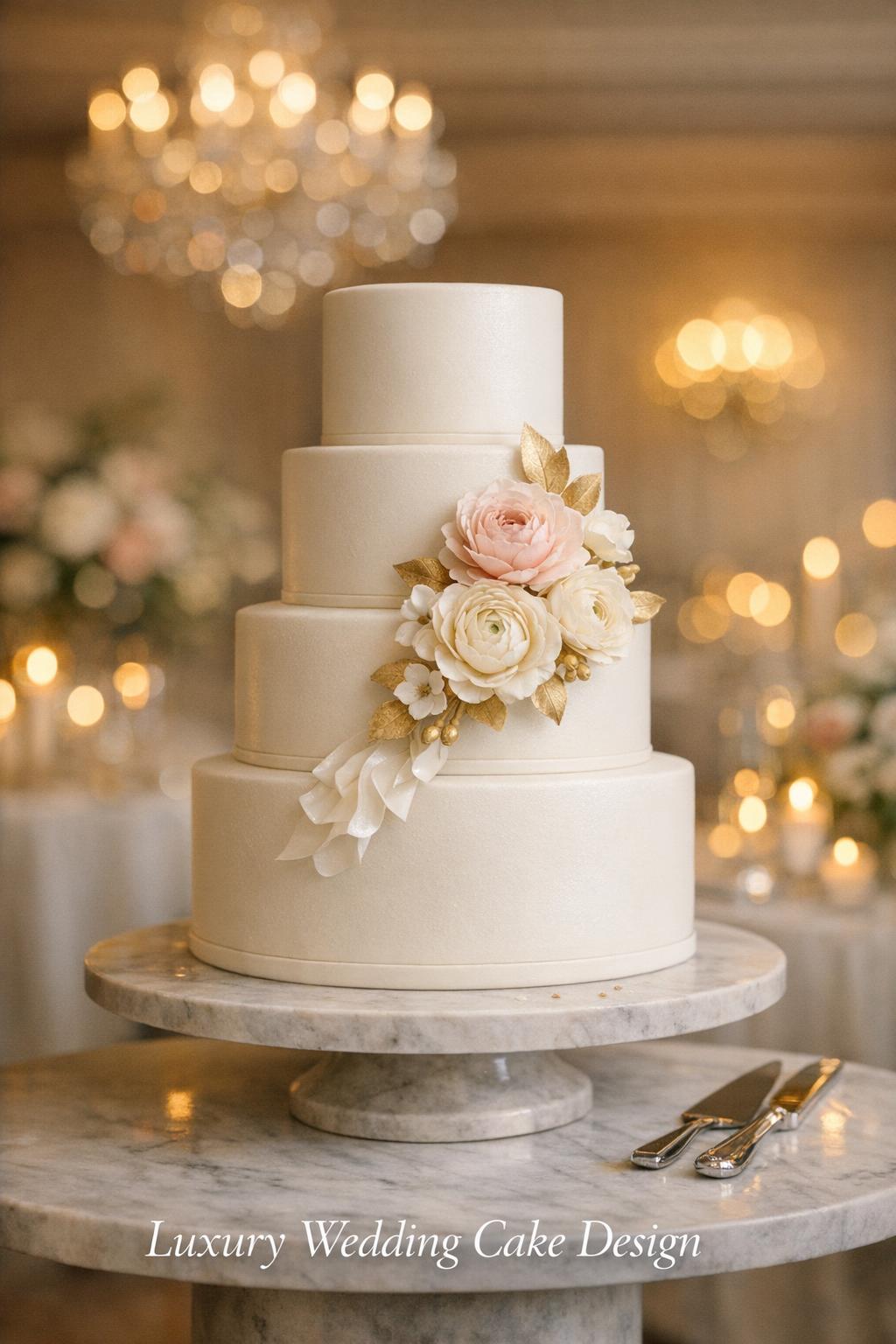
Sugar flowers are where craftsmanship becomes visible. Hand-sculpted petals can echo your bouquet, soften the geometry of wedding cakes big, and create a layered, romantic story without overwhelming the design. This approach works especially well when you choose a focused floral direction—one variety repeated with intention rather than a mix of everything.
Wafer paper: airy volume that photographs beautifully
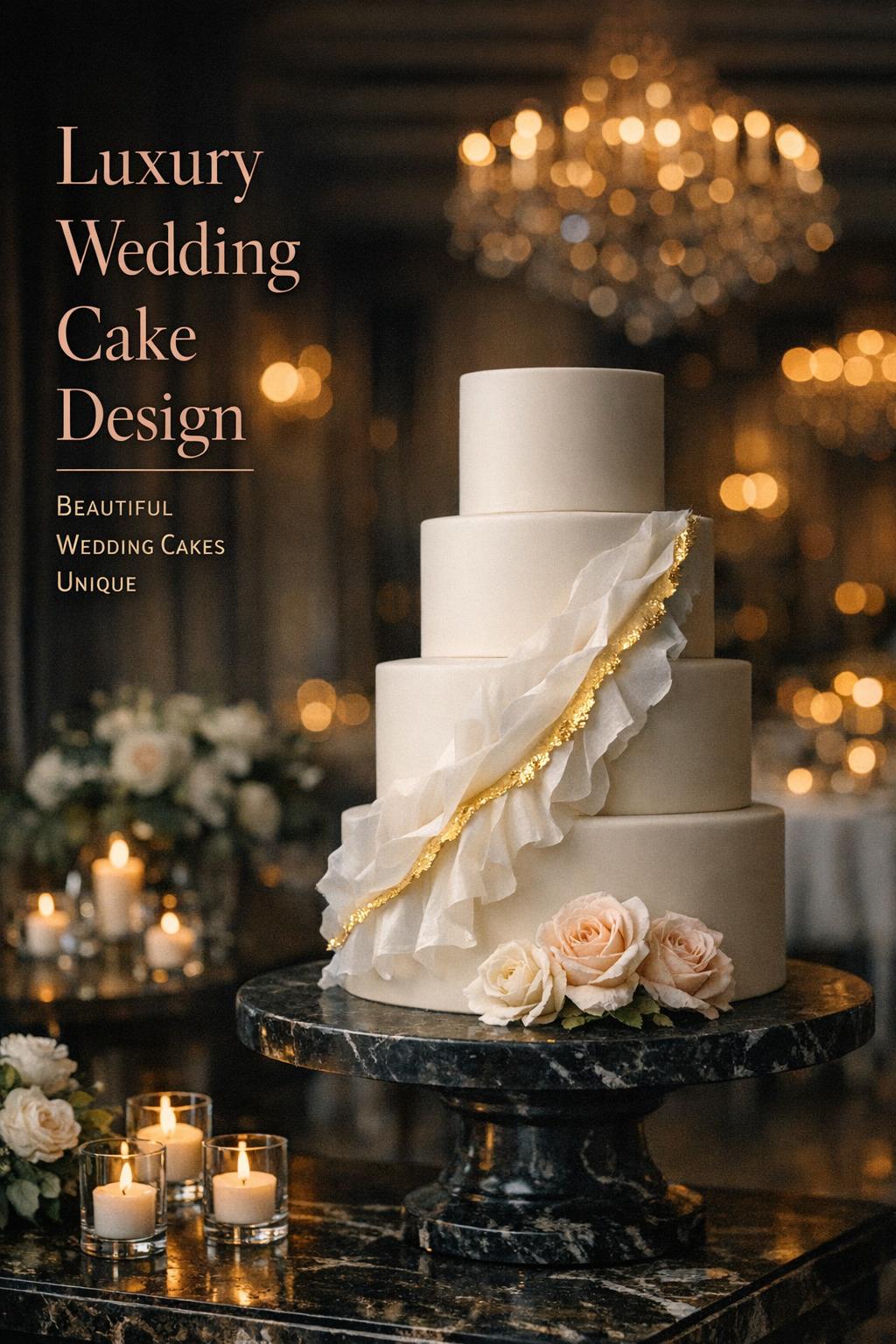
Wafer paper details can give you movement and lightness—ruffles, petals, or abstract waves—without the heavier visual weight that some sugar work can create. For couples chasing beautiful wedding cakes unique, wafer paper can be the “editorial flourish” that transforms a simple tiered cake into a fashion moment, especially when paired with a restrained color palette and a clean finish.
Edible gold: the easiest way to say “luxury” (when used sparingly)
Edible gold is a classic luxury signal, but it reads most expensive when it’s intentional: a fine edge, a brushed highlight over texture, or a small gilded accent that catches candlelight. Overuse can flatten the design and distract from craftsmanship. Used thoughtfully, edible gold connects beautifully to black-tie formality, warm lighting, and refined tablescapes.
Outfit solutions—reframed as cake solutions you can actually book
In wedding styling, you don’t solve a dress dilemma by collecting random pieces—you solve it by choosing a base and building a coherent look. The same approach helps you choose luxury wedding cake design that works in real life. Below are “solutions” that combine a clear aesthetic with practical logic, so your final choice survives the venue, the timeline, and the camera.
Outfit solution: the minimalist couture cake (clean finish + one statement detail)
If your wedding mood is modern, editorial, or quietly expensive, this is the most reliable path. Start with smooth, crisp tiers—often easiest to execute with a fondant-forward approach—then add one focal detail: a sculptural element, a single spray of sugar flowers, or a controlled touch of edible gold. The win here is clarity: from across the room it reads elegant, and up close it reads meticulous.
This solution also photographs consistently. Clean surfaces reflect light predictably, which matters when your cake is captured quickly during the reception. It’s ideal for couples who want luxury wedding cake unique, but prefer “design” over “decoration.”
Outfit solution: the romantic garden showpiece (sugar florals + soft texture)
For couples who picture a ceremony surrounded by blooms and a reception that feels like a love letter, this approach leans into hand-sculpted sugar flowers and a softer finish. Buttercream texture—whether subtle or more expressive—can set a romantic tone, while sugar flowers provide the couture craftsmanship that makes it unmistakably luxury wedding cake design.
To keep it from becoming visually busy, treat florals like styling accessories: choose a placement strategy. A cascading floral line can elongate the silhouette of wedding cakes big, while clustered florals can create intentional focal points for photography and display.
Outfit solution: the grand tiered statement (wedding cakes big + engineered stability)
If you want a cake that truly reads like a centerpiece—especially for large guest counts or dramatic venues—commit to height and proportion. A tall cake must be engineered as carefully as it is designed: internal support structures, stability planning, and the right tier sizing keep the cake secure and clean through transport and setup.
This is the moment to discuss logistics early with your luxury wedding cake designer: delivery access, setup timing, and display duration. The payoff is a cake that anchors the room—one of those beautiful wedding cakes unique that guests remember because it felt like part of the venue’s architecture.
Outfit solution: the fashion-forward art cake (sculptural form + wafer paper movement)
When the couple’s style is bold—think modern romance, gallery-like minimalism, or an avant-garde edge—this solution combines sculptural cake form with wafer paper movement. Wafer paper can add airy drama without adding heaviness, making it an excellent partner to architectural tiers.
Because this style depends on shape and detail, it benefits from a clear color plan and disciplined finishing. A small accent of edible gold can elevate the look without turning it into a metallic theme. This approach is ideal when your wedding cake ideas lean artistic and you want a luxury wedding cake unique that feels curated rather than traditional.
Ingredient quality and sourcing: the quiet luxury guests will actually taste
A cake can look flawless and still disappoint if the eating experience isn’t considered. In luxury wedding cake design, premium ingredients and artisanal flavors aren’t an afterthought—they’re part of the “total look.” Guests may remember the visual moment, but they’ll talk about flavor and texture long after.
When you speak with your designer, treat flavor like styling: it should match the season, the meal, and the mood. Some couples prefer a clean, classic profile that feels refined; others want something more expressive. Either way, ingredient quality and sourcing matter because they influence texture, stability, and how the cake performs when sliced and served.
Practical note: flavor decisions can affect design decisions. For example, certain textures may hold tiers better, and some ingredient choices can be more sensitive to heat. This is where a designer’s experience—and sometimes a pastry engineer’s mindset—makes the difference between a cake that’s beautiful at 6 p.m. and still beautiful at 9 p.m.
Engineering, logistics, and safety: the side of luxury most mood boards ignore
Luxury looks effortless, but behind the scenes it’s a plan. Wedding cakes big and multi-tiered require stability strategies (including dowels and internal supports), careful stacking, and a realistic transport approach. If you’re aiming for tall tiers or sculptural architecture, ask how your designer plans to keep the cake secure without compromising the design.
- Support structures: Internal supports help prevent shifting and compression, especially for towering tiers.
- Stability planning: A stable design considers how the cake will be moved, assembled, and displayed over time.
- Delivery and setup timing: The longer the cake sits out, the more important finish choice and environmental planning become.
- Venue coordination: Access points, table placement, and lighting can all affect display and setup.
Safety and practicality are not “less romantic”—they protect the romance. The last thing you want during a reception is a cake moment that feels stressful. A great luxury wedding cake designer will talk about these issues with calm confidence, and you should feel invited to ask direct questions.
The design process: how to brief a luxury wedding cake designer like a stylist
Couples often arrive with a folder of beautiful wedding cakes unique and still struggle to explain what they love about them. The fastest way to clarity is to treat your cake as part of your overall styling—an extension of venue, florals, attire, and tablescape. Your job isn’t to dictate every detail; it’s to communicate a strong direction.
Build a brief around mood, silhouette, and one signature detail
Instead of bringing twenty conflicting references, pick a few images that align and describe them in plain language: “sculptural,” “romantic,” “minimal,” “textured,” “clean.” Then anchor your request with a silhouette choice (tall tiers, wide tiers, asymmetric form) and one signature detail (sugar florals, wafer paper, edible gold, or a sculptural statement).
Ask questions that protect both the look and the timeline
Luxury wedding cake design is as much planning as artistry. The most productive conversations include timing and logistics early: when delivery happens, how setup works, and how long the cake will be displayed. Those answers guide whether delicate details are practical and whether the finish choice should lean fondant, buttercream, or a considered blend.
Decide what must be “real” and what can be “suggested”
Not every inspiration detail needs to be literal. If you love dramatic florals, you can decide whether they must be hand-sculpted sugar flowers or whether the feeling can be achieved with fewer, more impactful blooms. If you love metallic shine, you can choose whether edible gold is a delicate accent or a defining motif. These decisions keep the cake coherent and help the designer focus craftsmanship where it will matter most.
Tips for getting a luxury wedding cake unique without overcomplicating it
Most “wow” cakes are simpler than they look because the designer edited ruthlessly. If you want luxury wedding cake unique, the goal isn’t maximalism—it’s intention. Here are practical ways to keep your wedding cake ideas elevated and realistic.
- Choose one focal zone: Place your hero detail (sugar florals, wafer paper ruffles, sculptural element) in one area—like the front or a cascading diagonal—so photos capture it instantly.
- Use edible gold like jewelry: A small, deliberate highlight reads more expensive than an all-over metallic effect.
- Match texture to mood: Crisp lines feel modern; soft texture feels romantic. Don’t force both unless you have a clear plan.
- Let the silhouette do the work: If you want wedding cakes big, rely on height and proportion rather than piling on décor.
- Plan your display: Ask about table placement and lighting so your cake reads as a centerpiece, not an afterthought.
Tip for decision-making: when you’re stuck between two styles, choose the one that best matches your venue and overall wedding aesthetic. The cake should look like it belongs in your space, under your lighting, next to your florals—not like a standalone photoshoot prop.
A setting-specific guide: making the cake work in real venues and real light
Luxury wedding cake design is not one-size-fits-all; it changes depending on where the cake will live for the night. Couples often select a design based on a bright studio photo, then discover their reception lighting is warmer, dimmer, or more dramatic. Venue conditions also shape what finishes and details are practical.
Ballrooms and formal spaces: lean into height, crisp finishes, and controlled shine
In a ballroom, wedding cakes big tend to look proportionate and intentional. Crisp surfaces and architectural tiers hold their own under grand lighting. Edible gold can be especially effective here—think subtle highlights that catch candlelight rather than a fully gilded theme. This is also where engineering matters most, because tall tiers need stability and secure support structures.
Garden and romantic venues: soften the design and let florals lead
In garden settings, harshly modern geometry can feel out of place unless the overall event is intentionally contemporary. Hand-sculpted sugar flowers and soft texture often feel harmonious with natural surroundings. Wafer paper details can also mimic airy petals and movement, keeping the cake light and romantic. The key is cohesion: your cake should feel like it belongs beside your florals and tablescape rather than competing with them.
Modern minimalist venues: emphasize sculptural form and restraint
Minimalist spaces reward confident shapes. A sculptural cake with a controlled palette can become the focal “art object” of the reception. In these rooms, one statement technique—like 3D cake sculpture or a strong silhouette—can deliver a luxury wedding cake unique without needing abundant decoration. Keep wafer paper and sugar florals edited so they read intentional, not busy.
Common mistakes that keep wedding cake ideas from looking truly luxurious
Most cake disappointments aren’t about talent—they’re about mismatched expectations. Luxury wedding cake design requires alignment: inspiration, budget, logistics, and technique all have to agree. These are the mistakes that most often pull a design away from “couture” and into “complicated.”
- Piling on every trend: Sculptural elements, wafer paper, sugar florals, and heavy edible gold can fight each other if there’s no clear hierarchy.
- Ignoring the display timeline: Some finishes and delicate details need protection if the cake will be displayed for hours.
- Choosing size without engineering: Wedding cakes big require stability planning, dowels, and internal supports—this should be discussed early, not after the design is finalized.
- Forgetting the room: A cake that looks incredible in a bright photo may disappear in dim reception lighting unless the silhouette and contrast are considered.
- Treating flavor as separate: Premium ingredients and artisanal flavors are part of the experience; the cake should taste as intentional as it looks.
The fix is almost always the same: simplify the concept, strengthen the silhouette, and confirm logistics before adding intricate detail. That’s how you end up with beautiful wedding cakes unique that feel calm, coherent, and undeniably high-end.
How to plan your timeline so the cake feels effortless on the day
A luxury cake experience is created by timing as much as by design. You want your cake designer to have enough lead time to execute signature techniques—hand-sculpted sugar flowers, wafer paper artistry, sculptural elements—without rushing. You also want the venue to know exactly where the cake will be staged, displayed, and cut.
In practical terms, aim to finalize your direction early enough that engineering and sourcing decisions aren’t squeezed into the final weeks. A thoughtful designer will guide you through what must be decided first (silhouette, finish, signature detail, size), then what can be refined later (exact floral placement, degree of edible gold, final texture decisions). This is how luxury wedding cake design stays joyful rather than stressful.
Tip that saves real anxiety: ask who is responsible for each handoff. Who receives the cake at the venue? Who confirms the display table is stable and ready? Who approves lighting or placement? Clear roles protect the cake and protect your peace.
Making it personal: turning luxury into a story, not just a style
The most compelling luxury wedding cake unique is personal without being literal. You don’t need monograms or overt themes to make it “yours.” Instead, weave your story through texture, proportion, and one signature element. A sculptural tier can echo the clean lines of a modern venue; sugar florals can mirror the romance of your ceremony setting; a touch of edible gold can reflect warm candlelight at a black-tie reception.
If you’re collecting wedding cake ideas, try this mental test: imagine the moment you cut the cake. The room is dim, the music softens, a photographer steps closer, and guests lean in. Will the design read clearly from across the room? Will it look beautiful in close-up? Will it still look composed after it’s been sliced? These are the questions a stylist asks—because the best luxury wedding cake design is both a centerpiece and a lived moment.
FAQ
What makes luxury wedding cake design different from a standard wedding cake?
Luxury wedding cake design prioritizes a couture-level visual concept and craftsmanship—often through techniques like sculptural elements, hand-sculpted sugar flowers, wafer paper artistry, and intentional finishes—while also planning for ingredient quality and the real logistics of delivery, stability, and display.
How can I get a luxury wedding cake unique without making the design too busy?
Choose one hero feature (such as sugar flowers, a sculptural silhouette, wafer paper movement, or a restrained edible gold accent), then keep the remaining elements supportive and edited so the cake has a clear focal point and reads beautifully in the room and in photos.
Are wedding cakes big automatically more “luxury”?
Size can feel grand, but luxury comes from proportion, finish, and execution; wedding cakes big also require engineering (support structures, stability planning, dowels) and thoughtful logistics, so the most luxurious choice is the size that suits your venue, guest count, and display plan.
What’s the difference between fondant and buttercream in a luxury look?
Fondant typically creates crisp, sleek surfaces that suit modern and architectural styles, while buttercream often gives a softer, more romantic texture; both can look high-end, but the right choice depends on the aesthetic you want and how the cake needs to perform during display and transport.
How do wafer paper details compare to sugar flowers?
Wafer paper is often used to create airy, movement-driven effects like ruffles or abstract petals, while hand-sculpted sugar flowers emphasize realistic, detailed craftsmanship; either can create beautiful wedding cakes unique, and the best choice depends on whether you want light, modern drama or romantic botanical detail.
How should I use edible gold so it looks elegant instead of overwhelming?
Use edible gold as a deliberate accent—like a fine highlight, edge detail, or brushed touch over texture—so it functions like jewelry on the cake, enhancing craftsmanship and shape rather than covering the design.
What logistics should I discuss with a luxury wedding cake designer?
Discuss delivery and setup timing, how long the cake will be displayed, where it will be placed, what stability measures will be used for tall or sculptural tiers, and who coordinates venue access and handoff so the design stays intact and stress-free on the day.
When should I start the design process for a luxury cake?
Start early enough to finalize the core decisions—silhouette, finish, signature technique, and approximate size—so your designer can plan engineering and ingredient choices without rushing, then refine details like placement of sugar florals, wafer paper accents, and edible gold closer to the event.
Leave a Reply