8 Archetypes to Shop Quirky Engagement Rings in the US
Quirky Engagement Rings: A Definitive Guide to Unique, Bold, and Personal Rings
Quirky engagement rings are for couples who want a ring that feels unmistakably personal—something beyond the “classic” blueprint. Whether you’re drawn to sculptural metalwork, unusual engagement ring designs, nontraditional engagement rings with unusual gemstones, or bold engagement rings with chunky bands, the common thread is intention: a ring that reflects your story, your style, and how you want to wear love every day.
This guide breaks down what makes a ring “quirky,” maps the most popular archetypes (from nature-inspired to geometric to two-stone engagement rings), and walks you through practical decisions—materials, stones, custom design timelines, and care—so you can shop or design with confidence.
What Makes a Ring “Quirky”
“Quirky” doesn’t mean random. In engagement jewelry, it usually means the ring intentionally departs from traditional proportions, motifs, stones, or settings. Quirky engagement rings can still be timeless; they’re simply built around distinctive choices—like a sculptural silhouette, an art-inspired motif, mixed metals, or a setting that makes the stone feel unexpected.
Design motifs that signal quirkiness
Many quirky rings feel instantly recognizable because of their motifs. Some designs lean symbolic (like infinity-inspired forms), others feel narrative (like nature or fantasy cues), and others are architectural (scaffold-like structures and interlocking forms). The “quirk” often comes from a motif you can describe in a single phrase—music-inspired lines, a lotus-like flourish, a Celtic-inspired pattern, or a twist that makes the band feel alive.
Turn wedding inspiration into a plan you can actually follow.
Zarellea brings your guest list, budget, vendors, and day-of details into one shared space — so no beautiful idea gets lost in the shuffle.
Tip: If you’re not sure what motif fits, start with what you already love—your partner’s favorite design era (vintage or art deco), a shared hobby (music), or a place you feel connected to (nature themes). A clear motif makes customization easier and keeps the ring from feeling trendy for trend’s sake.
Stones and metals that break the mold
Quirky engagement rings often feature unusual gemstones, alternative stones, or unexpected diamond looks (including bold diamonds like salt & pepper or black diamonds). Metals can also be part of the statement: mixed metals, nonstandard color pairings, or a finish that emphasizes texture. The overall effect is “personal signature” rather than “default.”
Setting styles that stand out
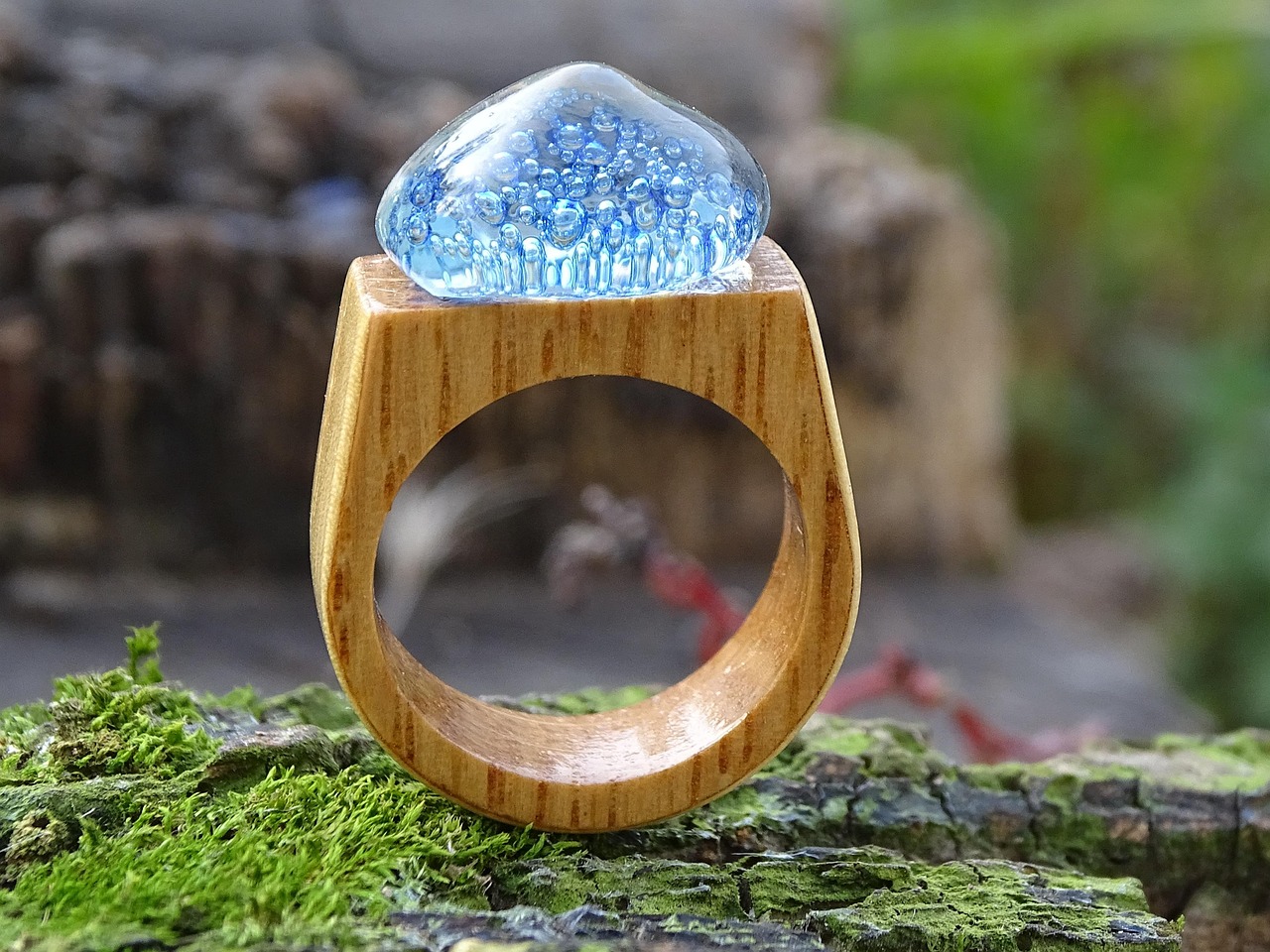
A ring can look unconventional even with a classic center stone if the setting is distinctive. Nontraditional engagement rings often lean into sculptural settings, unusual proportions (like a substantial, domed band), or structural/architectural builds that frame the stone in a more artistic way. Some designs make negative space part of the look; others emphasize texture and depth with handcrafted details.
Tip: If you want a quirky look that’s still easy to wear daily, focus on a standout setting with a smooth profile, or choose a bold band shape that feels comfortable on the hand. Quirkiness can come from silhouette—not just height or sharp edges.
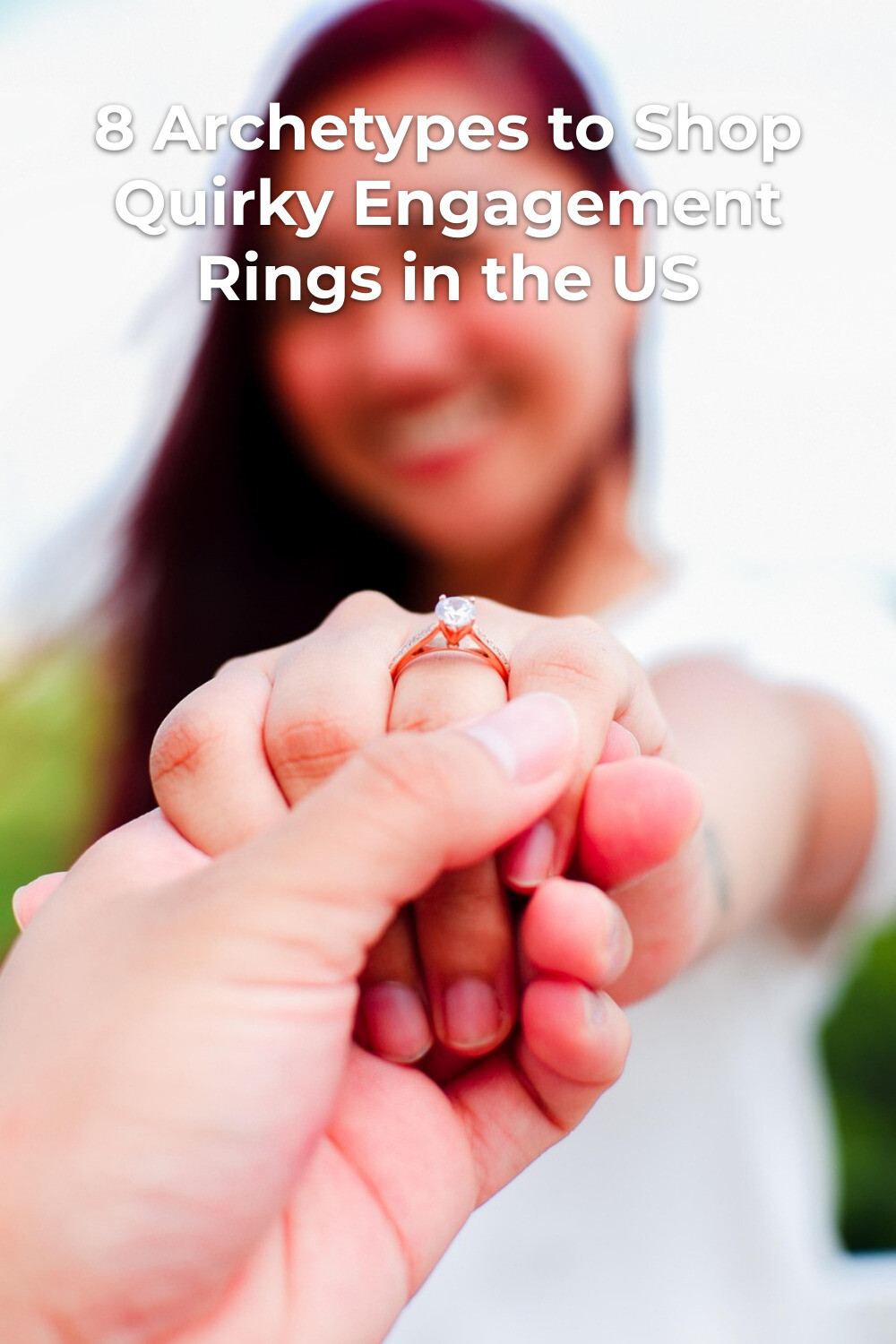
Quick Style Taxonomy: 8 Quirky Ring Archetypes
Use these eight archetypes as a style map. Many of the most memorable unconventional engagement rings combine two or more of these categories—like a nature-inspired ring with mixed metals, or a geometric ring with a two-stone layout.
- Sculptural: Artistic, three-dimensional metalwork that looks like wearable sculpture.
- Geometric: Angular or structured silhouettes (including hex-like shapes and bold, crisp lines).
- Nature-inspired: Organic lines and motifs rooted in natural forms.
- Interlocking/Scaffold: Structural, architectural builds that feel engineered and dimensional.
- Two-stone (Toi et Moi): A pair of stones that share the spotlight, often symbolizing partnership.
- Vintage-inspired / Art Deco: Old-world cues, graphic symmetry, and era-specific details.
- Bold colored gemstones (non-diamond): A center stone chosen for color and personality.
- Mixed metals: Contrasting metal colors to create depth and intentional “rule-breaking.”
1) Sculptural engagement rings
Sculptural engagement rings are defined by form: dimensional curves, carved-looking surfaces, and settings that feel like they were designed as art first and jewelry second. This is a natural home for bold individuality and storytelling—especially when handcrafted details and texture are part of the design language.
Tip: When exploring sculptural styles, ask yourself how you’ll stack (or not stack) a wedding band. Many sculptural rings are intended to stand alone, which can be ideal if you want a single iconic piece.
2) Geometric and graphic silhouettes
Geometric rings feel modern and decisive: crisp edges, strong outlines, and silhouettes that look intentional from across the room. They’re a popular direction within nontraditional engagement rings because the shape itself does much of the work—whether the ring leans hex-like, linear, or architectural.
If you want “quirky” with a clean finish, geometry is often the simplest route: less ornate than nature motifs, but unmistakably different from the typical solitaire profile.
3) Nature-inspired rings
Nature-inspired quirky engagement rings often translate organic themes into metal: flowing lines, leaf-like curves, floral or lotus-like elements, and textures that feel hand-formed rather than machine-perfect. The result can be romantic, symbolic, or quietly bold, depending on the proportions.
Tip: For a nature direction that still feels sophisticated, consider a nature motif paired with a clean, modern band shape. Balancing “organic” with “structured” can make the design feel elevated and wearable.
4) Interlocking and scaffold-style designs
Interlocking rings and scaffold-like builds are some of the most visually distinctive unusual engagement ring designs. They feel engineered: layers, frameworks, and structural details that create depth and negative space. These designs can read bold even without an oversized stone because the architecture becomes the statement.
Tip: If you love the scaffold look, prioritize comfort and practicality in the profile. A ring can be intricate and still feel smooth on the sides that touch neighboring fingers.
5) Two-stone engagement rings (Toi et Moi)
Two-stone engagement rings are a hallmark of nonconventional engagement jewelry because they shift the symbolism: instead of a single focal point, the ring celebrates a pair. The look can be symmetrical or intentionally mismatched—two different shapes, two different stone types, or two stones in the same family styled with contrast.
Tip: Keep the design cohesive by choosing one unifying element—either matching metalwork, a consistent setting style, or a shared color tone across the stones.
6) Vintage-inspired and Art Deco–leaning designs
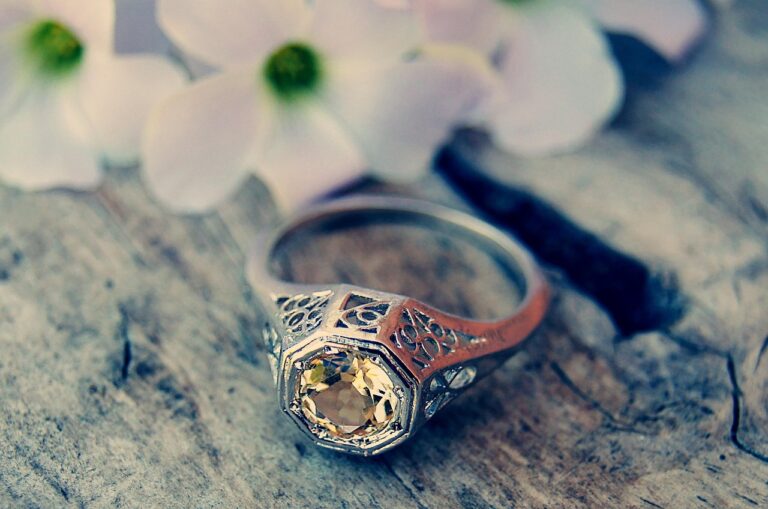
Not all quirky engagement rings are futuristic. Vintage-inspired and Art Deco directions can be “unusual” through detail, silhouette, and era cues. You might be drawn to bold geometry, decorative lines, or a ring that evokes a past decade while still feeling fresh on the hand.
These designs often appeal to couples who want something distinctive without stepping too far away from traditional associations with engagement jewelry.
7) Bold colored gemstones and alternative stones
Choosing a gemstone outside the expected center diamond is one of the clearest ways to create unconventional engagement rings. Some couples gravitate to vivid color, others to moodier stones, and others to diamonds that look intentionally different—like salt & pepper or black diamonds. The stone becomes the personality of the ring.
Tip: Let the stone lead the design. If the gemstone is the hero, keep the setting lines focused so the ring feels intentional rather than busy.
8) Mixed metals and deliberate contrast
Mixed metals can make a ring feel custom even before you change the stone or silhouette. Contrasting metal colors create depth and highlight design features like twists, interlocking bands, or sculptural contours. This “rule-breaking” approach is a cornerstone of many nontraditional engagement rings.
Tip: When considering mixed metals, think about your everyday jewelry. If you wear both metal colors already, mixed metals can make your engagement ring easier to pair with everything you own.
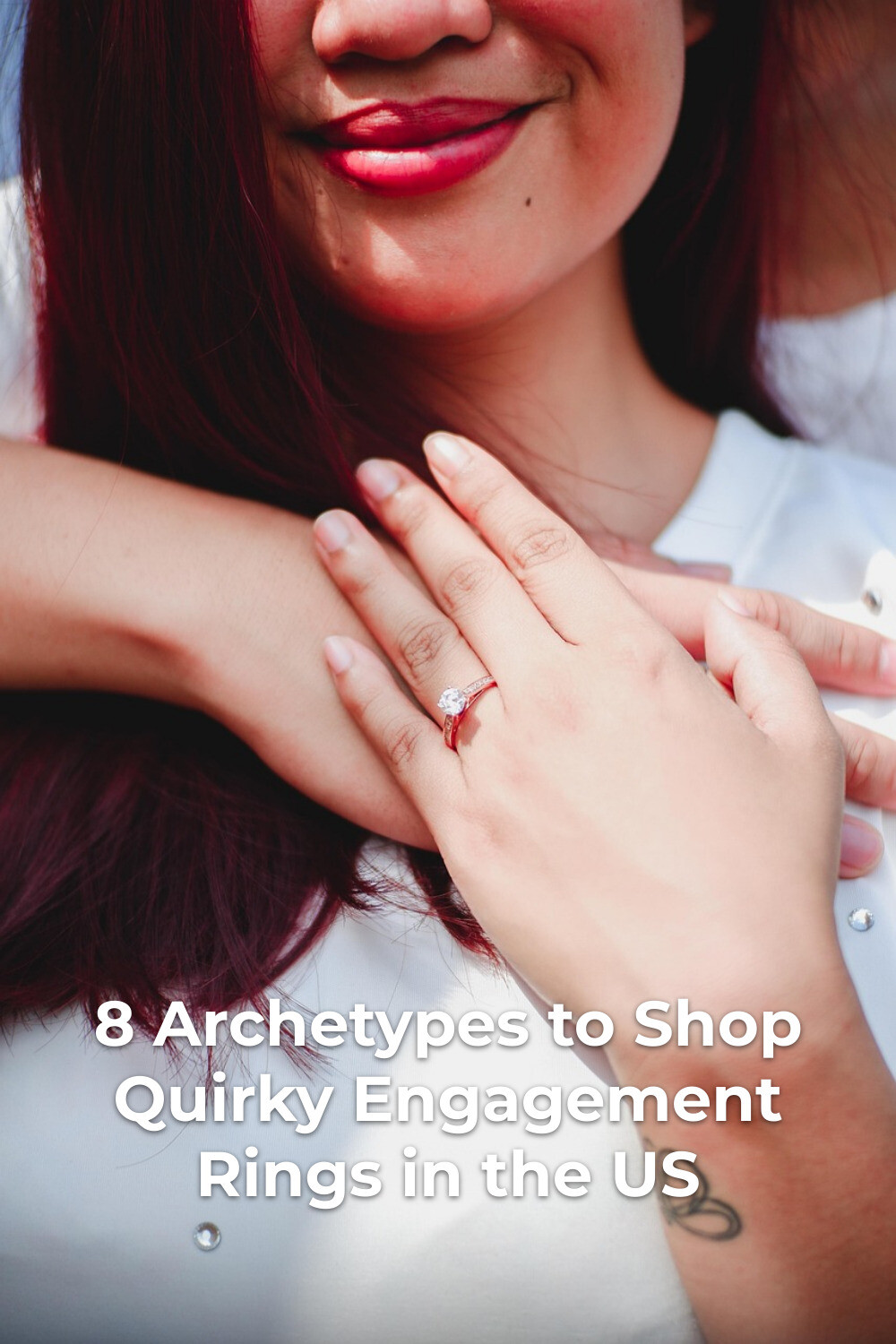
Materials and Stones for a Quirky Ring
Materials matter more in quirky designs because shape, texture, and setting choices can be more complex than a standard ring. The right metal and stone combination helps your ring feel both distinctive and wearable for the long term.
Metals: pros, cons, and care (in real-world terms)
Most quirky engagement rings are crafted in familiar fine-jewelry metals, with options spanning yellow gold, rose gold, white-toned metals, and platinum, plus the occasional alternative-metal direction. Your choice affects the look (warm vs. cool), how details show up (high polish vs. texture), and how you’ll think about aftercare—especially if your ring is sculptural or heavily detailed.
- Yellow gold: Often emphasizes vintage-inspired and bold, domed silhouettes; pairs well with warm-toned designs and texture.
- Rose gold: A strong choice for modern, sculptural, or romantic motifs; can highlight organic lines.
- White-toned metals: Can make geometric and architectural designs feel crisp and graphic.
- Platinum: Often chosen for a premium feel in custom engagement rings and intricate settings.
- Mixed metals: Adds contrast and a customized look, especially effective in twist or interlocking designs.
Tips for metal decisions: If your ring has a lot of texture, consider how you feel about patina and visible wear—some people love a lived-in look, while others prefer a consistently high-polish finish. If your design is architectural or scaffold-like, prioritize a metal choice that supports crisp lines and durable structure in daily wear.
Gemstones: classic vs. alternative
Gemstone choice is one of the most personal decisions in unconventional engagement rings. Some couples still want a diamond but prefer an unusual silhouette or setting. Others want a nontraditional gem, a colored stone, or a diamond look that feels moodier or more distinctive than a classic white center stone.
When thinking about alternative gemstones, consider the role the stone plays in the overall design: a bold gemstone can be the central statement, while a quieter stone can support a highly sculptural setting. Either route can feel “quirky”—the key is that the stone and the structure speak the same visual language.
Tip: For unusual gemstone rings, aim for harmony between color, metal tone, and motif. A nature-inspired ring often feels cohesive when the stone’s vibe matches the theme—earthy, luminous, or dramatic—rather than feeling like an unrelated add-on.
Lab-grown vs. natural: trade-offs for quirky designs
Many shoppers exploring quirky engagement rings are also thinking about values, transparency, and sustainability angles—especially when considering recycled metals and alternative stones. Lab-grown and natural options can both fit nontraditional designs; the decision often comes down to your priorities and what you want the ring to represent.
Tip: If sustainability is central to your decision, consider pairing a standout silhouette (like sculptural or geometric) with recycled metals and a stone choice that aligns with your preferences. Quirky design and conscious material choices can complement each other naturally.
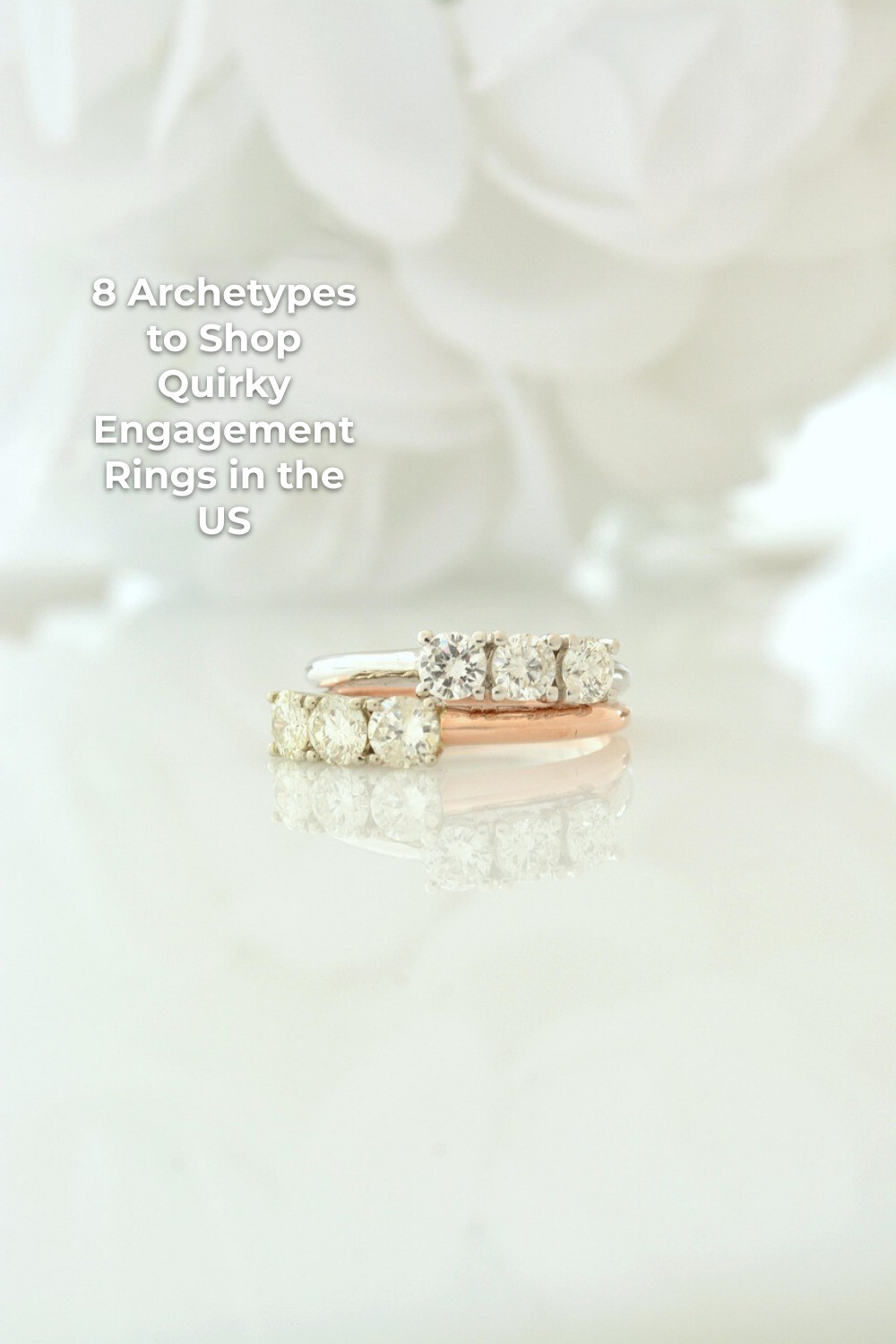
Custom vs. Ready-Made: Designing Your Quirky Ring
Many quirky engagement rings are purchased as ready-made designs, but custom engagement rings are especially common in this category. That’s because the most “you” ring often comes from personalization: adjusting the silhouette, choosing a nontraditional gemstone, adding texture, or building a motif that holds meaning. If you’ve ever said “I can’t find exactly what I want,” you’re a strong candidate for bespoke engagement ring design.
When a bespoke ring makes the most sense
Consider going custom when you want one-of-a-kind details, when you’re combining multiple archetypes (like nature + two-stone + mixed metals), or when the ring needs specific wearability considerations. Custom can also help if you love a concept but want to refine it—making a bold design feel balanced, comfortable, and cohesive.
- You want a ring that tells a specific story (motif-driven design).
- You prefer an unusual gemstone or a nonstandard stone layout.
- You want a particular silhouette (sculptural, domed, interlocking, architectural).
- You need personalization like engraving or meaningful symbolic shapes.
- You’re aiming for a true one-of-a-kind ring rather than a variation of a popular style.
The consultation: what to bring
A design consultation works best when you bring clarity, not perfection. Most couples don’t need a final sketch; they need direction. Start with a small set of inspiration images, a list of must-haves (stone type, metal color, overall vibe), and a list of “absolutely not” preferences (too tall, too delicate, too ornate, too minimal).
Tip: Bring examples of jewelry your partner already wears. If they love bold, chunky bands or sculptural earrings, that’s a strong hint they’ll enjoy a statement engagement ring. If they wear mostly minimal pieces, you can still go quirky—just choose a cleaner kind of quirk, like geometry or a subtle twist motif.
Design timeline and budget ranges (how to plan without guessing)
Custom engagement ring design typically involves multiple steps—concept, refinement, materials selection, craftsmanship, and final finishing. Because quirky designs can require more intricate metalwork or specialty settings, planning ahead matters. Even if you’re working from an existing concept, small changes (like mixed metals, texture, or a two-stone layout) can add complexity.
Tip: Create a shared “priority list” before you talk numbers. Decide what matters most—one-of-a-kind sculptural details, an unusual gemstone, a bold band silhouette, or a specific motif. That way, if you need to simplify, you’ll know what to protect and what to edit.
What to expect during craftsmanship
Quirky engagement rings are often described as handcrafted and bespoke for a reason: the craftsmanship is part of the value. Expect design check-ins, decisions about finishes (polished vs. textured), and detailed discussions about stone placement and comfort. A well-made unconventional ring should feel intentional from every angle—top view, side profile, and how it sits against the finger.
Tip: Ask how the ring will sit with a wedding band (if you want one) and whether the design is meant to stack, nest, or stand alone. This is one of the most common “surprise” issues with sculptural and interlocking designs, and it’s easiest to solve during the design stage.
Real-Life Inspirations: Celebrity, Art, and Pop Culture
Celebrity engagement rings and pop culture moments often accelerate interest in unconventional engagement rings, especially when a public figure chooses a silhouette that feels bold and wearable at the same time. Recent attention has centered on chunky gold bands and bombé (domed) engagement ring shapes—thick, rounded silhouettes with vintage vibes that read as confident and modern.
Celebrity-inspired directions you can actually wear
Celebrity examples vary widely, but the common message is personal expression. Some go for unusual stones and distinctive settings; others go for bold proportions and thick bands. If you’re inspired by a famous ring, focus on the transferable design cues: band thickness, dome shape, a nontraditional silhouette, or a distinctive setting approach.
Tip: Treat celebrity rings like mood boards, not templates. Pick one or two elements you love (for example, a chunky band plus a clean setting), then tailor everything else—metal color, stone type, and comfort profile—to your life.
Art-inspired motifs: nature, architecture, and fantasy
Beyond celebrity influence, many quirky engagement rings draw from broader visual worlds: nature, vintage eras, architecture, and fantasy. This is where motifs like lotus-inspired forms, infinity-like curves, Celtic-inspired patterns, twist designs, and scaffold structures fit naturally. These motifs can be subtle (a gentle twist) or dramatic (a sculptural, story-driven centerpiece).
Tip: If you love an art-inspired direction, decide whether you want the motif to be recognizable at a glance or more “secretly meaningful.” Both can be quirky; the difference is how loudly the ring speaks.
Practical Buying Guide: Budgeting, Timelines, and Maintenance
Quirky engagement rings can be bold, intricate, and highly personal—so practical planning matters. The goal is to match the ring’s design ambition with your real-world needs: how fast you need it, how you’ll maintain it, and how it fits into your financial comfort zone.
Budgeting for a quirky ring (without losing the plot)
Budgets for unconventional engagement rings can vary widely depending on materials, stone choice, and whether you go custom. The best approach is to budget around priorities: if the centerpiece is a unique gemstone or a sculptural, handcrafted build, expect the ring’s value to be concentrated there. If you want maximum design impact with a controlled budget, focusing on silhouette (like a bold band or geometric structure) can create a strong statement without requiring the most elaborate stone plan.
- Decide what matters most: stone, silhouette, or storytelling details.
- Allocate room for personalization (engraving, mixed metals, texture).
- If custom, plan for design iterations so you don’t rush decisions.
- Remember long-term costs like maintenance and insurance planning.
Tip: If you’re designing together, set a “must-have” list of three items and a “nice-to-have” list of three. This keeps the ring quirky and intentional without becoming overly complicated.
Sizing, insurance, and aftercare
Because quirky designs may be wider, thicker, or more sculptural, sizing and comfort deserve extra attention. A chunky band can feel different than a thin band; an interlocking design can fit differently than a simple circle; a ring with a bold profile may catch on clothing if the setting is high or sharply detailed. Aftercare also matters: texture can collect residue, and intricate settings may need periodic checkups.
Tips for wearability: Think about your lifestyle and your hands-on routines. If you work with your hands frequently, consider a lower-profile setting or a smoother sculptural form. If you love dramatic height, ask how the ring will feel with everyday tasks. If the ring includes detailed texture, plan gentle, regular cleaning habits and periodic professional check-ins to keep the ring looking crisp.
Ethical considerations and sourcing
Many shoppers exploring nontraditional engagement rings also care about how materials are sourced and whether the ring aligns with their values. Some brands emphasize recycled metals, and many couples compare lab-grown and natural stones as part of building a ring that feels both personal and responsible. Quirky design doesn’t have to be separate from these choices; it can amplify them by making every element feel deliberate.
Tip: When discussing sourcing, focus on clarity. Ask what metal options are available (including recycled metals if offered), what stone options fit your design goals, and what choices best align with your priorities. A trustworthy process should feel transparent and collaborative.
Tips for Choosing a Quirky Ring You’ll Love Long-Term
A ring can be unconventional without being impractical. The most successful quirky engagement rings balance artistry with comfort and longevity—so you don’t feel like you’re “handling” your ring all day. Use the tips below to keep your choice wearable, personal, and future-proof.
- Choose one hero element: a bold silhouette, an unusual gemstone, or a defining motif.
- Keep the profile in mind: dramatic rings can still be low-profile and comfortable.
- Plan for pairing: decide early if you want stacking, a nesting band, or a stand-alone look.
- Balance novelty with clarity: if every detail is “loud,” the design can lose focus.
- Let the ring reflect real style: match the ring’s vibe to the jewelry you actually wear.
Tip: If you’re torn between two directions—say, geometric versus nature-inspired—consider a hybrid. A clean geometric band can carry a subtle organic detail, or a nature motif can be rendered with Art Deco–like structure. Hybrids often feel the most personal because they don’t fit neatly into a single category.
Gallery: 40+ Quirky Ring Concepts (Visual Inspiration)
Use these concepts as prompts for shopping, saving inspiration, or briefing a designer for custom engagement rings. Many can be adapted to your preferred metal, stone type, and comfort profile.
Sculptural concepts (10)
A bold, wave-like sculptural band with a flush-set stone for a smooth profile
- A carved-look band with intentional asymmetry and a clean, centered setting
- A domed band with a subtle stone detail that feels integrated, not “added on”
- A thick band with a negative-space window framing the center stone
- A sculptural twist that wraps toward the stone like a ribbon
- A textured, handcrafted band that emphasizes depth and shadow
- A sculptural bezel-like outline with modern, softened edges
- A statement band that’s meant to be worn alone (no stack), designed as a single icon
- A band that transitions from smooth to textured as it approaches the setting
- A sculptural “crown” detail that reads artistic rather than ornate
Geometric concepts (8)
- A hex-like silhouette paired with a minimal, crisp setting
- A strong, straight-line band with a centered stone and graphic shoulders
- A geometric split-band that meets at a clean, modern head
- A low-profile geometric bezel with bold edges
- A band with repeating geometric cutouts for an architectural feel
- A minimalist setting with a pronounced geometric outline around the stone
- A stepped, Art Deco–leaning geometry rendered in a modern, simplified way
- A geometric ring with contrasting metal tones to highlight the structure
Nature-inspired concepts (8)
- A lotus-inspired motif integrated into the basket or side profile
- A band with gentle leaf-like curves that cradle the center stone
- An organic twist band that feels hand-formed rather than perfectly symmetrical
- A nature texture that looks like it was drawn from bark or flowing water
- A floral-inspired detail that’s subtle from the top, more visible from the side
- An organic contour band designed to nest with a future wedding band
- A nature-inspired ring paired with a clean stone shape for balance
- A motif-driven design that tells a specific story (place, memory, shared theme)
Interlocking/scaffold concepts (6)
- An interlocking band structure that creates depth without extra height
- A scaffold-style framework that holds the stone in an architectural “cage”
- A layered band that looks engineered, with intentional negative space
- A structured split that wraps around the setting like a bridge
- A framework design that emphasizes the side view as much as the top view
- An architectural ring that’s built to be a stand-alone statement piece
Two-stone / Toi et Moi concepts (5)
- Two stones with contrasting shapes set in a shared, balanced composition
- Two stones in similar tones but different sizes for a subtle hierarchy
- A two-stone design where the band’s twist motif visually connects the pair
- A Toi et Moi layout that feels modern through clean lines and minimal metalwork
- A two-stone ring paired with a bold band for extra presence
Vintage-inspired / Art Deco concepts (5)
- An Art Deco–leaning geometric silhouette with crisp symmetry
- A vintage-inspired ring with bold proportions rather than heavy ornament
- A band with era-inspired detailing paired with a modern, clean setting
- A vintage vibe achieved through shape and profile (not just surface decoration)
- A retro-feeling domed band that reads both nostalgic and current
Mixed-metal concepts (4)
- A twist band in two metal tones to emphasize movement
- An architectural ring with contrasting metal colors outlining the structure
- A two-tone band where one metal frames the setting and the other forms the shank
- A mixed-metal sculptural band that highlights texture and depth
Next Steps: How to Start Your Quirky Ring Journey
If you’re ready to shop or design, the fastest way forward is to turn your preferences into a clear plan. Quirky engagement rings are easier to choose when you can articulate your archetype, your materials comfort zone, and how you want the ring to feel day-to-day.
- Pick your primary archetype (sculptural, geometric, nature-inspired, scaffold, two-stone, vintage-inspired, bold gemstone, mixed metals).
- Decide whether you prefer ready-made or a custom engagement ring design process.
- Choose your non-negotiables (metal tone, stone type, band width vibe, stacking preference).
- Create a small mood board: 8–12 images max, focused on recurring elements.
- Set your practical boundaries (timeline expectations, wearability, and aftercare preferences).
Tip: The most helpful question to answer early is: “Do I want the quirkiness to come from the stone, the structure, or the story?” Once you know that, nearly every design decision becomes simpler.
FAQ
What’s the difference between quirky, nontraditional, and unusual engagement rings?
They overlap, but “quirky engagement rings” usually implies intentional personality—distinctive motifs, proportions, or symbolism—while “nontraditional” often refers to breaking classic norms (alternative stones, mixed metals, unexpected silhouettes), and “unusual” tends to describe standout settings, textures, or structural designs that look different at first glance.
Are sculptural engagement rings durable enough for everyday wear?
They can be, but durability depends on how the ring is built and how practical the profile is for your lifestyle; a well-designed sculptural ring should balance artistic form with comfort, smooth contact points, and a setting style that doesn’t snag or feel overly exposed in daily use.
How do I choose between a ready-made ring and a custom engagement ring?
Choose ready-made if you already love a design as-is and want a straightforward purchase, and choose custom if you want a one-of-a-kind motif, a specific unusual gemstone, mixed-metal details, or a unique setting and silhouette that you can’t easily find pre-made.
What are the most popular quirky ring styles right now?
Popular directions include bold, chunky band silhouettes (including domed or bombé-inspired looks), sculptural settings, geometric shapes, two-stone (Toi et Moi) layouts, and nontraditional engagement rings featuring alternative stones like colored gemstones or distinctive diamond styles.
Do chunky bands and domed rings feel comfortable?
They often can, but comfort depends on band width, interior shaping, and how the ring sits between fingers; if you’re considering a bold engagement ring with a chunky band, focus on how it feels across the knuckle and whether the profile is smooth enough for everyday movement.
Can I still have a “classic” diamond in a quirky engagement ring?
Yes—many quirky engagement rings use a classic stone but make it feel unconventional through a sculptural silhouette, a distinctive setting, mixed metals, texture, or an unexpected layout like a two-stone design.
How should I plan a custom ring timeline?
Plan around a multi-step process that typically includes consultation, design refinement, materials selection, craftsmanship, and final finishing, and give yourself extra breathing room if you’re choosing intricate metalwork, mixed metals, or a more architectural scaffold-style build.
What should I ask about maintenance for heavily textured or intricate rings?
Ask how the texture will wear over time, how to clean the design safely, how often the setting should be checked, and whether the ring’s structure (especially interlocking or scaffold details) has any specific care considerations to keep it comfortable and secure long-term.
Are lab-grown options compatible with quirky and unconventional designs?
Yes—lab-grown and natural stones can both work well in quirky engagement rings, and many couples pair distinctive silhouettes or handcrafted details with material choices that align with their values, such as recycled metals or lab-grown stones.