7 Tips for Circle Engagement Rings With Halo in the US
Circle Engagement Rings with Halo: A Practical, Style-First Guide
Circle engagement rings with halo combine a round, centered look with a surrounding “halo” of smaller stones that frames the center and intensifies sparkle. This design family spans classic round halo rings, modern hidden halo ring options, and bolder double halo engagement ring styles—each changing how the ring looks, feels, and wears day to day. If you’re comparing settings online or planning a custom design, this guide breaks down the major circle halo designs, center stone choices (including diamond, lab-grown, and moissanite), metal and band decisions, and the practical details that can make a halo ring either effortless or high-maintenance.
Because many shoppers move between exploration and purchase quickly with halo rings, you’ll also find a clear buying guide, wearability checks, care and maintenance guidance, and tips for pairing a halo setting ring with a wedding band—so you can choose confidently, whether you’re browsing ready-to-ship rings or building a ring with a jeweler.
What Is a Circle Halo Engagement Ring?
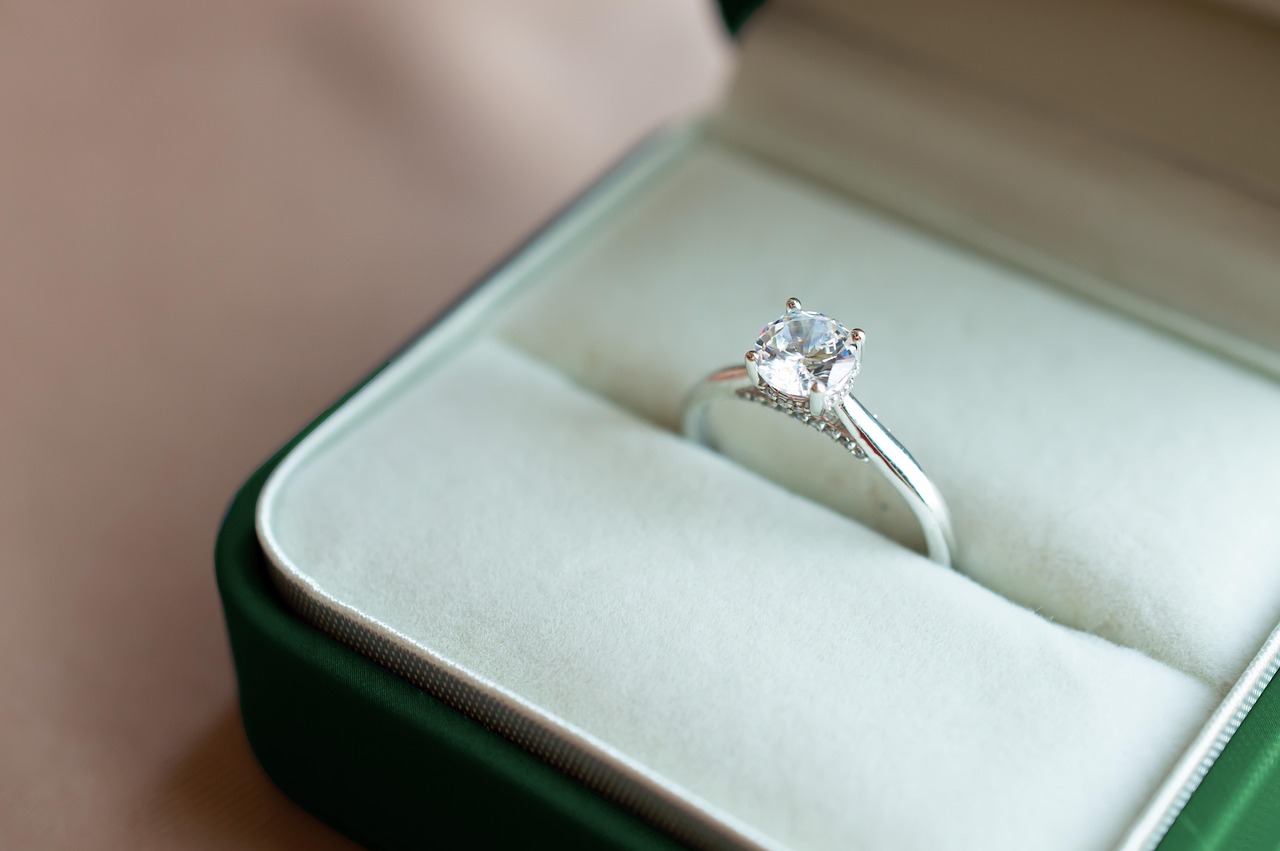
A circle halo engagement ring is a ring containing a halo of stones arranged in a circular outline around the center stone. In practice, many people use “circle halo” to describe either (1) a round center stone surrounded by a halo, or (2) any center shape surrounded by a halo that reads as a circular halo design from the top view. The defining element is the surround halo ring effect: a bright frame that visually emphasizes the center and creates a more dimensional face-up appearance.
Halo setting rings vary in how the halo is built and where it sits. Some halos are prominent and visible from the top, while others are more subtle and designed to be noticed from side angles. Your final look depends on the halo style, the band (such as pavé), and the relationship between center stone size and halo diameter.
Turn wedding inspiration into a plan you can actually follow.
Zarellea brings your guest list, budget, vendors, and day-of details into one shared space — so no beautiful idea gets lost in the shuffle.
Single halo vs double halo vs hidden halo
Most halo engagement rings fall into three popular families: a single halo (one ring of accent stones), a double halo engagement ring (two layers of accent stones for a bolder outline), and the hidden halo ring (a halo tucked under the center that adds sparkle without changing the top view as dramatically). These options aren’t just aesthetic choices—they affect the ring’s profile, how it pairs with wedding bands, and what you may need to consider for cleaning and maintenance.
“Circle engagement ring” vs “halo ring”: understanding the terms
“Halo ring” describes the setting feature: the ring contains a halo of stones that surrounds the center. “Circle engagement ring” is often used to describe the overall silhouette, usually anchored by a round halo ring face-up shape. Put simply, a halo is a design technique; “circle” is the visual outcome many buyers want—an even, centered shape that looks balanced on the finger.
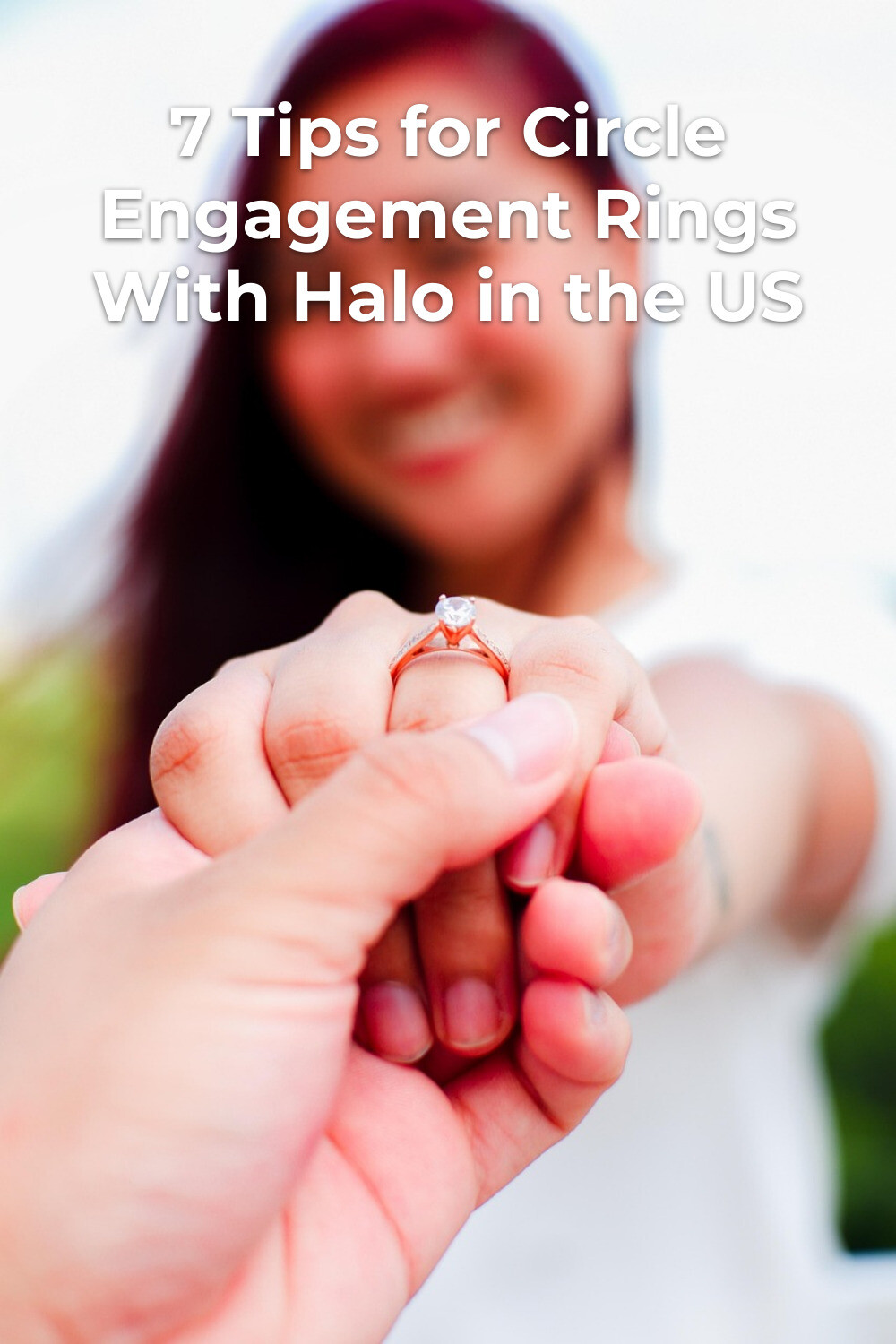
Circle Halo Styles: Round, Cushion, Oval, and More
Circle halo designs can look classic, vintage-inspired, or modern depending on the center shape and halo execution. Many shoppers start with round halo engagement ring styles because they feel timeless, then compare against cushion or oval halos for a softer or more elongated personality. The best approach is to choose the center shape that matches your taste, then use the halo to fine-tune presence, sparkle, and scale.
Round halo rings: classic and brilliant
A round halo ring is the most straightforward interpretation of circle engagement rings with halo: a round center stone surrounded by a circular halo. This style is popular for its symmetry and for how cleanly it frames the center. Round halos also work well across many band styles—from minimalist shanks to a halo engagement ring with pavé band—without feeling mismatched.
Tip: If you love the look of a classic circle halo but want a more modern twist, consider a round center with hidden halo. It keeps the top view clean while adding sparkle that shows when the ring moves.
Cushion and oval halos: vintage vibes with modern sparkle
Cushion and oval halos often appeal to shoppers who want something slightly different from a pure round outline while still enjoying the benefits of a halo setting. Cushion halos can feel more softly structured, while oval halos lean elegant and streamlined. In both cases, the halo can be shaped to echo the center stone or designed to read more circular overall, depending on the ring’s proportions.
These are also popular choices when you want the overall presence of a circular halo diamond ring while adding personality through shape. A well-proportioned halo can unify the look, even when the center isn’t perfectly round.
Emerald-cut and other shapes in a halo
Emerald-cut and other non-round shapes can also be placed in halo setting rings, creating a more architectural or distinctive look. Some halos closely follow the center stone outline, while others use a softer circular halo design around a more angular center to balance contrast. If you’re choosing a shape that’s less common in circle halo shopping, pay extra attention to alignment, symmetry, and how the halo meets the corners or edges of the center.
Popular Halo Details That Change the Look
Two rings can both be called “halo engagement rings” and still look completely different. Small construction choices—like whether the halo is pavé, whether it resembles a flower halo, or whether the band has pavé—change sparkle, perceived size, and overall style direction.
Pavé halo, flower halo, and cluster-like effects
A pavé halo uses many small stones closely set to create a continuous, bright outline. A flower halo suggests petal-like shaping or a softer, more decorative perimeter. Some circle halo rings can also read like a round halo cluster ring depending on how the accents are arranged and how prominent the halo appears relative to the center.
- Pavé halo: A crisp, high-sparkle outline that pairs well with both plain and pavé bands.
- Flower halo: More decorative; can lean romantic and detailed.
- Cluster-like halo look: A bolder halo presence that can visually compete with the center if proportions aren’t balanced.
Hidden halo: subtle sparkle from the side
A hidden halo ring places the accent stones below the center stone, often visible in profile or from angles rather than straight on. This is a popular approach when you want a refined top view but still want extra brilliance and detail. Hidden halos can also complement a wider variety of wedding bands because the top silhouette can remain simpler than a fully framed halo.
Tip: If you’re torn between a minimal look and a statement halo, a hidden halo is a practical compromise: it adds design interest without making the ring face-up feel significantly larger.
Double halo: maximum outline and presence
A double halo engagement ring uses two rows of accent stones, increasing the width of the halo and creating a more dramatic circle halo. This can be ideal if you want a standout look or if you simply love the layered effect. The tradeoff is that the ring face can feel larger on the finger, and cleaning and maintenance become more important because there are more stones and crevices.
Center Stone Options for Circle Halo Rings
The center stone drives the character of circle engagement rings with halo, while the halo amplifies it. Many shoppers compare diamond, lab-grown diamonds, and moissanite halo engagement ring options. Your best choice depends on priorities like ethical sourcing preferences, desired look, and how you want to allocate budget between center stone size, halo complexity, and band details.
Diamond vs lab-grown vs moissanite
Diamond halo engagement rings are a classic choice and widely available across halo designs. Lab-grown diamond options are frequently positioned as an ethical and sustainable alternative, often paired with messaging around responsible sourcing and customization. Moissanite halo engagement rings are also common in halo collections, often highlighted for strong light performance and for shoppers who want a center stone alternative beyond diamonds.
Tip: If you’re deciding between materials, compare the full ring look rather than the center stone alone. A halo and band style can influence how bright and “busy” the ring appears, which matters just as much as the center choice for everyday satisfaction.
Center size vs halo diameter: controlling the “looks bigger” effect
One of the most common reasons shoppers choose a circular halo design is visual impact. The halo creates a bright border that can make the overall ring face look larger than the center stone alone. This is why understanding the relationship between center stone sizing and halo diameter matters: small differences in proportions can shift the ring from delicate to bold.
- If you want the center to dominate, choose a halo that reads as a thin, crisp outline.
- If you want a stronger “frame,” choose a wider halo presence or consider a double halo engagement ring.
- If you want subtle enhancement without a larger top view, consider a hidden halo ring.
Coordinating center stone and halo style
Not every center shape looks best with every halo style. Round centers naturally align with circle halos. Cushion and oval centers can be paired with halos that either mirror their shape or round out the look for a more circular silhouette. When browsing product photos or design previews, focus on symmetry, spacing consistency around the center, and whether the halo looks evenly aligned.
Metal, Setting, and Band Style Considerations
Metals and band styles influence durability, contrast, and how the halo reads at a glance. Many halo collections highlight platinum and gold options, including 18K gold, and offer multiple metal variants of the same ring model. Your metal and band decisions also affect long-term wearability—especially for halo settings with many small stones.
Platinum and gold options
Platinum and gold are common choices for halo engagement rings, and many brands offer the same circle halo designs across multiple metals. The choice often comes down to desired color tone and how you want the halo and center to stand out. Some shoppers prioritize a classic look; others focus on coordinating with future wedding bands and everyday jewelry.
Pavé band vs simpler shank
A halo engagement ring with pavé band increases sparkle and creates a continuous, bright surface across the ring. A simpler shank can feel cleaner and may put more visual emphasis on the circle halo and center stone. When comparing options, think about how much sparkle you want from the side view and whether you prefer a more ornate or more understated profile.
Tips for choosing a band style: If you already love a bold halo, a simpler band can keep the design balanced. If you want maximum brilliance across the entire ring, pavé on both halo and band can create a cohesive, high-impact look, but it also increases the number of stones that need periodic checking.
Bezel and other halo-adjacent looks
While many circle halo rings use prongs and pavé-like detailing, some shoppers compare halo looks against more streamlined settings that emphasize protection and clean lines. If your priority is the halo aesthetic specifically, focus on settings explicitly described as halo setting rings or rings with a surround halo; if your priority is a smooth, simplified profile, you may prefer a less intricate approach while still keeping a circular silhouette.
How to Choose the Right Circle Halo Ring (Buying Guide)
Choosing among circle engagement rings with halo is easiest when you treat it like a series of decisions: your preferred silhouette, your center stone plan, your halo type, then the practical details like sizing, wearability, and policies. Many shoppers browse featured halo rings first, then narrow down by ring specs, customization options, and price range.
Start with your style goal: classic, vintage, modern, or subtle
Style is more than aesthetics; it’s also how noticeable the halo is from different angles. A classic look often points to a round halo ring with a clean outline. Vintage-leaning options can include cushion halos, flower halo impressions, or more decorative detailing. Modern choices often include hidden halos and sleeker band profiles.
- Classic: Round center + single halo + balanced band.
- Vintage-inspired: Cushion/oval with decorative halo character (including flower-like effects).
- Modern: Round center with hidden halo; minimal top view, detail on the side.
- Statement: Double halo engagement ring with a bold outline and high sparkle.
Budget ranges and value levers
Halo rings appear across a wide price range, and the biggest value levers are typically the center stone choice, halo complexity (single vs double, pavé intensity), and metal selection. If you’re trying to maximize presence, you can focus on a strong circle halo design that gives the visual size effect you want while keeping other elements simple. If craftsmanship details matter most, you may prefer fewer design elements executed at a higher level rather than adding multiple layers of pavé.
Tip: When comparing rings at similar price points, look at what’s driving the cost—center stone type, customization, and the amount of pavé/halo work—so you’re paying for what matters to you.
Ring width, halo diameter, clearance, and wearability
Wearability is where many halo purchases become either a long-term win or a source of frustration. A larger halo diameter or double halo can make the ring face feel more substantial, which some love and others find bulky. Clearance (how high the center sits) and band width affect comfort and how easily the ring catches on clothing.
- Choose a balanced face size: Make sure the halo and center look proportionate to your hand and finger.
- Check profile height: Taller profiles can show off detail but may snag more often.
- Consider daily routine: If you wear your ring constantly, a less delicate halo and a comfortable band profile can matter as much as sparkle.
Customization and “design your own” options
Many halo collections emphasize customization, including selecting metal variants, choosing center shapes, and adjusting halo styles (like hidden halo or pavé). If you’re considering a custom halo ring, prioritize clarity on what can be changed and what’s fixed in the design. Customization is especially helpful when you want a specific circle halo motif but need it tailored to a particular center stone plan.
Tip: When requesting a custom design, ask for clear measurements and visuals that show the top view and profile. Halo rings are all about proportions, and a small change in halo thickness or spacing can change the entire feel.
Shopping support: showrooms, consultations, and policies
Halo ring shoppers often want extra guidance because the design involves multiple elements (center, halo, band, height). Many retailers support this with showroom guidance, consultations, and buying guides. Beyond the ring itself, prioritize confidence-building details like sizing support, warranties, and clear return or exchange paths—especially if you’re ordering online.
Care, Cleaning, and Maintenance for Circle Halo Rings
Halo settings have many small stones and small spaces where buildup can collect, which can reduce the brightness you expect from a circular halo design. They can also require more frequent check-ins because more stones and prongs create more potential points of loosening over time. Good care is less about complicated routines and more about consistency.
Cleaning routines for halos
Because the halo and pavé areas include many tiny surfaces, a gentle, routine approach is important. Keep the ring clean enough that the halo remains crisp and bright, especially around the underside of the center where residue can reduce light return. If your ring includes a hidden halo, remember that the sparkle is often seen from angles—so cleaning the profile area matters too.
Tip: If you notice the halo looking dull while the center still looks bright, it’s often a sign the tiny stones or the spaces between them need attention. A quick maintenance habit can keep the ring looking like it did in photos.
Avoiding damage to halo settings
Halo rings can be durable for daily wear, but they benefit from mindful use. The halo perimeter and pavé sections can be more exposed to bumps than a simpler setting. Being aware of snagging and impact risks is especially important with high-set profiles and very delicate halo detailing.
- Be cautious with activities where the ring could catch or knock against hard surfaces.
- Pay attention to prongs and the outer halo edge, where impact is most likely.
- If the ring starts catching more often than usual, it may be time for a check-in.
Resizing considerations for halo rings
Ring sizing and resizing are common questions for halo buyers because the setting can be more intricate than a simple band. The band style (especially pavé) and overall construction can influence how straightforward resizing will be. It’s wise to confirm sizing guidance before purchase and to understand how future resizing is handled, particularly for rings with extensive accent stones.
Tip: If you’re between sizes or unsure, prioritize getting the sizing right early. A well-fit halo ring is not only more comfortable—it’s also less likely to twist, which helps keep the halo centered on top of the finger.
Matching Halo Rings with Wedding Bands
Pairing a halo engagement ring with a wedding band can be simple or tricky depending on the halo’s size, the ring’s profile height, and whether the halo extends beyond the band line. Some circle halo rings sit in a way that allows a band to fit flush, while others may create a gap. Thinking about pairing early helps you avoid surprises later.
Pairing strategies for different halo types
Single halos are often easier to pair than double halos because they can be less wide at the perimeter. Hidden halos may pair especially well because they add sparkle without expanding the top outline. Larger halos can still pair beautifully, but you’ll want to confirm how the band sits beside the engagement ring and whether the combination feels comfortable.
- Single halo: Often versatile with many band styles.
- Hidden halo: Keeps the top view cleaner; can make pairing simpler.
- Double halo: Bold look; verify fit and spacing with your intended band.
Stackable vs non-stackable options
Some halo setting rings are designed for stacking, while others are more “standalone” due to their profile or halo width. If you love the idea of stacking multiple bands, focus on a circle halo design with a band and profile that support that look. If you prefer a clean two-ring set, prioritize comfortable alignment and a cohesive silhouette rather than maximum sparkle everywhere.
Tip: When shopping online, look for clear side-view images (or 360° views if available) showing how the halo sits relative to the band. The profile view often tells you more about pairing than the top view.
The Ethical and Sustainable Halo Options You Should Know
Ethical and sustainable considerations show up frequently in halo ring shopping, especially in collections emphasizing lab-grown diamonds and responsible sourcing. If these values are important to you, the good news is that halo designs are widely available with lab-grown center stones, and many brands highlight ethical positioning alongside customization.
Lab-grown vs mined: clarifying your priorities
Some shoppers choose lab-grown options because they want an ethical halo ring approach, while others prioritize tradition or personal preference. The key is aligning your center stone choice with the rest of the ring plan—metal, halo style, and budget—so the final circle halo ring feels intentional rather than a compromise.
Certification and sourcing visibility
When buying a halo engagement ring positioned around ethical sourcing, look for clear sourcing visibility and documentation practices that the seller is willing to explain. This matters because halo designs include multiple stones, not just the center. Transparent communication and clear policies help you feel confident that the ring aligns with your standards.
Tip: Ask how the brand treats the entire ring—center stone and accent stones—when discussing ethical sourcing. Halo rings use many small stones, and clarity across the full design is part of true transparency.
Gallery-in-Words: Circle Halo Ring Inspirations
Even without seeing every ring side by side, you can narrow your favorites by identifying the “personality” of the halo. Below are common inspiration directions you’ll see across featured halo rings and designer-forward collections, including celebrity-inspired styling cues that make halo rings feel current without locking you into a passing trend.
Classic circle halos
Classic circle halos focus on a balanced round center and a single, clean halo outline. The look is symmetrical and enduring, and it works across metals and band styles. If you want a circular halo diamond ring aesthetic that always feels appropriate, this is the baseline style to compare everything else against.
Vintage-leaning halos with decorative character
Vintage vibes often come through in cushion or oval halos, flower halo impressions, and more pronounced pavé work. These rings can feel more ornate and romantic. They’re a strong choice if you want your ring to read as a “piece” rather than a simple, minimal setting.
Modern halos with a subtle twist
Modern circle halo designs often emphasize clean top views and interesting profiles, which is why hidden halo ring styles have become a favorite. The ring looks refined from above, but the side detail adds depth and sparkle when the hand moves. This approach also tends to photograph well from multiple angles.
Celebrity-inspired halo motifs
Celebrity coverage and designer callouts frequently highlight halo variations—often emphasizing dramatic sparkle, distinctive profiles, or recognizable halo styling cues. The most wearable way to pull inspiration from these looks is to isolate the feature you love (a bold halo outline, a hidden halo detail, or a particular silhouette) and build the rest of the ring around your day-to-day comfort.
Top Brands and Where to Buy Circle Halo Rings (What to Compare)
Circle halo rings are widely sold through brand sites and retailers with dedicated halo collections, “how to buy halo rings” guidance, and in some cases showroom support. While specific offerings vary, the best buying experience usually comes down to how clearly the seller presents ring specs, customization paths, and after-purchase support such as warranties and sizing help.
Collection depth and style variety
Some sellers focus on a broad halo ring catalog with many featured halo rings, while others highlight a smaller set of named models in multiple metal variants. If you’re early in the process, a wider collection can help you identify your preferred halo family. If you already know you want a round center with hidden halo or a pavé halo, a curated selection with strong customization tools may feel more efficient.
Customization workflows and clarity
Customization is common in halo engagement rings, from choosing a center stone type (including lab-grown) to deciding on hidden halos, pavé halos, and metal options. The key is clarity: you want to understand what changes are possible, what the final ring will look like from multiple angles, and how measurements will be communicated when you shop online.
Trust signals: warranty, care, sizing support, and policies
Halo rings benefit from strong aftercare support because there are more stones to maintain. Many sellers emphasize warranty and care guidance, and some highlight discounts or ring specs prominently. Before committing, compare the basics: how sizing is handled, what warranty support looks like, and what the process is if the ring needs adjustment after purchase.
10 Quick Tips to Spot a Quality Circle Halo Ring
A halo ring’s beauty depends on precision. The difference between an average halo and an exceptional one is often visible in symmetry, alignment, and how secure everything feels. Use this checklist when viewing product photos, videos, or in-person samples.
- Look for a halo that appears evenly spaced around the center stone.
- Check that the halo shape matches the design intent (true circle, softly rounded, or shape-matched) without looking lopsided.
- Confirm the ring’s measurements are clearly provided, including details that affect the face-up size.
- Inspect how the center stone sits: it should look stable and well integrated into the setting.
- If the ring has pavé, ensure it looks consistent and uniform rather than uneven or patchy.
- For hidden halos, verify there are clear profile images showing the detail and how visible it is.
- Consider band width relative to the halo—an overly thin band can look unbalanced next to a wide halo.
- Think ahead about cleaning: more intricate halos require more routine care to keep sparkle high.
- Ask about warranty coverage and what ongoing maintenance is recommended.
- Confirm ring sizing support and understand whether resizing is expected to be straightforward for that design.
Conclusion: Finding Your Perfect Circle Halo Ring
The best circle engagement rings with halo balance style, comfort, and long-term practicality. Start with the halo family that matches your aesthetic—classic single halo, subtle hidden halo, or bold double halo—then choose your center stone approach (diamond, lab-grown, or moissanite) and refine details like metal, pavé, and proportions. When you combine thoughtful design choices with clear sizing, care expectations, and strong support policies, you’ll end up with a halo ring that looks stunning in photos and feels right for daily wear.

FAQ
Do circle halos look larger than the center stone?
Yes, a circle halo typically makes the ring’s face-up appearance look larger because the halo creates a bright border around the center stone; the degree of the effect depends on the halo’s thickness, whether it’s single or double, and how the halo diameter compares to the center stone size.
What is a hidden halo ring, and who is it best for?
A hidden halo ring places the halo beneath the center stone so it’s most visible from the side rather than the top; it’s best for someone who wants extra sparkle and detail while keeping a cleaner, more understated top view.
Are circle halo engagement rings durable for daily wear?
They can be durable for daily wear, but halo settings have many small stones and prongs, so they benefit from mindful wear and periodic checks to ensure stones remain secure, especially if the ring has extensive pavé or a prominent halo edge.
How do I verify halo ring measurements when shopping online?
Look for clearly listed ring specs and request confirmation of the measurements that affect appearance and fit, such as the overall halo diameter and profile view details; also rely on multiple angles (top and side) to understand proportions and how the halo sits.
What’s the difference between a single halo and a double halo engagement ring?
A single halo uses one row of accent stones around the center, while a double halo engagement ring adds a second row for a wider, more dramatic outline; the double halo generally increases overall presence and can require more attention to cleaning and maintenance.
Should I choose a pavé band with my halo ring?
A pavé band adds extra sparkle and can create a cohesive look with a pavé halo, while a simpler band can keep the design balanced and emphasize the center and halo; the best choice depends on whether you want maximum brilliance or a cleaner, lower-detail style.
Can I get an ethical or sustainable circle halo ring?
Yes, many halo rings are offered with lab-grown diamonds and are often presented with ethical and sustainable positioning; if this matters to you, ask for clear sourcing visibility for both the center stone and the halo accent stones.
How do I match a halo engagement ring with a wedding band?
Start by checking the engagement ring’s profile and halo width to see whether a band will sit flush or create a gap, and consider that hidden halos and simpler single halos often pair more easily, while wider halos may require more careful fit planning.