
7 Expert Tips for Two Tone Engagement Rings in the US
Two Tone Engagement Rings: A Modern Guide to Mixing Metals for Your Dream Ring
Two tone engagement rings have become a go-to choice for couples who want the best of both worlds: the warmth of gold and the brightness of white metals in one cohesive design. By combining two distinct metal colors in a single ring, these mixed metal engagement rings create contrast, highlight center stones, and make it easier to pair an engagement ring with different wedding bands and everyday jewelry.
This guide breaks down what a two-tone engagement ring is, the most common metal pairings, popular styles and settings, stone options that shine in mixed-metal designs, and practical considerations like durability, care, customization, and what to ask a jeweler before you buy. You’ll also find inspiration ideas and a comprehensive FAQ to help you choose with confidence.
What Is a Two Tone Engagement Ring?
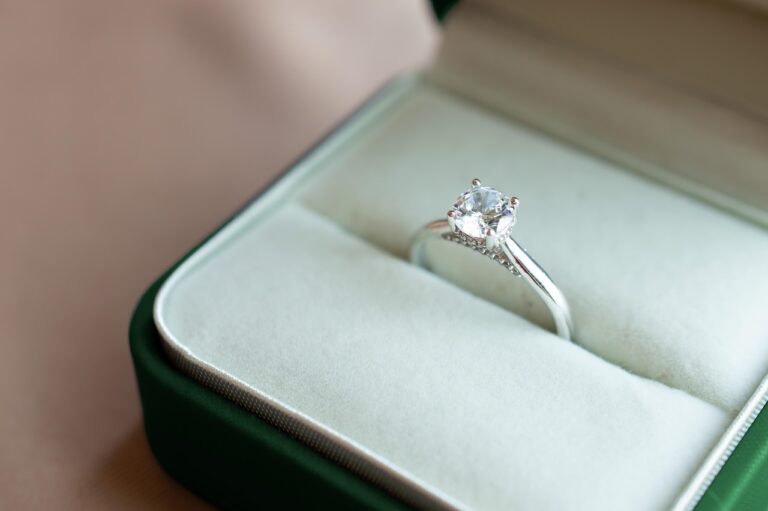
A two tone engagement ring (also called a mixed metal, bi-metal, or dual-tone engagement ring) is a ring made with two distinct metal colors in one design. The most recognizable look is a gold band paired with a white metal head or prongs, but two-tone can also mean alternating metal sections, mixed-metal halos, or design details that intentionally contrast.
The visual effect is the point: two metals create definition. A warmer band can feel classic and romantic, while a brighter head can emphasize the center stone and keep the overall look crisp. Many shoppers also love two-tone settings because they can bridge different style preferences—especially when one partner prefers yellow gold and the other gravitates toward white gold or platinum.
Turn wedding inspiration into a plan you can actually follow.
Zarellea brings your guest list, budget, vendors, and day-of details into one shared space — so no beautiful idea gets lost in the shuffle.
Common Two-Tone Metal Pairings—and How They Work
Two-tone designs often focus on contrast: a warmer metal for the shank (band) and a cooler metal for the prongs or setting. While there are many variations, most shoppers compare a few core pairings and then decide based on the look, how they plan to stack wedding bands, and how much contrast they want around the center stone.
Yellow Gold + White Gold
Yellow gold and white gold is one of the most classic two-tone combinations. The yellow gold band reads traditional and rich, while a white gold head or prongs keeps the center stone visually bright and “blended” into the diamond or light-colored stone. This pairing is especially common in designs where the shopper wants a yellow gold band but prefers the center stone to appear framed by a white metal.
Tip: If you love yellow gold but worry about the setting looking too warm against a bright center stone, consider a yellow band with white prongs. It’s a balanced, high-contrast look that feels easy to wear and straightforward to pair with many wedding band styles.
Rose Gold + White Gold
Rose gold and white gold creates a softer contrast than yellow-and-white, with a romantic, modern edge. Many shoppers choose this pairing when they want the ring to feel distinctive without leaning too bold. A rose gold band can add warmth and personality, while the white head/prongs can help keep the center stone looking crisp and luminous.
Tip: If you’re unsure whether rose gold is “too pink,” try it as the band with a white metal setting. This can keep the ring looking refined while still giving you that unmistakable blush tone in the overall silhouette.
Platinum + Gold (Any Color)
Platinum and gold two-tone rings are often chosen for the combination of contrast and confidence in the setting area. A platinum head or platinum prongs paired with a gold band (yellow or rose) is a popular approach in two-tone engagement ring settings because the white metal creates a clean visual around the stone and the gold band delivers warmth and tradition.
Tip: If you want a mixed-metal look but prefer the most visually “quiet” setting around a bright center stone, consider platinum prongs with a gold band. This approach is also commonly considered by shoppers who focus on long-term wear and the integrity of the prongs over time.
Design Options: Styles, Shapes, and Settings That Shine in Two-Tone
Two-tone engagement rings aren’t one style—they’re a design approach that can show up in everything from minimalist solitaires to ornate vintage-inspired designs. Many brands and retailers present two-tone as a filterable category because it can be applied across collections and setting types.
Classic Solitaires in Two-Tone
Two-tone solitaire settings are among the easiest to love and the easiest to style. The contrast can be subtle (a white head on a yellow band) or more pronounced (mixed-metal design details along the band). A two-tone solitaire is often the best entry point if you want a timeless ring with just enough differentiation to stand out.
- Clean contrast: A warm band paired with a bright head draws the eye to the center stone.
- Simple stacking: Solitaires often pair easily with wedding bands, including mixed-metal stacks.
- Flexible styling: The ring can coordinate with both yellow gold and white metal jewelry.
Three-Stone and Halo Two-Tone Rings
Two-tone designs can add dimension to more elaborate settings like three-stone rings and halos. In these styles, the metal contrast can help outline the setting architecture and create definition between the center stone and the surrounding stones. Shoppers often choose two-tone halo or two-tone three-stone designs when they want detail without committing to a fully ornate single-metal look.
Tips for evaluating this style: Pay attention to which part is white metal and which part is warm metal. A white halo can visually “lift” brightness around the center stone, while a warm band keeps the overall look grounded and classic.
Toi et Moi and Other Mixed-Style Two-Tone Designs
Editorial-inspired styles, including toi et moi rings, also translate beautifully into two-tone. A dual-stone design already makes a statement, and mixing metals can amplify the contrast while keeping the ring cohesive. For shoppers drawn to unique silhouettes—floral motifs, Art Deco influences, and vintage-inspired geometry—two-tone can provide structure and visual separation between design elements.
Tip: If you’re choosing a statement design, decide what you want to be the focal point: the stones, the setting detail, or the metal contrast. The best two-tone designs use contrast intentionally rather than adding a second metal “just because.”
Stone Options to Pair with Two-Tone Settings
Two-tone settings are popular with diamond shoppers, and they’re also frequently considered for alternative stone choices. Many buyers look for guidance on how metal color affects a stone’s appearance and how prong color can influence the overall look from the top view.
Diamond Brilliance with Platinum or White Metal Prongs
A common two-tone strategy is pairing a warm band with platinum prongs or a white gold head. The idea is straightforward: keep the visual around the diamond bright and neutral, while still enjoying the color and personality of yellow or rose gold on the band. This is one reason many two-tone ring designs focus the white metal on the prongs and the head—those elements sit closest to the center stone.
Tip: When comparing similar designs, ask to see a top-down view. In many two-tone engagement ring settings, the “face-up” look is influenced heavily by the head/prongs, while the band color becomes more noticeable from side angles.
Moissanite and Lab-Grown Diamond Two-Tone Rings
Two-tone settings are commonly offered across a range of center stone choices, including moissanite and lab-grown diamonds. Buyers who choose these stones often still want the same benefits: a bright, clean look around the stone combined with a warm band that fits their overall jewelry style. Two-tone can also support customization, letting you choose a setting configuration that complements the stone you select.
Tip: If customization is part of your plan, decide early whether you want the prongs to match the band or the center stone’s “bright” look. Many shoppers find that choosing prong color is the decision that most affects the final aesthetic.
Colored Stones for Colorful Two-Tone Rings
Colored stone engagement rings can be especially striking in a two-tone setting because you can use metal contrast to frame the color. A white metal head can keep the look crisp and structured, while a yellow or rose band can add warmth and a romantic feel. This approach is also a way to create a unique, personal look without relying solely on an intricate setting style.
Tip: For colored stones, consider whether you want the metal to echo the stone’s tone (a warmer band for a warm palette) or to create a deliberate contrast (a white head to emphasize clean edges and brightness).
Durability, Care, and Longevity of Two-Tone Rings
Two tone engagement rings are designed for everyday wear, but they do introduce a practical question: how do different metals wear together over time? Many pages that sell two-tone rings include general reassurance and brief care notes, but shoppers benefit from a clearer, more inspection-based approach: understand where the metals meet, which metal is used for the prongs, and how the finish will look after months and years of wear.
Caring for Gold and Platinum Combinations
If your ring combines gold with platinum or white gold, treat it like a fine piece of daily jewelry: keep it clean, protect it from hard knocks, and maintain the prongs. Because two-tone rings can include multiple finishes and junction points, it’s smart to keep routine maintenance simple and consistent, and to let a professional handle deeper polishing if you’re concerned about preserving the crisp contrast between metals.
- Clean gently and regularly so buildup doesn’t dull the contrast between metal colors.
- Pay extra attention to the head and prongs, since they hold the center stone.
- Remove the ring when appropriate to reduce avoidable wear, especially during hands-on activities.
Common Wear, Maintenance, and Repairs
Over time, the most noticeable changes in a two-tone ring tend to show up in high-contact areas like the bottom of the band and around the setting. The key is to keep the ring’s structure secure and the design looking intentional. Many two-tone shoppers also choose the style specifically because the band and head can be optimized for both look and function—warm metal for the band aesthetic and a bright metal for the center setting.
Tip: When you try on rings, run your eyes along the transition points where the metals meet. A well-executed two-tone design looks seamless, with the contrast feeling like part of the architecture rather than an afterthought.
Buyer’s Guide: How to Choose Your Two Tone Engagement Ring
Two-tone rings appeal to a wide range of shoppers—from those who want a timeless solitaire with a twist to those looking for intricate, editorial styles. The best way to choose is to work from a few practical factors: the look you want from the top view, the jewelry you already wear, your wedding band plans, and whether customization matters to you.
Start With the “Top View” vs. “Side View” Look
Many two-tone settings are designed so that the head/prongs are one metal and the band is another. That means the top view can read more “white” (because you mainly see the head and prongs), while the side view shows more of the warm band. Knowing which view matters most to you helps you decide where the contrast should live.
- If you want a bright, classic face-up look, prioritize white metal for the head and prongs.
- If you want the mixed-metal effect to be obvious at a glance, look for designs with visible contrast in the band or gallery.
- If you want subtlety, choose a design where the second metal is used mainly in functional areas (like prongs).
Plan for Your Wedding Band (and Future Stacks)
One of the biggest advantages of two tone engagement rings is pairing flexibility. A mixed-metal engagement ring can make it easier to wear a wedding band in either yellow gold, white gold, rose gold, or even a mixed-metal band without the set looking mismatched. If stacking is part of your long-term plan, choose a two-tone design that feels like a bridge between the metals you love most.
Tip: If you’re undecided on wedding band metal, a two-tone engagement ring can keep options open. Consider trying bands in both metal families next to the ring to see which combination feels most “you.”
Customization: What It Can Solve (and What to Decide Early)
Many retailers and brands highlight customization as a core way to shop two-tone. Customization can help you control the exact metal placement (band vs. head vs. accents), choose a style family (solitaire, halo, three-stone, toi et moi), and align the design with your center stone choice. The most important thing is to decide which elements must be which metal—especially the prongs and head—because that choice often defines the ring’s final character.
- Decide whether you want the prongs to be white metal for a bright, blended look around the stone.
- Choose how visible you want the second metal to be from the top view.
- Confirm whether you want two-tone to be structural (band + head) or decorative (accents and details).
Questions to Ask Your Jeweler Before You Buy
Two-tone rings are not inherently complicated, but you’ll get a better outcome if you ask a few direct questions. This helps ensure the ring is designed for everyday wear and that the contrast you love in the showroom translates to your real life.
- Which parts of the ring are each metal (band, head, prongs, halo, accents)?
- Can the ring be made with platinum prongs or a platinum head if desired?
- How should the ring be cleaned and maintained to preserve the two-tone contrast?
- What wedding band styles pair best with this specific two-tone setting?
- Is customization available if you want to adjust where the second metal appears?
Fashion and Symbolism: What Two-Tone Rings Communicate
Many shoppers are drawn to two-tone rings not just for practicality, but for what the design represents. The contrast between metals can symbolize unity, balance, and harmony—two distinct elements coming together as one. That meaning can feel especially personal for couples blending different tastes, family traditions, or aesthetic preferences.
Unity and Balance in a Single Design
Two-tone engagement rings can feel like a visual metaphor: different colors, one ring. Some people interpret the look as a modern twist on timeless jewelry—honoring tradition (classic gold) while embracing contemporary preferences (white metals and clean, bright settings). If meaning matters to you, two-tone can be a subtle way to tell a story without requiring a highly ornate design.
Tip: If symbolism is part of your decision, choose a two-tone design where both metals are clearly intentional and visible in the parts of the ring you’ll notice most often. That keeps the “two becoming one” feeling present in daily wear.
Gender-Neutral and Unisex Appeal
Mixed-metal designs can also read more neutral and versatile, especially for shoppers who want a ring that doesn’t feel strongly tied to one traditional metal preference. Because two-tone can be subtle or bold, it supports a wide range of personal styles—minimal, classic, editorial, or vintage-inspired—without forcing the wearer into a single “gold family.”
Gallery of Two-Tone Engagement Ring Inspirations (What to Look For)
Instead of focusing on one “best” ring, it helps to build a short list of design directions and then compare them side-by-side. Two-tone shows up across many collections and settings, so knowing the main inspiration categories makes shopping faster and more confident.
- Yellow band + white prongs solitaire: A timeless mixed-metal look with a bright, classic face-up view.
- Rose band + white head: Romantic and modern, with soft warmth balanced by a crisp setting.
- Platinum prongs + gold band: A high-contrast approach many shoppers associate with a confident, enduring setting style.
- Two-tone halo: A bright outline around the center stone paired with a warm band for depth.
- Two-tone three-stone: Contrast used to define the center and side stones, creating structure and dimension.
- Toi et moi two-tone: A statement silhouette amplified by mixed metals for extra visual interest.
- Vintage-inspired two-tone: Detailed design language paired with contrast to highlight the setting’s craftsmanship.
- Art Deco-inspired two-tone: Geometry and bold lines that benefit from crisp metal separation.
Tip: When you save inspiration images or try rings on, label what you like in plain terms: “white prongs,” “yellow band,” “visible two-tone from top,” “halo is white,” or “contrast is only on the side.” Those notes help you quickly narrow down settings that match your priorities.
Two-Tone Engagement Ring Shopping Tips (Quick, Practical, and High-Impact)
Two-tone shopping is easiest when you treat it like a set of small decisions rather than one big leap. These tips are meant to reduce overwhelm and help you compare rings that may look similar online but wear differently in real life.
Tip: Choose Your “Anchor Metal” First
Decide which metal you want to dominate the ring’s look—this is usually the band. If you already wear mostly yellow gold or mostly white metals, let that preference guide your anchor metal. The second metal can then be used strategically in the head, prongs, halo, or accents.
Tip: Be Specific About Where the Two-Tone Appears
Two-tone can be structural (band vs. head), decorative (accents), or both. If you want a subtle mixed-metal ring, choose a design where the contrast is concentrated in functional areas like the prongs. If you want a clear mixed-metal statement, look for designs where the second metal is visible in the band details or overall setting architecture.
Tip: Make Wedding Band Compatibility Part of the Try-On
Even if you’re not buying a wedding band today, treat compatibility as part of the engagement ring decision. Two tone engagement rings often make this easier, but specific settings can still influence how a band sits next to the ring. Ask to try on a few band styles in different metals to confirm the look you want.
Tip: Use a Shortlist, Not an Endless Scroll
Because so many catalogs offer two-tone filters, it’s easy to see hundreds of options and feel stuck. Create a shortlist of three to five ring styles (for example: two-tone solitaire, two-tone halo, two-tone three-stone) and compare only those categories until you feel clarity. Then refine by center stone shape, visible contrast, and customization options.
FAQ
What is a two tone engagement ring?
A two tone engagement ring is a ring that combines two distinct metal colors in one design, such as a yellow gold band with a white gold or platinum head and prongs. It’s also commonly called a mixed metal or bi-metal engagement ring.
Are two tone engagement rings durable for everyday wear?
Two-tone engagement rings are made for everyday wear, but durability depends on how the setting is constructed and how the prongs and head are designed. Pay special attention to the head and prongs since they secure the center stone, and follow a consistent care and maintenance routine.
What are the most popular metal combinations for two-tone rings?
Common pairings include yellow gold and white gold, rose gold and white gold, and platinum with gold (yellow or rose). Many shoppers choose a warm metal for the band and a white metal for the head or prongs to create contrast and keep the center stone looking bright.
Why do people choose white prongs with a yellow gold band?
White prongs on a yellow gold band are popular because they create a bright, clean look around the center stone while keeping the warmth of yellow gold on the band. This can make the diamond or light-colored stone appear visually crisp from the top view.
Are two tone engagement rings trendy or timeless?
Two-tone rings can be either, depending on the setting style you choose. A two-tone solitaire often reads timeless, while bolder designs like toi et moi, ornate halos, or vintage-inspired details can feel more fashion-forward while still benefiting from the contrast of mixed metals.
What gemstones work best with two tone engagement ring settings?
Two-tone settings are frequently chosen for diamonds and are also common for moissanite, lab-grown diamonds, and colored stones. Many buyers like using a white metal head or prongs to keep the area around the center stone bright, while choosing yellow or rose gold for the band to add warmth and personality.
Can I customize a two tone engagement ring?
Yes, customization is commonly offered for two-tone designs, allowing you to choose where each metal appears (such as the band, head, prongs, halo, or accents). Deciding early on prong and head metal is especially important because it strongly influences the ring’s overall look.
How do I care for a two tone engagement ring?
Keep the ring clean so buildup doesn’t reduce the visible contrast between metals, and focus on the head and prongs since they hold the center stone. For deeper polishing or if you’re concerned about maintaining crisp two-tone separation, ask a jeweler about professional cleaning and maintenance.
Do two tone engagement rings pair well with different wedding bands?
Two-tone engagement rings are often chosen specifically because they can pair well with a wider range of wedding band metals, including yellow gold, white gold, rose gold, or mixed-metal bands. The best match depends on the engagement ring’s shape and how the setting sits next to a band.